Tag Archive for: data center decommissioning

We live in an information age where the root of information can create an unprecedented amount of digital data. This deluge is not even close to seeing its end.

The International Data Corporation released a report showing that the digital universe is expanding at a rate of 40% every year. A large amount of the created data is generated and stored by companies through decommissioning data centers. IDC further states that companies’ consumers and employees create two-thirds of the data points.

Data can guide a business to optimum production and efficiency. It helps a firm fine-tune its daily operations, offer better services to its customers, and forecast business trends. But data also brings with it a great deal of responsibility. A company must consistently manage its data and destroy it properly to safeguard the privacy of its customers and employees.

Regulatory bodies have also tightened their compliance policies for corporations and decommissioning data centers, while legal fees and fines related to data breach non-compliance vary widely. Companies that are charged with data misuse as per the regulations should, therefore, be prepared to pay much more in courts. It is now, more than ever, critical to destroying data properly. CJD E-Cycling makes this easier than ever and will take care of everything for your organization.

Data Destruction
The act of destroying data is pretty straightforward. It is basically the process by which information is destroyed. Whether it is in digital form or paper, data destruction should be done per the industry-set compliance rules and best practice standards.

To securely destroy digital data, sensitive information is overwritten using random data, which renders the original data unreadable. Failure to securely erase data leads to heightened vulnerability to identity theft. A study carried out in 2015 shows that 48% of smartphones and 2nd-hand hard drives contained residual data with sensitive information, including photos and videos.

For larger organizations, the stakes are much higher. The privacy of at least 340,000 people was compromised when Affinity Health Plan, Inc. leased out computer hardware that was not properly sanitized. The company paid a whopping $1.2M in settlement for oversight with the Health and Human Services Department.

How to destroy data
Your organization must determine where all the data is stored and decide which data they would like to keep when decommissioning data centers. This can be achieved through establishing policies that require documents to be stored in a particular manner, such as on a specific server. Data is not destroyed if there is a copy of the documents in an employee’s flash drive.

When all the data has been stored correctly, and in the required format, you can use any of the following methods if relevant to your scenario while decommissioning data centers:

•Disposal

Disposal is dumping un-sanitized data. It should only include non-confidential information. Disposal is easy, for a physical hard drive, it only involves taking it to an electronics disposal site. Disposal does not involve any e-cycling of data storage equipment.

•Overwriting

Overwriting is one of the most common techniques of decommissioning data centers. It is also a great way to address data remnants (the residual data representations that remain after attempts to erase it). It involves overwriting the drive with new data. The storage media can then be used for other purposes, and hence e-cycling is possible.

According to experts, overwriting is a relatively low cost and easy option since it can be done by software and can be applied to the whole medium or selectively on the part of it.

One of the unique benefits of this technique is that when all data storage locations are addressed, a single pass is usually adequate for data destruction. Overwriting ensures that all data remnants are erased, therefore maintaining data security. It is also an environmentally friendly option, according to experts.

On the other hand, overwriting an entire high-capacity drive may take a long time to complete, especially when decommissioning data centers. The process might also not be able to clean out data from inaccessible folders such as host-protected locations. Furthermore, there is usually no security protection during an erasure process, and it could be vulnerable to intentional parameter changes.

•Degaussing

In the case that your company is destroying all the information from outdated hard disks or other magnetic storage devices, degaussing is an excellent option of decommissioning data centers. It involves magnetically erasing data by eradicating magnetic data fields on the disk media. It is a great option for firms that are decommissioning data centers.

Degaussing permanently renders the hard disks unusable, and hence it is essential to exclude the media with important data. With this method, e-cycling is not possible. It also works for cassettes, reels, diskettes, and cartridge tapes. The process might, however, leave small amounts of residual data in the hard drive and are therefore not always 100% effective. It is advisable to use strong degaussing magnets to ensure certain data is permanently destroyed.

On the flip side, strong degaussing products can be quite expensive. Furthermore, they can have magnetic fields that are strong enough to cause collateral damage to all vulnerable equipment in the surrounding area.

Degaussing is not the right method to use if you are planning on using your drives again. This is because manufacturers cannot fix drives or honor warranties as a result of degaussing incidents.

The effectiveness of degaussing primarily depends on the density of the drive. However, experts say that degaussing capabilities can diminish over time with the technology changes in hard drives and their small sizes. The effectiveness of the method also depends on the people carrying out the procedure. While all three techniques of data destruction are prone to human error, degaussing is particularly sensitive to the length of time and strength of the degaussers.

•Physical Destruction

There are several methods used by organizations in the physical decommissioning of data centers, such as melting, disk shredding, drilling drive cores, or any other physical damage that renders the media unusable.

Physical destruction offers the highest assurance that the data has been utterly destroyed. There is no possibility of someone reconstructing a melted disk.

On the other hand, physical destruction can be costly for firms with a lot of data to dispose of. There are high capital expenses in most physical destruction processes as they use machinery or hot furnaces.

According to experts, the physical destruction of data is not a financially sustainable strategy due to the expenses involved. Furthermore, the approach disregards most organizations’ sustainability programs. Even for companies decommissioning their data centers have to bear huge costs due to the number of devices they have.

A few companies such as Intel have, however, found a way to efficiently destroy their data physically since they found transporting drives for degaussing to be impractical and insecure.

Data Destruction Laws
Technology has dramatically evolved over recent years, and so has information. Governments must, in turn, adjust their regulations to the changing landscape. There are a number of federal and state laws that currently mandate that firms must adequately manage and destroy their data to protect employees and consumers.

•HIPAA

The Health Insurance Portability and Accountancy Act was introduced as the healthcare industry joined the digital era in both its administrative and clinical settings. The act protects the patient’s confidential records and directs their management.

Some of the destruction protocols in the HIPAA include:

Paper records should be burned, shredded, pulverized, or pulped until any information on them is rendered unobtainable and cannot in any way be reconstructed.

Opaque bags must be used to store a labeled prescription bottle until a disposal contractor properly destroys them.

Digital information must be destroyed using either overwriting software or degaussing techniques.

•The Computer Fraud and Abuse Act

The Computer Fraud Abuse Act was enacted in 1984 and has been amended six times now to adapt to data technology. The law basically prohibits anyone from accessing a computer without authorization. It was designed to punish hackers. The punishments can be quite severe, resulting in criminal convictions.

There are a handful of other acts, including the Sarbanes Oxley Act of 2002 and the Fair and Accurate Credit Transactions Act, that regulate the way data is disposed of or destroyed.

When to destroy data
Some of the reasons that drive organizations to erase their data may dictate when the process of decommissioning data centers should be complete.

Legal compliance
Professionals are required by the law to keep and destroy data in a particular manner. Such rules, depending on the industry and e-cycling, may require some data to be destroyed on specific timelines. Other industries are governed by best practices and other guidelines that protect customer data such as medical, insurance, and Cybersecurity.

Internal Policies
Your organization should have its own set of information retention and destruction protocols. These protocols should be based on already established organization regulations but should cement new policies with no previous guidelines. A data destruction protocol should be part of every organization’s business process and not just an afterthought. For instance, if there are no regulations about portable storage like USB flash drives, your organization risks compromising its employees’ and customers’ data.

Tips for Proper Data Destruction
Information is a double-edged sword; as valuable as it can be to your business by helping understand consumer trends, it can cost you dearly if mismanaged. The punishment could be hefty fines or even lawsuits, but perhaps the worst thing would be reputation damage.

Fortunately, there are easy and clear steps to keep your company data compliant.

•Establish a Data Decimation Policy

There is a need for formalized policies to manage the data destruction process. A firm must first clearly define which information it would like to keep. Not all the information is valued equally by the organization. Therefore it is essential for any firm to clearly identify the documents that should be included in the destruction process. When selecting the data that should be destroyed, a company should involve all the representatives of the company’s departments to ensure all the improvement opportunities and weak points are considered.

While it is advisable to create policies, enforcing them is just as important. You should periodically perform audits of the data destruction process and ensure that all the agreed requirements are being met.

•Digitize Records

Some companies are required by the law to keep hard copies of certain documents for a given period. These companies set e data retention schedules and have techniques for destroying paper documents securely.

However, in most firms, paperwork is unnecessary. It is easy for people to make a photocopy of the paper, and you would never tell until it is too late. No matter how meticulous a filing system is, the manager cannot tell when paperwork is missing or perform a fast audit.

Digitizing data has become a necessity for most firms in recent years. Data destruction software has also evolved to offer automatic data destruction processes. Managers can now easily manage the storage and destruction of sensitive data. The storage of data in the digital cloud also ensures that the e-cycling of storage media is possible.

•Take Advantage of Record Management Software

Record Management Software has been an excellent way for firms to protect e data through its whole lifecycle. By performing independent audits and automating processes, the software alerts the user when documents and e data have expired and need to be destroyed.

Retention of certain documents for longer than the law requires could result in fines. It is, therefore, crucial for companies to not only correctly destroy data but also to do so on time.

•Hire a Records Management Consultant

Regulations for data retention and destruction differ by state and by industry. To ensure that your firm stays compliant with the laws in your state, you should consider hiring the services of a records management consultant. The consultants can help you determine if your firm is storing and destroying data in compliance with the law to protect your company’s reputation.

•The cloud

There is a major concern among firms on how to integrate data destruction with the e-cloud. It is understandable, seeing as all companies are shifting their storage to the cloud. Without the physical storage, there is a lot of concern about data safety. In case you wish to get the services, review the cloud service provider’s policy on data destruction and integrity to ensure their services will comply.

•Train your employees

It is also an excellent idea to sensitize employees on the information and comprehensiveness policy. It is a powerful system to ensure that the employee and client data is not put in the risk of exposure. You can also teach your staff on the importance of following federal regulations as they are only trying to protect the economy from competition-sensitive information.

Whether your firm needs to have paperwork destroyed or e data, a destruction vendor could be a great option to keep your shelves clean. Before hiring a vendor, make sure that they meet all your company’s requirements and are qualified to offer protection to your employees and customers. If you are considering decommissioning data centers, it is also wise to consider hiring a data destruction vendor. For all of your e-cycling, data center decommissioning, and data center deconstructing needs, contact CJD E-Cycling.

Protect Your Business and Your Privacy by Following the Best Data Destruction Practices

There’s a reason why you rarely see bulky file cabinets being used in offices these days. With the advent of computers, portable storage devices, and in recent years, cloud computing, there is no more reason to rely on those old school file storage implements continually.

Still, storing your data electronically does come with a certain amount of risk. If sophisticated technicians decide to target you and the data in your possession, they can find some way in if you are not careful enough.

You can never be too safe with your electronic data, which is why you must handle it properly, even if you no longer need it. Improper data disposal can leave individuals and businesses vulnerable to attackers.

 That’s why you need to be aware of the data destruction methods available and also follow the best practices. Listed below are the methods and practices you need to know about. 

The Different Data Destruction Methods

 According to the Department of Education’s Privacy Technical Assistance Center (PTAC), the data destruction methods fall into three categories.

 The categories are clearing, purging, and destruction. 

Clearing Methods

With clearing methods, the data is erased with the aid of different programs. Clearing methods target the data inside the storage device and destroy them. By opting to go with a clearing method, you can destroy the data contained within the storage unit while still making the device usable in the future.

 Examples of clearing methods include:

  • Deleting data
  • Rewriting data
  • Wiping data
  • Reformatting the storage device

Purging Methods

The purging methods employed to destroy data are even more effective. When you’re purging data, you use a physical or logical technique to render the storage device unusable essentially. Purging methods of destruction are great if your only concern is wiping the data from existence. Still, you will want to use something else if you also want to preserve the storage device for future applications.

 Examples of purging methods include:

  • Degaussing

Destruction Methods

The destruction methods that can be used are permanent solutions that will help you feel more secure about the safety of sensitive information that could be pertaining to you or your business. You are now moving forward with destroying the storage device itself so that it can no longer be used in any way.

 Examples of destruction methods include:

  • Physical destruction
  • Shredding
  • Decommissioning data centers

The Best Data Destruction Practices

 Now that you know about the different ways to destroy data, attention can now be shifted to the best practices that must be employed before, during, and after the processes mentioned above. 

Determine How Long You Need to Hold Certain Types of Data

Businesses will come into possession of mountains of data over the course of its many years of operations. As the amount of data grows, businesses will have a harder time managing what they have at their disposal.

Having such a significant data surplus can be problematic when the time comes for disposal. Destroying so much information all at once can turn into an ordeal unto itself, thus requiring more resources.

It also becomes harder to sift through that much data thoroughly. There’s a non-zero chance that some crucial bits of information that are not supposed to be destroyed will end up getting lost in the shuffle, and that could be bad news for your business.

In order to prevent a situation in which your business has so much data that even processing all that information prior to destruction becomes difficult, you need to set specific guidelines. The guidelines can indicate how long certain files are to be kept within the databases.

Notably, you don’t have to set limits on all types of data currently in your company’s possession. You can earmark certain bits of data for preservation so that they are never at risk for being deleted or destroyed.

 For everything else, the established guidelines will govern them and ensure that your databases never become too disorganized. 

Educate Everyone in the Company about the Data Destruction Policies

After setting guidelines for when certain types of data are to be destroyed, you can start to focus on another important aspect of the process. Education is essential when it comes to destruction policies.

Considering the fact that different employees in your company will handle different types of data, it’s of the utmost importance that they know what to do at all times with the information in front of them. Yes, it’s always an option for them to ask around first before taking any action regarding data disposal, but that can effectively bog down company operations.

To keep things operating smoothly, it would be better if everyone already knew what to do with their data without having to check with anyone else in the company.

Discuss as many topics as possible during the teaching process. Include topics such as the basics of data disposal, to a specific method such as decommissioning data centers, and even other relevant matters, including e-cycling.

Do try to set realistic expectations, though. Mistakes are still likely going to be made on rare occasions. Nevertheless, if the teaching is done well, the errors pertaining to data retention and disposal can be significantly minimized. 

Choose the Appropriate Method of Data Destruction

As noted previously, there is more than one way for individuals and businesses to destroy the data they have, but the abundance of options available does beg an obvious question.

Which data destruction method is best for you or your company’s needs?

Your answer to that question will depend on the amount of data you want to destroy, the kind of data you want to destroy, and the resources you currently have available.

For those who cannot afford to let go of their storage devices due to monetary concerns, the clearing methods of data disposal will likely be the best fit. Those methods may not be as secure as the other options, but they will also not require users to acquire new storage devices.

The purging and destruction methods are better suited to those who are concerned about completely wiping data away above everything else. All traces of sensitive data can be removed if you opt for any of the purging and destruction methods. Just make sure that you have replacement devices ready to handle your immediate data storage needs.

It is important that before you settle on a data disposal method to use, you reflect on these things because its effects are irreversible. Consult with all the relevant people you need to in order to make the right decision. 

Be as Thorough as Possible with Your Data Destruction

Once you have settled on the data elimination method you want to use, the next thing you need to do is to follow through on the process correctly. That means being as thorough as you possibly can be when it comes time to destroy the data.

Being thorough in this scenario requires you to include all copies of data entries that are to be deleted. Scour your databases for the bits of information to be deleted and make sure that there are no copies that are left behind.

It’s also a good idea to check if any physical items are containing the data you want to destroy. Obviously, those need to be addressed during the destruction process too.

Any storage devices that you previously used to hold the data to be destroyed must also be processed. Tech experts may still be able to extract valuable information from them, thus necessitating their proper disposal.

Some of the data you are looking to delete may also exist in the databases of partner companies and vendors that you worked with in the past. Get in touch with them, too, and, if possible, ask them to participate in the data elimination process.

 You can never be too thorough with regards to protecting your privacy and your business. Avoid neglecting an important bit of information that could end up compromising your security later on. 

Keep Track of the Data Destruction Process

Regardless of whether you decided that decommissioning data centers is the way to go or simple erasure is what you need, you cannot overlook the importance of monitoring the process.

Even if you outlined how the process should go, there’s still a chance for miscommunications to take place, thus resulting in important data being left unaddressed. Suddenly, a big hole may open up in your security because something that was supposed to be deleted was instead left exposed to potential attackers.

There may also be times when the destruction process has to be halted for one reason or another. If you weren’t keeping track of its progress, some important items set for destruction might not be processed, and that is unacceptable. You can prevent that problem by keeping tabs on the process as it is being completed. 

Rely on the Pros

Tasks such as decommissioning data centers and degaussing are not simple ones that anyone can learn to do with a bit of research and training. These are highly technical processes that must be handled with the utmost care in order to be executed properly.

Anything less than that and you are risking a potential security breach.

You could very well have people on the payroll who already have experience handling tasks related to data disposal, but that is not true of every company. The good news for those companies who do not have the personnel needed to handle data elimination tasks is that there are businesses to hire that specialize in it.

Handling the data destruction process on your own is an option, but considering how much of your workforce you may need to devote to that task, you can easily argue that paying a third party company would be a wiser use of your available resources.

Plus, bringing a third party company on board means that you can ask for a certificate of destruction. That document will come in handy if you find something problematic about the way the company handled the destruction process. It’s additional protection that is always good to have. CJD E-Cycling offers on-site data destruction or services offered at their secure recycling facility.

Strongly Consider Decommissioning Data Centers if You Have a Larger Company

It’s only natural for some business owners to be hesitant to shut down their currently in-use data centers.

As highlighted by this article from Network World, all kinds of preparations need to be made ahead of decommissioning data centers. It’s also the kind of work that can force a company to spread its workforce too thin if it opts not to bring in a third party business.

On top of that, decommissioning data centers can be highly disruptive to company operations. In highly competitive industries, shutting down your business even just for a little while could wind up being very costly in the long run.

Even given the potential drawbacks that come with decommissioning data centers, it is still a move that companies need to consider if they want to protect themselves seriously. Data centers feature many moving parts, and if even just a few of them fall into the wrong hands, your company could be put into a tight spot.

Ask a third party company to handle the decommissioning to ease the workforce burden on your company.

 Short-term, the decision to move forward with decommissioning data centers can be taxing on your company, but guaranteeing your long-term security is well worth that. 

Don’t Forget about E-Cycling

Since the focus of this article is on destroying data and the devices designed to store all that information, it’s only natural to discuss the matter of waste and the importance of e-cycling. CJD E-Cycling has a handy list of accepted recycling items by group: electronics, metals, construction, and textiles, along with a list of non-accepted items.

For those unfamiliar with the term, e-cycling refers to repurposing old electronic equipment instead of just throwing them away.

Given that some destruction methods involve destroying the storage devices along with the data, e-cycling may not be an option in those scenarios. However, if e-cycling is possible, you should practice it.

Along with helping you save money, participating in e-cycling can also be beneficial in a more meaningful way. E-cycling can cut down on the amount of waste put out into the planet, and that is a huge plus. 

Conclusion

The importance of electronic data in this day and age cannot be overstated. For many companies, the customer data they have can be considered their most valuable assets.

As important as it is for businesses to acquire as much data as possible, it is similarly important for them to dispose of that information properly when they no longer need it. With methods such as erasing data, degaussing, and decommissioning data centers among those ones available, companies have no reason to handle the destruction process poorly.

Properly disposing of data is not just important for maintenance, but to protect individuals and businesses.

If your company has yet to sign up for professional data destruction services, now is the time to change that.

It is important to make every effort to avoid data breaches when it comes to getting rid of old hard drives in your offices. Although deleting the drives yourself may seem more cost-effective, you run the risk of maliciously accessing and using your data. Data destruction is the destroying of data stored on hard disks, tapes, and other types of electronic media such that the data are rendered totally unreadable, and inaccessible. Decommissioning data centers is a different, debatable topic. First, let us have a look at what is meant by data destruction and decommissioning data centers.

Data destruction

Data destruction, also known as data processing, refers to the electronic and automated data destruction process. The original document should be wholly unreadable or inaccessible after data destruction.

Data is found everywhere in this age of technology. Even a small business can create an immense amount of data that will ultimately become redundant or outdated. Information includes reports written out and saved by the staff over time. The method of deleting information is more complicated than you can imagine; however, it is vital to the security of businesses and best left to a specialist. The points below will make more transparent why a specialist should be chosen to do the deed.

· You are responsible for your data records – whatever happens, even after your facilities are abandoned. If your data end up in the wrong hands, you will have to reply for losses that may occur.
· Backups are included in our laptops, cell phones, and computers and even copy machines. Sometimes you do not realize that the data may have been backed up or preserved in some way until you delete a file.
· It is important to monitor documents and keep your customer information secure. To keep the client’s information safe and private, many companies require a proper law. However, there are other records that need to be held for shorter periods of time and must be destroyed to remain industry-compliant.
· Old data are always in danger of being retained, which leads to identity theft, fraud, and harm to your company’s reputation.
All of the above points elaborate that data destruction is very important, and it should be left to a specialist. The decommissioning of data centers is necessary to destroy confidential data for security purposes. Decommissioning data centers is as important as the security of data. Hiring a professional for this purpose leads to fewer errors in the crucial matter of data leakage or data destruction.

What is the data center?

Data centers are substantially consolidated sites for the collection of storing, sorting, the transmission of, and access to a large amount of data that are specialized in computing of networking equipment and that have been around since computers were first launched. During the time when early computers were placed in rooms, the room was called a data center. It was also known as a supercomputer. As the hardware became smaller and cheaper, and storing information needs began to increase, the network processing capacity also began to develop to keep data safe.

Because of this high time need, supercomputers were converted to data centers. The data centers are often referred to as data server farms. These can store data of websites, emails, messaging, computer backups, mobile backups, e-commerce transactions, online gaming community data, and many other things.

A data center is a conglomeration of elements, not a single thing. “Rechenzentren” at a minimum function as the central warehouses for any form of IT hardware such as servers, processing subsystems, network switches, routers and firewalls, cables, and physical cell racks for IT equipment. An appropriate facility such as energy distribution and supplementary power supply networks like electric switches, continuous power supplies, standby generators, etc., ventilation or data center cooling systems, such as computer air conditioning rooms and ample capacity to network providers, should also be accessible in a data center.

Good security and safety practices must also be incorporated in data centers. For example, the layout of doorways and access corridors, should facilitate the passage of massive, unworkable IT buildings and allow staff to restore the infrastructure. Another critical area is fire suspension; traditional sprinklers are avoided due to the widespread use of sensitive, energy-rich electrical and electronic appliances. Data centers use environmentally-friendly chemical fore suppressors that crave an oxygen fire, thus mitigating collateral damage to the system. As the data center is also a core business resource, robust security precautions, including badge entry and video surveillance, allow staff, vendors, and intruders to identify and avoid malfunctions.

Decommissioning Data Centers

Decommissioning data centers refers to the destruction of places or networks where data is saved or preserved. Removal is also a decommissioning from service. Advanced systems of machines have mechanisms of dismantling that aid in the process for a shutdown. Sometimes, every computer in your network is forced to say farewell. Decommissioning data centers in complicated and entangled, but by making a checklist, errors can be avoided. Your data center is not just a set of metal and plastic parts. All of your business servers are encased within the data center. The quality of hardware may differ, but the information that resides in these machines can last for a long time. This may jeopardize the company’s future, which is why decommissioning data centers is essential.

Our Data Center Decommissioning Services:

We offer several data center decommissioning services; some are listed below:

· Cataloging Inventory

We create our own log of inventory, so there is no confusion.

· Decommission unused IT Assets

Removing all equipment and cabinets so the material can be prepared for shipping.

· Cable removal/mining

We remove all cables as they can be fire hazards, and removal is part of the rental contract.

· Returning Leased Equipment

We prepare and return equipment to the lessor.

· Destruction of Data

Whether it be on-site or at our processing facility, we destroy all data-bearing assets.

· Asset Tracking and Shipping

We compare our inventory with the customer provided equipment list. Decommissioned data center assets are prepared, packed, and shipped.

· Refurbish, Resell, Recycle

Datacenter equipment is shipped to our facility, where it is either prepared to be resold or recycled. We also send any reusable servers or other data center equipment to another company-owned location for further use.


Methods of data destruction:

There are several methods of data destruction. Some of them are listed below.

· Shredding

Although useful for the removal of physical data by doing it yourself, it can be a complicated and long process. This is another explanation of why it may be faster and more efficient to use a clearing service to clear a space.

· Degaussing

Data can be deleted by extracting and increasing the magnetic field on either a data disk or drive using a device called a degausser. As they were built explicitly for this function, they are extremely effective.

· Hiring a professional

For your needs, a qualified clearance firm may apply the best approach. So long as a valid waste carrier’s license and a comprehensive audit trail of your products can be given, this will guarantee that your software destruction has been carried out correctly.

The reasons for data destruction:

There are many ways in which data destruction or decommissioning centers are beneficial for business as well as personal life. Hiring a professional company specialized in the correct disposal of electronic data storage media is the most secure method of hard drive destruction.

· It becomes recoverable

Criminals can quickly recover information from hard drives, even those that are slightly corrupted, and thrown away hard drives as well. Wiping information from a hard drive does not ensure that the data is completely removed. Using high-security information destruction devices, physical destruction is best to delete all data and render them unrecoverable easily. By decommissioning data centers, the information becomes unrecoverable, and the criminals or other hackers cannot retrieve them.

· It frees up space

Saving old hard drives may take up valuable office space or drive storage. Destroying these hard drives is not only time-consuming but also dangerous at times. To save money and quickly free up space, whether in your office or from the drive, a hard drive demolition can help. By demolishing data, free space can be used for new data security.

· It avoids amalgamation

Businesses pay substantial penalties if their data storage equipment is not properly disposed of. Any time there is a breach of protection, the company can end up losing thousands of dollars in fines. By using data destruction services, preventing such penalties is simple. When you delete or destroy old data from your hard drive, it avoids amalgamation from other data, as well. The mixing of data with each other can lead to big problems. Through data destruction, it becomes easier to manage a large amount of data.

· It enables safety by complete removal

A software destruction service will ensure the complete removal of all information on your data storage devices. We do this by using a high-security computer cutter to destroy the hard drives physically. This will make it possible to restore information on hard drives.

· It makes sure that the company is perfect

A professional software destruction firm is aware of data storage technology destruction legislation. Meeting these regulations is their responsibility and ensuring that your company is legal. It removes the fear of penalties and guarantees that your hard drives are appropriately disposed of in accordance with the laws related to electronic storage media.

Occasionally through human error and negligence, documents that were not meant to be erased are erased. Unfortunately, if a hard drive holding critical data is lost, recovering that information is very challenging. A successful tape backup system is the best option recommended by IT professionals. Human error can hardly be prevented, so an insurance policy is a must. Since records can be easily stored or restored in different backups, accidentally destroyed documents can be replaced quickly and easily. To be secure, companies can take steps to remove information from their hard drives before disposal.

Overwriting is a process as well, but it is not enough to do it once. Experts recommend utilizing specialized software to overwrite the drive at least three times. One method is degaussing the hard disk and backup tape and demagnetizing them. There are companies out there that can also carry out this function on-site. Eventually, shredding the drive and film is also an effective method. In such ways, the removal of data is essential for a company or business.

Things to keep in mind during data destruction:

· If communicating with third parties, draft agreements involving software deletion, including backups, duplicate records, and other versions if no longer necessary for their intended purpose.

· Shred the copy to destroy the files while processing hard copies like paper printouts, CDs, DVDs, and Blu-ray discs. In some situations, it may be appropriate to use pulverizers or incinerators. Remember that it is not illegal to reuse hard copies, e.g., use as scratch paper as long as they do not contain personal data.

· Data processing usually requires a process called digital sanitization when treating electronic copies. Clear deleting of information is not enough, as the data remains on the disk and still usable until it is re-written or overwritten for recovery. With digital sanitization, it becomes irreversibly lost. To carry it out, assistance is often needed.

·Sometimes it may be necessary to destroy the equipment physically. This often includes third party support and can be achieved on-site or off-site. It is preferable to allow the person in charge of the disposal to verify in case of an agency or corporation that data destruction has properly been carried out.

This article elaborated on the importance of data privacy along with the significance of its destruction and the methods of its disposal. Different kinds of data are essential in business or personal life. The benefits of data destruction and techniques are discussed above for a company or an individual’s interests. Saying goodbye to the data is hard, but sometimes it becomes necessary due to the privacy factor. Understanding all the critical elements of data destruction is very important before allowing software or an individual to destroy the data.

The advent of the information age has brought about numerous advancements that have improved human lives significantly.

New products and technologies are coming out left and right and they have forever changed the way people handle different aspects of their daily lives. Everything from the way people communicate to the manner in which they work has been altered in some form or fashion by technological innovations.

There’s no denying that humanity is better off thanks to its many advancements, but bundled together with the benefits are challenges and problems that must be dealt with properly.

In this article, you will be able to learn more about some of the challenges that have emerged due in large part to the dawning of the information age. To be more specific, you’ll be able to understand more about data and how disposing of it can be an ordeal unto itself because of the electronic components involved.

Data destruction and decommissioning data centers are particular topics that will be discussed.

Later on, some solutions to the problems that stem from reliance on electronics will also be presented.

Let’s get started.

What Is Data Destruction?

Deleting data is something you probably do on a regular basis. When your smartphone is running low on space, you likely go into your gallery and see if there are some pictures you can delete. If there’s still not enough space available, you may check out your file library and see if there are podcasts there that you can erase.

At this point, the deleted files will no longer show up on your phone, but they have not been completely wiped away. Backups of the files in question were likely created previously and by following specific steps and/or using certain types of software, it may still be possible to retrieve the deleted files.

The point here is that deleting a file does not mean that it is completely gone for good.

You will need to do something more drastic such as destroying your data. Unlike with simple deletion, destroying your data means that your files will no longer be accessible or readable. They will essentially be wiped away.

Why Is Data Destruction Necessary?

For those wondering why it may be necessary to carry out a process such as data deletion, the main reason is security.  

Some people use their computers to store sensitive financial information or info about their identity. If you’re one of those people, you probably don’t want anyone snooping around your discarded belongings to gain access to those important pieces of information.

Data destruction ensures that all of those bits of personal information will be destroyed along with your computer or even your smartphone.

Companies also make use of data destruction methods often to protect themselves. Corporate espionage is still a concern for many businesses, especially those in highly competitive industries.

By destroying data, companies don’t have to worry about their databases being compromised by some rogue ex-employees.

How Is Data Destruction Carried Out?

There are different methods of data destruction available to individuals and companies and they are:

  • Overwriting data
  • Degaussing
  • Physically destroying data storage units

The first method, overwriting data, works by essentially using up the space previously occupied by old data to hold new bits of information.

White Canyon Software notes that the method is similar to how people could basically create a new VHS tape by recording over the content the tape previously stored back in the day.

Simply overwriting data once should suffice, but in corporate settings, companies may opt to do it more times to ensure that the old data are gone for good.

Degaussing is another method often used for the purposes of destroying data. This method features the use of magnets. The magnets are used to destroy the storage unit housing the targeted data.

Going with this method can effectively ensure that the target data will no longer be readable or accessible, but it also means that the storage unit or hard drive itself will not be used moving forward. If all you want to accomplish is to destroy the data by any means, this method should work for you.

The last way to completely wipe data is to physically destroy the unit housing the bits of information. Various methods can be used to destroy a data storage unit. It’s important to be as thorough as possible to guarantee that the data will no longer be accessible.

Again, there are valid reasons why people or companies may want to destroy their data, but it is important to point out that there are some issues with the methods that are used. Namely, degaussing and physically destroying the storage units can produce electronic waste that will be difficult to dispose of properly on your own.

Why Is Decommissioning Data Centers Important?

Data centers are crucial to the day-to-day operations of many businesses. Bigger companies in particular usually have to work with mountains of data regularly. Understandably, they want to have all that data secured in a protected space and that’s where the data center comes in.

Companies have to create detailed plans regarding their data centers because they must be kept in a controlled and highly secured location. There’s also a constant need on the part of companies to keep their data centers up to date. For all those reasons, companies have to invest heavily in their data centers so that they can continue to be assets that provide useful benefits.

So, why then would companies ever consider decommissioning data centers?

Well, there are actually some good reasons for them to do so, as pointed out by Preferred Power Source.

One reason is that companies can improve their performance by decommissioning their data centers.

There is often a limit placed on how much electronic equipment can be upgraded. As soon as that limit is reached, holding on to and maintaining the pieces of equipment in the data no longer makes sense. They may even actively hold a company’s performance back if they continue to be used.

Running an old data center stocked with outdated equipment and a new one with more modern machinery simultaneously is not a good way of conducting business for any company. For that reason, companies simply opt to cut their losses and shut down the older facility.

Decommissioning data centers also benefit companies from a security standpoint.

When it comes to electronic equipment, items that have become outdated almost immediately become more vulnerable to security breaches. That’s just how things work.

By continuing to rely on those older electronics to house their data, companies are taking a huge risk. Bad actors with more sophisticated tools could enter a company’s database and steal valuable bits of information without ever being detected.

To put it simply, using old equipment in data centers is unwise for companies. Instead of stubbornly continuing to rely on them, the better move is to invest in decommissioning data centers that have become obsolete.

Also, it is absolutely essential for companies to move forward with decommissioning data centers. Refraining from using them any longer is not enough. Those items may still be holding on to data that your company uses. They cannot just be shut down and left alone.

Pieces of data center equipment that are no longer used must be correctly disposed of and the data they’re holding properly destroyed. Otherwise, they can still be points of vulnerability for a company.

Decommissioning data centers also benefit companies because it helps them recoup some of their initial investment. Professionals working on the task of decommissioning will be able to identify equipment that can still be of service to the companies. The companies can then go ahead and continue using them in their upgraded data centers.

It’s often true that decommissioning data centers will not allow companies to get back the majority or even just half of their initial investment, but doing so can still make it possible for them to save some money.

To recap, decommissioning data centers is a good move for companies because:

  • It improves their performance in the long run
  • It enhances security
  • It makes it possible to recoup some of the initial investment

How Is Decommissioning Data Centers Done?

There are several steps involved in the decommissioning process, according to Network World.

Companies can start by hiring professionals to handle the task of decommissioning. After that, the professionals will usually do an inventory of the assets present in the data center and map dependencies.

Conducting inventory is an important step because it enables companies to identify any assets that may still be of use to them. It also lets them know which specific pieces of equipment need to be replaced once the new data center is up and running.

Mapping the dependencies in the older data center can also turn out to be useful as it gives companies a better idea of how to improve upon their previous facility

The process of decommissioning also typically involves removing the contents of the data center and destroying data that companies no longer need. That’s not all however.

Properly recycling the pieces of electronic equipment is also a must and that is easier said than done.

The Importance of E-cycling

Whether a company asks for data to be destroyed or for a data center to be decommissioned, there will likely be electronic waste produced at some point. Just as people are urged to recycle the waste they produce at home, companies and individuals alike are also encouraged to take part in the process of e-cycling when handling their older electronics.

Recycling and e-cycling are basically the same thing, except the latter is focused more on electronic items.

The need for people to recycle their electronic goods has never been more important. Many people may not be aware of this, but the rate at which electronic waste is being generated is already staggering.

Per this article from The Balance Small Business, around 41.8 million tons of electronic waste was produced worldwide in 2014. That’s a big problem for a few reasons.

First off, generating that much waste means that resources are not being utilized properly. By simply failing to recycle cell phones, estimates suggest that Americans get rid of around $60 million worth of silver and gold annually.

Recycling older laptops can also help significantly cut down on energy consumption. Specifically, recycling even just one million laptops could conserve enough energy that can then be used to power up more than 3600 homes in the United States alone.

Failing to recycle electronics in the right way is also having a real impact on the environment. Apart from contributing to the increased amount of hazardous materials in landfills, not recycling electronic goods also leads to increased consumption of natural resources that could have been used in other ways.

Soon enough, health problems may also emerge from the excessive amount of electronic waste being produced.

The amount of electronic waste present in the world can no longer be ignored. The issue of electronic waste must be addressed as soon as possible. You can do your part by making e-cycling a part of your waste disposal routine.

Why E-cycling Is Best Left to the Professionals

Similar to data destruction and decommissioning, e-cycling is something that you will be better off leaving up to the professionals.

They can quickly identify the electronic components that may still be of use to your or your company, thus saving plenty of time and money. Companies that specialize in handling electronic waste may also be able to offer supplemental services such as data destruction that you may end up needing.

On top of all that, entrusting your electronic waste recycling needs to the professionals is also a good move because it saves you from the task of navigating specific laws. According to How Stuff Works, laws governing the disposal of electronic waste can vary from one state to another.

You could get in trouble for breaking the law even if you unwittingly did so. It’s better to err on the side of caution and simply call on the professionals to take care of e-cycling for you or your company. The fees that come from doing so are small prices to pay in exchange for knowing that your electronic waste is being handled responsibly and correctly.

Conclusion

Data destruction, decommissioning data centers, and e-cycling can all be complex tasks, but they are necessary for your security, the health of your finances, and the wellbeing of the planet. It’s understandable if you are hesitant to invest in those practices at first, but they can be immensely beneficial in the long run. Contact CJD with any questions you may have or to learn more about our services.

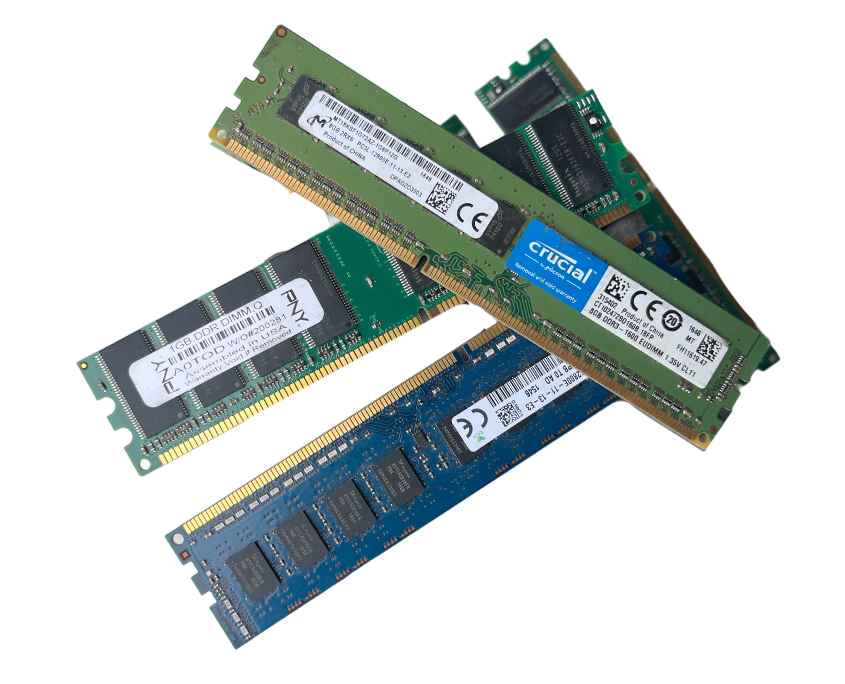
Circuitboards 0000s 0000s 0021 Gold Connector

Circuitboards 0000s 0000s 0020 Gold Memory

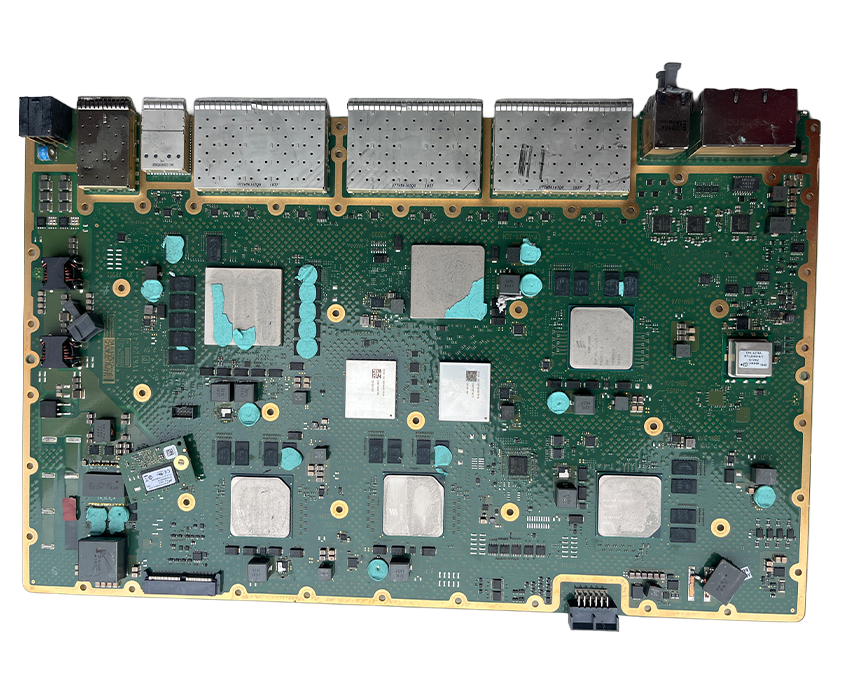
Circuitboards 0000s 0000s 0019 Hard Drive Boards

Circuitboards 0000s 0000s 0018 High Grade Boards No Fe

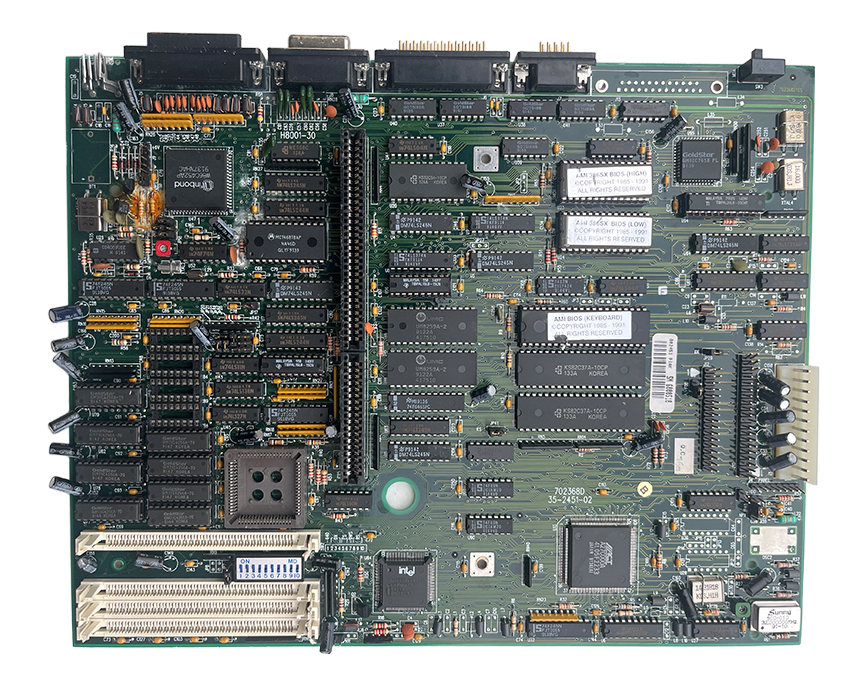
Circuitboards 0000s 0000s 0017 High Grade Motherboard P1p3

Circuitboards 0000s 0000s 0016 High Mid Grade Boards

Circuitboards 0000s 0000s 0015 High Pci Card

Circuitboards 0000s 0000s 0014 High Power Board

Circuitboards 0000s 0000s 0013 Iseries Motherboards

Circuitboards 0000s 0000s 0012 Iseries Network

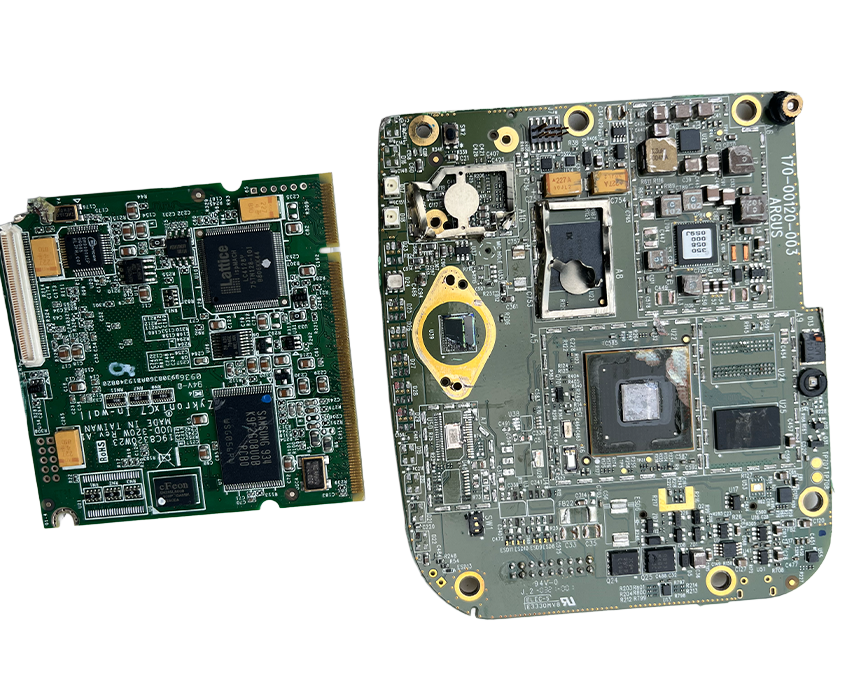
Circuitboards 0000s 0000s 0011 Laptop Motherboard

Circuitboards 0000s 0000s 0010 Low Grade Board

Circuitboards 0000s 0000s 0009 Low Grade Motherboard

Circuitboards 0000s 0000s 0008 Low Mid Grade Boards

Circuitboards 0000s 0000s 0007 Mid Network Boards

Circuitboards 0000s 0000s 0006 Mid Grade Board

Circuitboards 0000s 0000s 0005 P4 Low Grade Board

Circuitboards 0000s 0000s 0004 P4 Motherboard

Circuitboards 0000s 0000s 0003 Power Board Green

Circuitboards 0000s 0000s 0002 Power Board Brown

Circuitboards 0000s 0000s 0001 Rambus Memory

Circuitboards 0000s 0000s 0000 Silver Memory