Tag Archive for: copper

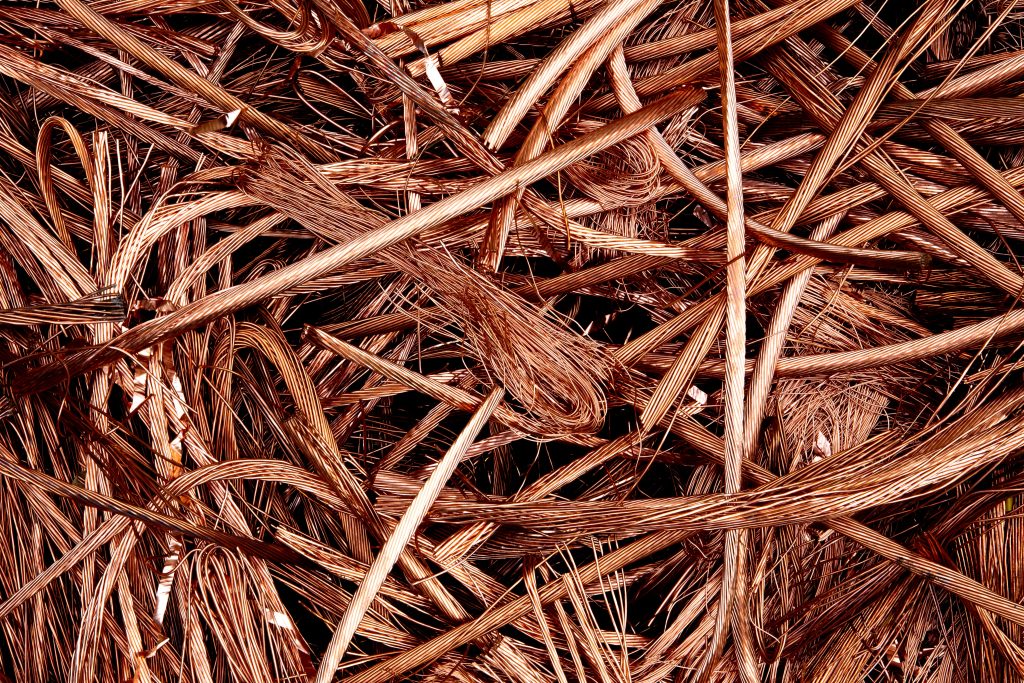
A tangle of wires for copper wire recycling

One of the largest industries in the world is scrap metal recycling. Recycling copper wire or any other copper scrap is part of the restore, renew, and recycle culture that is a fast-growing practice in most communities. Like with every kind of recycling, there is a procedure you need to follow when planning to recycle copper scrap.

You cannot just pack it all up in a bundle and drop it off at your nearest copper recycling center. You will need to know the different available scrap metals before you embark on copper recycling. This knowledge is essential as it will help you understand how to separate your metals. Do some research and learn how to differentiate metals if you do not have that knowledge.

Recycling ensures that products that would otherwise be thrown away and left to go to waste are repurposed. It is essential to recycle to avoid a lot of waste being dumped in landfills, prevent pollution, and reduce the demand for raw materials. Recycling is environmentally friendly, and it increases economic security. Therefore, if you have any copper scrap, find the nearest copper recycling center and have them recycle your copper waste. A considerable percentage of the copper being used today has been repurposed and recycled. This is good for the environment and the economy.

There are different kinds of copper, and they are categorized as either copper cable or copper metal. Copper recycling does not alter the quality of the metal. Listed below are some of the different kinds of copper scrap.

  • Bare bright copper
  • No. 1 copper
  • No. 2 copper
  • Sheet copper
  • Insulated copper No. 1
  • Insulated copper No. 2
  • Miscellaneous computer wire
  • Low-grade wire
  • Alternator
  • Starters
  • Sealed units
  • Ballasts
  • Transformers

Different Scrap Copper Types

If you plan on copper recycling, you need to find the nearest copper recycling center and inquire about what copper scrap they accept — not all facilities accept all types. When you take in your copper scrap, how much you are paid is dependent on the copper’s grade. Different grades have different pricing points. So, to get an accurate quote, ensure that you have grouped your copper into the different types.

You should note that different copper recycling centers price the scrap differently. Therefore, the prices may vary. If you want to make sure you’re getting the most out of your old copper, you could check all the nearest copper recycling centers and compare the prices. To get a better idea of what you might bring to those facilities, listed below are some scrap copper types.

Bare Bright Copper

Bare bright copper is the most valuable type of scrap copper. The bare bright copper wire is solid and clean. If the copper wire ever had rubber, plastic, or insulation attached to it, they have been long since removed. There are no signs of oils or heavy oxidation on the wire. It would be best if you separated it from any other copper you may have. You will make more money at a copper recycling center when you take the bare bright copper wire for recycling.

No. 1 Copper

No. 1 copper is similar to the bare bright copper wire. It is clean of any impurities such as plastic, steel, tin, solder, or brass fittings. Copper tubing that’s usually used for electrical systems, cooling systems in radiators, and plumbing fixtures is often this type of copper. No. 1 copper tubing should be kept separate from other copper scraps that have different materials attached.

If you have roofing copper that is clean of paint or tar and has not been applied, it can also be considered No. 1 copper. 

No. 2 Copper

Once you have sorted out your No. 1 copper, you need to look at what is left — pieces that have heavy oxidation, brass fittings, solder, or paint attached. This is what you separate as No. 2 copper. The price of your No. 2 copper is below that of No. 1 copper.

Copper pipes that may have been used with chemicals or contain oil residue may also be categorized as No. 2 copper. However, they are usually separately sorted and often take longer to process due to the high impurities attached to them.

Some pieces of copper that would otherwise be considered No. 2, like a pipe with a joint soldered on, can be cut into pieces so that one piece is pure No. 1 copper and the other piece containing the impurity is No. 2 copper. Plumbers and contractors can make a lot of money out of leftover copper piping from plumbing fixtures, provided they know how to cut the solder and brass fittings off the copper tubing end. 

Insulated Copper Wire and Cable

There are various types of insulated copper wire and cable. They can be found in multiple places, including computer appliances, cars, and homes. Oftentimes, you can recycle insulated wire without stripping it first, since recycling centers have special machines for this purpose. If instead you choose to strip the wire yourself to get a better price, make sure to be careful and do it as safely as possible. There is a No. 1 insulated wire and a No. 2 insulated wire.

No. 1 insulated wire often covers uncoated, unalloyed, untinned, and clean copper wires. The insulation usually does not need to be stripped when giving them up for copper wire recycling, but you should always check with your local copper recycling center for more specific requirements regarding gauge thickness and insulation type.

No. 2 insulated wire is made up of unalloyed copper wires smaller than 16 gage with a copper recovery rate of 55 to 69 percent. Electronic wirings and extension cords often fall under this category. No. 2 insulated wires often have nickel and tin coating. 

Copper Wire Recycling

Copper wire recycling is an essential component of copper recycling. You may have a copper wire lying around in your house, and you think it has no use or value. On the contrary, it has monetary value to you. As mentioned earlier, copper ore is scarce, so more people must embrace copper reprocessing. You can monetize the copper wires in your home that you find useless through copper wire recycling. Find the nearest copper reprocessing center, and drop off your copper wires to take advantage of this opportunity.

In the same vein, don’t throw away any materials with copper in the trash. They will most likely end up at a landfill, which is not suitable for the environment. Instead of adding to all the waste in landfills, you can ensure that you make the environment better by embracing copper wiring recycling. If the potential earnings don’t sway you to gather up your old wires and drop them off at your nearest copper recycling center, hopefully the environmental argument will. Get in touch with the nearest copper reprocessing center and let them know you would like more information about recycling with them. They will be more than happy to help. Listed are tips on copper wire recycling.

  • Copper wires are often found inside insulated cables, and if you don’t feel comfortable stripping the insulation yourself, the nearest copper recycling center you contact will have special machinery to do it for you.
  • If you choose to strip the insulated cables, leave them out in the sun for a few hours. This ensures that the insulation softens as it is warmed, which makes your work easier.
  • Make sure you have the right tools to do the job if you decide to do it yourself. A knife might do the job, but it’s not safe. Wearing gloves is a good idea any time you’re working with wire.

You might be all in on copper wire recycling, but before you start a big wire stripping project, make sure the wire is worth all the trouble. Larger wires are better for copper wire recycling, since they have more copper in their center, and they are easier to strip. However, this does not mean that you should ignore smaller wires for copper wire recycling. Don’t waste your time striping the smaller wires, but do set them apart. They are still viable for copper wire recycling. Below are examples of the different copper wires.

  • 500+ MCM cabling is typically used in heavy-duty electricity transport. It is relatively easy to strip and is more likely to bring you money.
  • 250 to 500 MCM cabling is also fairly easy to strip since it is relatively thick. However, you need to ensure that it is not aluminum.
  • A spaghetti wire is the type you are most probably familiar with — they’re found in the majority of electrical components. This type of wire is smaller, making it more cumbersome to strip compared to larger wires, so you can give it up for copper wire recycling as it is.

Before you start stripping wires, contact the nearest copper reprocessing center and inquire about copper wire recycling. Ask about how they price the wires, how insulation might affect the price, and any other questions you might have about copper wire recycling. If they do not pay or you are not going to get much money out of it, you can still find comfort that you are making the environment a better place.

Importance of Copper Recycling

Copper is one of the most valued metals in the scrap metal industry. As mentioned earlier, copper can be found in everyday things such as your bathroom’s piping, car’s engine, and the electric wiring in your house. This wide variety of common uses means that copper is always in high demand, but obtaining raw copper ore through mining is an expensive and cumbersome process that’s not particularly environmentally friendly. Therefore, copper recycling is more cost-effective, energy-saving, and also environmentally conscious. Discussed below are two main benefits of copper recycling.

Economic Importance of Copper Recycling

As previously noted, copper reprocessing ensures an increase in economic security. Copper mining is quite costly, so it makes more financial sense to recycle it. The perks of recycling copper are that it degrades very little in value, and the extra cost that would have been used to mine it in its natural form is saved. When this process is effectively utilized, tons of copper can be repurposed. Most of the recycled copper scrap comes from consumer scraps such as plumbing tubes, radiators, and electrical cables.

On a smaller scale, recycling any old copper wiring you have laying around can put a little extra money in your pocket, and that’s always welcome.

Environmental Importance of Copper Recycling

Copper reprocessing has significant benefits to the environment, including the conservation of natural resources, saving energy that would have been used in processing raw copper, and solid waste diversion.

Processing raw copper requires a lot of energy compared to the energy used in copper reprocessing. Copper is a non-renewable resource in terms of conservation. Initiatives to recycle electronics cover the increasing electrical product production rate that requires copper.

As addressed above, it is essential to join the recycling movement to help better our planet. Copper is quite durable, and while the copper wires in your home may not be serving you in any way, they could be of great use if you dropped them off for copper wire recycling. They can be repurposed and reused for other essential functions.

You also need to ensure that you give the copper to an organization or dealer that is reliable. Do some digging and contact a local recycling team to inquire about whether they recycle copper. Make sure to ask plenty of questions about pricing, sorting, and anything else you’re curious about.

If you need more information about copper wire recycling, contact the nearest copper reprocessing center, and they will give you all the information you need. Do your research and choose to recycle every day to ensure you are doing your part in keeping the environment safe. And in copper’s case, you might even get a little bonus spending money on top of your environmental good deed.

Copper Recycling: A Valuable Waste Reducing Method

We only have a limited amount of materials on this planet. We use things at an alarming rate, and it isn’t slowing down any time soon. Even things that we take for granted every day could end up becoming a rare commodity if we aren’t careful. This includes something as simple as copper.

Copper is a metal used in a lot of everyday products, such as wire and jewelry. As mentioned, we only have a certain amount of copper in the world. For that reason, many establishments have been developed to reuse unwanted copper into something new.

Recycling is a much more environmentally friendly process than mining new copper. It’s also a way for people to make money.

Gathering up copper and selling the scrap metal may be a way for someone to make some extra money. In order to do this, it’s important to separate the copper from other metals. It’s also important to separate the copper itself as there are different grades of copper which will be explained later. Then the recycling plant, such as CJD E-Cycling, can go about getting it ready for its next use.

Here is everything you need to know about copper recycling.

About Copper

Copper is a type of metal. It is used in wiring, motors, plumbing, machinery, roofing, and a number of other things.

Copper is a non-ferrous metal. That means that it does not contain iron. Metals without iron are typically more expensive than ferrous metals with iron. If you aren’t sure if the object you’re looking at is made of ferrous or non-ferrous metal, use the magnet test. If the magnet sticks to the object, it contains iron. Brass, aluminum, and stainless steel are examples of other non-ferrous metals. Ferrous metals include steel, iron, and titanium. This will be important in copper recycling later when you need to separate your materials.

Copper is also particularly good at conducting electricity. Silver is the only other material in the world with higher conductive properties. That’s why copper is used in so many wires today. It’s important for electricians when they create electric lines. It’s also important for construction workers when they build around electric lines.

History of Copper

The first copper jewelry was found in the Middle East. It is thought to be from about 87,000 BC. Ever since then, the material has been used in numerous other ways, especially construction. In fact, it was used in buildings instead of rock as early as 8000 BC. Soon after that in 4000 BC, people in ancient Egypt were melting the copper down to mold it into shapes. When people learned how to use this technology in more practical ways, it lead to a whole new era known as the Bronze Age.

Copper was found all over the ancient world. Ancient Romans found most of their copper on the island of Cypress. It was originally called the “metal of Cypress” in Roman before gradually getting the name we know today.

Copper is naturally found all around the world. Ever since ancient times, people have seen the capabilities of copper recycling. There is evidence that even ancient civilizations reused copper. 

Copper in the United States

Copper is one of the items that we in the United States largely produce for ourselves. We are the second largest manufacturer of copper behind China, so we get to sell it to other countries, too. In fact, 8% of the copper in the world comes from the United States. Of course, a lot of this comes from copper recycling.

In the United States, we have more than 1.5 metric tons of copper. It is located mostly in the American West, particularly in the following states:

  • Arizona
  • Montana
  • Nevada
  • New Mexico
  • Utah

 We are mostly keeping these copper reserves for future use. Rather than mining more copper, we are utilizing copper recycling methods to help produce like-new copper in the easiest, cheapest, and most environmentally-friendly way. 

Reasons to Recycle Copper

There is a good chance that the copper items in your home were actually once a much different object before the copper was reused and for good reason! It’s an easy item to reuse and recycle, and it’s helpful to do so.

 There are a number of reasons that we use copper recycling instead of mining new copper. One of the main reasons is that it takes about 90% less energy to recycle copper than to mine it. When we use less energy, we are putting less pollution into the air. Mining uses valuable resources, creates a lot of pollution, and it costs a lot more money. The cost of mining is extreme, so reusing the copper we have already procured keeps manufacturing low and retail costs low.

 Also, copper is non-renewable. That means that when we use up all the copper available, there won’t be any left. That sounds scary, but the good news is that we’ve only depleted about 12% of the world’s copper supply so far. The good news continues, because copper is a great metal to be reused and recycled, so the copper levels won’t deplete very quickly as long as we continue copper recycling.

 Finally, people can make money from recycling. Copper is one of the most lucrative materials for people who collect scrap metal to sell under brass. In fact, it maintains about 90% of its original value in ideal cases. That brings it to about $2 – $4 per pound of copper. It’s also relatively easy to find this metal. If you want to take advantage of the opportunities, you need to know where to find copper.  

Where to Find Copper

One of the best places to find copper is on a construction site. Houses use a lot of copper. Look through the trash on a construction site for any copper that might have been accidentally discarded. There’s usually plenty of copper wire. There’s also copper in fittings, valves, and other hardware. You may also find trace amounts of copper in a number of appliances in your home.

It’s best to gather up the copper you gather into one large pile until you are ready to make a large trip to the recycling center. If you make several trips, you will end up paying more money in gas. You’ll also be putting more toxins in the air by driving more.

Separating Copper For Recycling

Everyone knows that you have to separate materials before going to the recycling center. However, you have to separate the different types of copper as well. You may think that all copper is the same, but that’s not the case. Here are the different types of copper to separate.

– #1 copper

This is the most expensive copper since it is in the best condition. It does not have any insulation on it, and it doesn’t have any oxidization or oil on the material. Many people will strip all insulation away from the pure copper. If you do not want to strip the wires beforehand, the wires should also be separated by itself into another pile.

– #2 copper

This is the second level down from #1 copper. It may have some imperfections to it, causing it to be more complicated to clean and recycle. Copper pipes with oil or residue on it are examples of #2 copper. This means that you will get a lower price for this copper.

– #3 (roofing) copper

Roofs go through a beating during their lifetime. Even the installation process covers the copper roofing material in tar and paint that might still be there when you’re ready to get rid of it. That’s not to mention all of the dirt and grime that will find its way on the roof as well.

– copper wiring

If you don’t know how to strip the insulation off copper wiring (or don’t want to) it will go in this final and least expensive category. It’s best to avoid stripping any wire, less than the width of your pinky.

 If you don’t know how to separate your copper properly, the people at an e-waste recycling center can answer any questions you have. The more you do it, the more you will learn. The more you learn, the more money you will make when you sell your scrap metal. The better scrap metal is separated, the easier it will be for the recycling center. That means that they will pay you more. 

How Copper is Recycled

Copper recycling is a very detailed process. There are variations depending on the copper being recycled, but it generally goes through the same process.

 First, copper is put through an assembly line that breaks down the copper to very small pieces that separates the pure copper from any insulation or any other objects it’s combined with. There are also times when copper is mixed in with other materials, such as lead or tin. Copper recycling processes may skip the refining process and keep the materials together if it will cost more money to separate the materials than to keep them combined. If you have any questions on what will happen with your scraps, ask the people at the e-waste recycling center.

 After all insulation and other materials are separated from the copper, the copper is put through a grueling process. It goes through a screener that examines the quality. It is then put through a density separator to divide them even further. It then goes through an inspection. This copper is finally taken to the final stage of the process where it is turned into 5/16 rods. These rods are then used to make whatever products are in demand. It will be back in the store on the shelf with no sign of it being recycled except maybe a sticker on the packaging.

 There are very strict requirements throughout the process, and all copper that comes out of the recycling process will be as clean and pure as possible.

 Copper used in wiring is the most difficult for copper recycling. This is its biggest downfall when it comes to recycling. We are finding better ways to accomplish the goal of reusing copper in wiring, but it doesn’t help that electrical systems are growing all over the world. CJD E-cycling and others are making this a priority in order to keep up with future needs. 

Throwing Away Copper

Our landfills are getting more full every day. We need to find space to keep this trash, and then we need to use valuable resources to take care of it. Adding copper to these landfills is a completely unnecessary action that has negative effects on the environment. Why throw away material that can be used over and over again with very little trouble? It’s every person’s responsibility to keep copper out of the trash can and into the recycling bin. If we don’t, the copper supply will disappear much more quickly than it has to. Not only will prices go up until it disappears, but we will be forced to use subpar materials as well. Don’t throw away copper unnecessarily. E-waste recycling companies are happy to pay you for your efforts.

 The more you know, the more you will be able to help the environment as well as your wallet. Copper is a very useful material, and it’s our responsibility to utilize it to its fullest potential before the supplies deplete to nothing. Too many people throw copper away, but throwing it away is only adding to the already giant landfills that are getting out of control. With just a little bit of effort, it can be handled more properly. Gather up the copper in your home and take it over to the nearest recycling center. Just be sure to separate things beforehand to help the people at the E-waste recycling center and earn yourself even more money. 

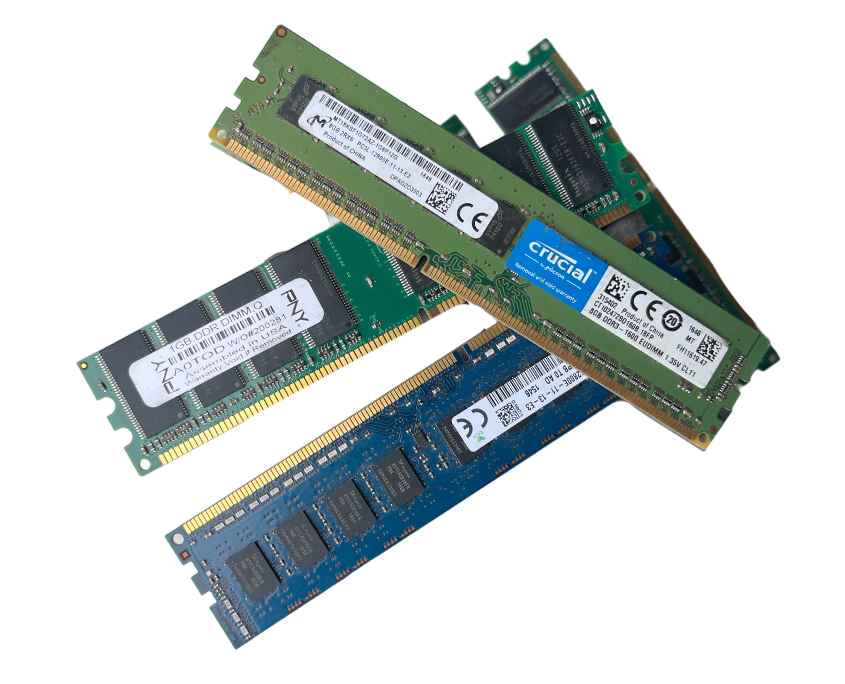
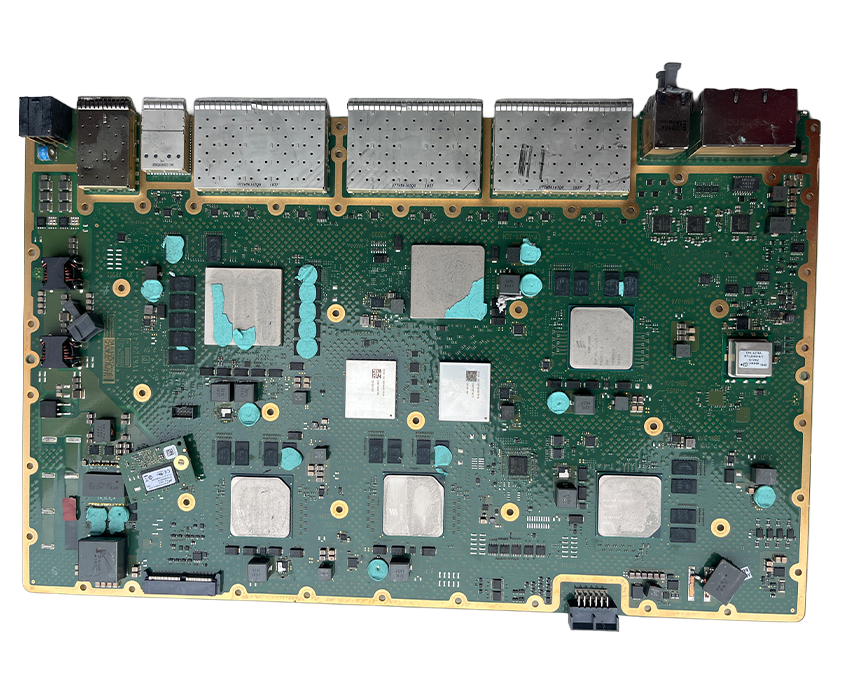
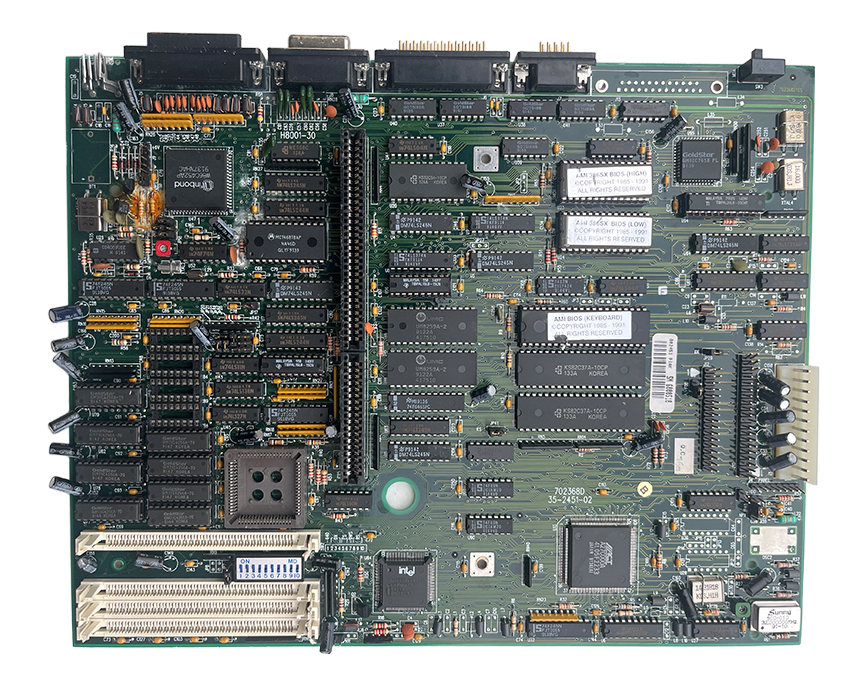
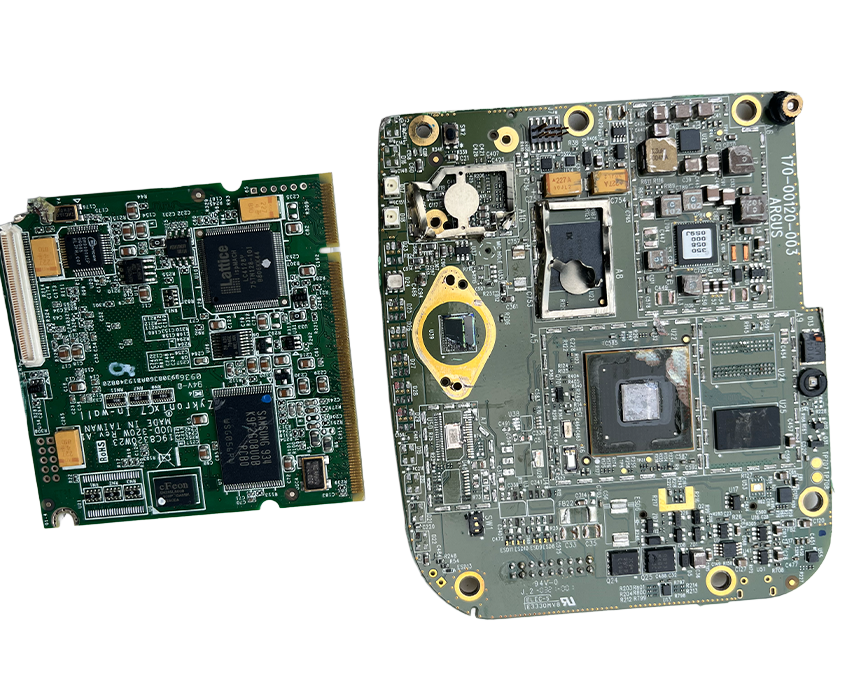
Circuitboards 0000s 0000s 0021 Gold Connector

Circuitboards 0000s 0000s 0020 Gold Memory

Circuitboards 0000s 0000s 0019 Hard Drive Boards

Circuitboards 0000s 0000s 0018 High Grade Boards No Fe

Circuitboards 0000s 0000s 0017 High Grade Motherboard P1p3

Circuitboards 0000s 0000s 0016 High Mid Grade Boards

Circuitboards 0000s 0000s 0015 High Pci Card

Circuitboards 0000s 0000s 0014 High Power Board

Circuitboards 0000s 0000s 0013 Iseries Motherboards

Circuitboards 0000s 0000s 0012 Iseries Network

Circuitboards 0000s 0000s 0011 Laptop Motherboard

Circuitboards 0000s 0000s 0010 Low Grade Board

Circuitboards 0000s 0000s 0009 Low Grade Motherboard

Circuitboards 0000s 0000s 0008 Low Mid Grade Boards

Circuitboards 0000s 0000s 0007 Mid Network Boards

Circuitboards 0000s 0000s 0006 Mid Grade Board

Circuitboards 0000s 0000s 0005 P4 Low Grade Board

Circuitboards 0000s 0000s 0004 P4 Motherboard

Circuitboards 0000s 0000s 0003 Power Board Green

Circuitboards 0000s 0000s 0002 Power Board Brown

Circuitboards 0000s 0000s 0001 Rambus Memory

Circuitboards 0000s 0000s 0000 Silver Memory