
Tag Archive for: metals

During the Great Recession, stories circulated about criminals stealing catalytic converters from automobiles. While this may seem to be an unusual crime, there was a reason why robbers chose this small component located within a car’s exhaust system. Catalytic converters are made up of various precious metals and may be sold on the black market for hundreds of dollars. These precious metals make catalytic converters ideal choices for recycling.

Catalytic converters serve a crucial purpose in your vehicle and contain valuable materials that might fetch a high price in the market. Recycling your old catalytic converter is the greatest way to guarantee that you get a fair price for it and that it is treated in the most environmentally friendly manner possible.

What are Catalytic Converters?

Automobiles make our lives easier, but the damage they cause to the environment is also widely known. Exhaust gases have major health and environmental consequences. These gases also cause air pollution. For the last 45 years, catalytic converters have been utilized to restrict toxic gas discharge into the environment substantially.

Eugene Houdry invented the catalytic converter around 1950 to scale down the environmental impact of toxic emissions from cars. With the growing global concern about the environment, it is imperative to establish that catalytic converters were made mandatory in the ‘70s for all car manufacturers to include while developing new cars.

During combustion, automobiles release three types of gases, including hydrocarbons (HC), carbon monoxide gas (CO), and nitrogen oxides (NOx). The catalytic converter installed in the vehicle’s exhaust system breaks down these gases into water vapor and less harmful carbon dioxide (CO2).

The catalytic converter contains metals that act as catalysts; they include rhodium, platinum, and palladium metals.

Research shows that the automobile industry is the biggest consumer of platinum group metals. The use of platinum group metals is becoming increasingly widespread as the world’s vehicle stock grows. Furthermore, the rise in the quantity of junk automobiles and the fact that each waste vehicle had a catalytic converter prompted recycling and recovery efforts.

Catalytic converters should last the life of the vehicle, but if the vehicle often backfires, they may need to be replaced sooner. Because of their metallic composition, replacements are costly.

Besides rhodium, palladium, and platinum, catalytic converters contain other metals, including nickel, copper, iron, cerium, and manganese. These metals are precious in the black market because they can be used to make electronics and jewelry as well as other industrial purposes.

Platinum Group Metals (PGMs)

The Platinum Group Metals (PGMs) comprises of:

  • Platinum (Pt)
  • Palladium (Pd)
  • Rhodium (Rh)
  • Osmium (Os)
  • Ruthenium (Ru)
  • Iridium (Ir)

Due to their importance in the industrial, electrical, medicinal, and most recently automotive businesses, these metals are in high demand in the marketplace. PGMs have recently been in the news because one of the most common domestic applications for these elements is catalytic converters, which reduce hazardous emissions from vehicles. The theft of these components is popular because of these highly valuable materials.

Due to its widespread usage in jewelry, platinum is arguably the most well-known of this group of metals. It’s thick, stable, and rare, commonly employed in medical and technological equipment.

Palladium is a silvery-white, soft metal with catalytic characteristics. It’s the lowest-melting and the least dense of all the PGMs. It doesn’t tarnish in the atmosphere at regular temperatures, which makes it good for use in jewelry in addition to its more common use in catalytic converters.

Iridium is the most corrosion-resistant pure metal. It’s also extremely dense and brittle. Those properties make it difficult to work with, which is why it’s usually heated up to very high temperatures in order to make it more workable.

Other Uses for PGMs

We already know that they’re some of the heavy lifters when it comes to catalytic converters, but they are also used in a variety of other applications.

PGMs are also employed as catalysts in the chemical industry to make nitric acid and in the petroleum refining sector to raise the octane rating of gasoline. Palladium is found in hybrid integrated circuits and multilayer ceramic capacitors. Both the automobile and aerospace sectors employ iridium in their spark plugs. Iridium crucibles are also used to make single crystals of exceptional purity of different metal oxides.

Platinum is used in jewelry to a lesser extent. Platinum and ruthenium are both utilized in the electronics sector to increase the memory capacity of computer hard drives. Glass-making machinery, such as that used to make fiberglass and LCD screens, contains platinum and platinum-rhodium alloys.

Platinum is also used in fuel cells, which are devices that generate energy by mixing a fuel, like a hydrogen, with oxygen from the air in the presence of an acid catalyst, like platinum. Vehicles and static power sources for homes and workplaces may benefit from fuel cells.

In the same way that gold and silver are used as investment metals, platinum and palladium are also available in bars and coins.

While chemical combinations of these two metals are desirable in a variety of alloy operations, rhodium and iridium are tougher and much more complex to deal with. Rhodium is a highly reflective metal that is valuable as a catalyst. It features a low electrical resistance as well as a low and consistent contact resistance.

Mining and Supplying PGMs

According to the most recent USGS data, global PGM resources are anticipated to be more than 100 million kilos. The Bushveld Complex in South Africa has the most resources.

South Africa, being the leading supplier of minerals and PGMs had its production falling by 11% in 2020 as opposed to other years. The decline was caused by various issues including the COVID-19 related lockdowns and the extremely high cost of electricity.

Recycling Catalytic Converters

Recycling companies make every effort to keep garbage out of landfills and to make sure many materials get reused. As a result, we feel that recycling should be done wherever viable, and catalytic converters are no exception; nevertheless, they provide additional advantages.

Used catalytic converters wind up in new and used vehicle dealers, automobile junkyards, muffler shops, and auto repair shops. If you work in one of these industries, you’re probably aware that each old converter includes around a tenth of an ounce of platinum, worth $1,000 per ounce or more.

The issue is that the platinum in your second-hand catalytic converters isn’t in tidy, tiny chunks that you can remove and sell. Platinum must be extracted and separated from the catalytic converter’s internal honeycomb by a recycling business using specialist equipment.

Why Do You Need to Recycle a Catalytic Converter?

  1. Preservation of Natural Resources

Mining metal ore and producing metals is a time-consuming and energy-intensive operation that involves significant mining, expensive procedures, and sometimes dangerous chemicals.

Platinum ore, for example, must be retrieved from deep tunnels, which requires a lot of drilling power, and a lot of ore is required for a substantial quantity of final platinum product. You might need to mine as much as 12 tons of ore to produce one troy ounce of platinum.

Platinum ore must be chemically processed once mined to get the metal. This is harmful to the environment and harmful to mining employees, who are often underpaid and compelled to work in dangerous conditions.

You may reduce the mining requirement for platinum and other precious metals by recycling your catalytic converter. For the environment, this is a tremendous victory.

  1. The High Value of Catalytic Converters

When you sell your catalytic converters to scrap metal dealers or recycling firms, you could be in for a considerable payday. Catalytic converters are often recycled for money due to their valuable components, unknowingly benefiting the environment.

The value of the platinum metal is growing over time. Its economic worth has never declined over the previous 20 years. As a result, the value of platinum is increasing on a daily basis. The price of platinum per gram is now more than $30. And that’s not even the most expensive component. Another PGM, palladium, is worth more than $70 per gram, but that’s nothing compared to rhodium. That PGM is worth more than $600 per gram these days. 

Keep in mind that these prices are somewhat volatile and do tend to fluctuate over time. However, the point remains — the PGMs in your catalytic converters are very valuable. 

How Do You Recycle Catalytic Converters?

Catalytic converters, like other materials, are graded and recyclable components separated after it is acknowledged at a materials recovery center. The metals may then be sent to recycling plants to be repurposed.

It is important to know the vehicle’s make, year, and model that a converter has been taken from. This knowledge will make it easy for you to find a buyer or for easy recycling purposes. This information will enable you to propose a reasonable quote. In addition, the details can enable you to know the value of the catalytic converter by searching online.

Some scrap yards are keen to check on the information outside the shell of the catalytic converter for an accurate quote. Selling your catalytic converter for scrap value will require you to know whether it is aftermarket or an original one. An original catalytic converter will fetch a higher price for scrap value, while the aftermarket will fetch much less. The reason for the difference in prices is that the aftermarket catalytic converters have fewer precious metals inside as compared to the original one.

It’s crucial to remember that you shouldn’t try to remove catalytic converters and their components. Even if your automobile is junk, removing the catalytic converter’s metal components may be difficult and risky.

When you tamper with the mesh-like structure inside the catalytic converter, the scrap yard will be unable to identify the type of the catalytic converter you are selling for recycling. This honeycomb, whose function is to filter exhaust fumes before passing through precious metals, acts as the housing. When you keep the honeycomb, the scrap yard will identify the vehicle it is from and pay the required amount.

In addition, it is imperative to acknowledge that catalytic converters are designed so that the metals are not harmful when left undisturbed. Nevertheless, when they are opened, the ceramic bricks are exposed, and they are considered hazardous. As a result, it’s vital to leave it to the professionals who have the necessary expertise and safety equipment.

Taking catalytic converters to a scrap metal yard or metal recycling provider or arranging for pickup is the safest and most efficient method to recycle them.

The Recycling Process

Step 1

Acquiring the catalytic converters from suppliers and dealers.

Step 2

Taking the used catalytic converters through the de-canning process. This process is arguably the most efficient in ensuring that stainless steel or steel housing is reclaimed.

The recyclers can recover 100% of all metals in the catalytic converter through the process. The convertor is conveyed hydraulically to a shear mill which pulverizes the scrap core. These small pieces land on a shaker table where a heavy magnet is used to separate between the ferrous and nonferrous metals.

The magnetic materials are picked by up the magnet and taken to a scrap steel holding zone for shipment to a steel mill. The steel is repurposed into new steel products at the mills, ready for the market.

Step 3

The honeycomb or the ceramic block is sucked by an air separator and carried in small solid pieces to the large holding packages.

Step 4

These holding packages containing precious metals are sold to a refinery that is purposely designed for recycling catalytic converters. Before smelting, the materials are crushed further into smaller bits. The furnace used for smelting is set at 1,200 degrees Fahrenheit and operates for 12 hours.

The smelting process separates ceramics and non-metallic components from the main precious metals. Once the nonferrous metal content is removed, the precious metals are cooled and solidified. At this stage, a chemical separation process is applied to deliver pure palladium, platinum, and rhodium.

Step 5

This step involves selling purified precious metals to different industries and manufacturers. Records indicate that 80% of the precious recycled metals are sold back to the auto manufacturing industries. Others are shipped to manufacturing companies dealing with nylon and synthetic rubber, missile parts as conductors and jet engines, and other jewelry and consumer electronics.

It is imperative to indicate that catalytic converters will remain precious across the world for the next several years — until the auto manufacturers fully shift to electric vehicles.            

Copper is an element and mineral, important for your everyday life. Copper is considered a key industrial metal due to the malleability, resistance to corrosion, high ductility, and electrical and thermal conductivity. When metals used in the United States are considered, copper ranks third, right behind iron and aluminum. If you are asking the question can you recycle copper, the answer is yes. Copper recycling is extremely important and valuable.

History of Copper

The use of copper dates back more than 10,000 years. The question of can you recycle copper was answered during the early days when the discovery was made that no degradation occurs during recycling. Both recycling businesses and collectors value scrap metal. The only metal capable of conducting electricity better than copper is silver. The attributes of copper have ensured it is one of the most valuable metals in the industry.

Copper was first used in roughly 87000 BC. In 8000 BC, copper became a viable replacement for stone. Egyptians began heating and shaping copper in 4000 BC. As technology improved, the discovery of smelting ores was the very beginning of the Bronze Age. Ancient Romans used copper from Cypress in the Mediterranean. During this time, copper was referred to as Cyprus, or the metal of Cyprus. Eventually, copper was called coprum, which means copper in English.

Recycling copper is an excellent way to save energy, and help the environment. You can recycle almost any metal. Copper accounts for 34.6 percent of the solid waste currently recycled. Due to the urgency of recycling copper throughout the world, you may be wondering can you recycle copper?

Why is Recycling Copper Difficult?

There are several different answers to the question, why is recycling copper difficult? The most common answer is the complexity of the recycling process. There are numerous important steps for copper recycling. Once you understand how the process works, you may realize the importance of your recycling efforts. The process begins when you begin gathering copper scraps and items containing copper at home.

Once your scrap copper has been collected, the next step is sorting the copper. There are different machines used for copper recycling including the copper granulator and copper stripping machine. The correct machine for processing is dependent on the type of copper such as single wires and copper cables. The copper is then sent to a smelting facility for melting.

The copper is heated in a furnace until the metal becomes molten, then formed into the items required. Once the copper has hardened, a machine is used for rolling the metal into smooth sheets. This is the beginning of making new materials. Another answer to why is recycling copper difficult is the process requires training and experience to be performed correctly.

Recycled copper does not lose its basic characteristics such as strength and malleability. This means the recycled product is as good as new copper. Copper recycling is an important resource for numerous countries, but the process begins with consumers and businesses understanding the importance of recycling.

Environmental and Economic Importance of Copper Recycling

Copper recycling offers significant benefits to the environment including the reduction in energy required for processing, conserving natural resources, and decreasing the amount of solid waste sent to landfills. In regards to recycling copper, the following statistics must be considered.

  • 85 to 90 percent less energy is required for recycling copper than new processing.
  • As a resource, copper is non-renewable.
  • The known copper reserves in the United States are about 1.6 billion metric tons.
  • 12 percent of all copper reserves have already been consumed.
  • 90 percent of the production of domestic copper comes from just 20 mines.
  • Copper in the United States is mined in Montana, New Mexico, Arizona, Nevada, and Utah.

Another answer to the question of why is recycling copper difficult is the environmental challenges. As the production of electrical products increases, low recycling rates result due to the confusion regarding how much energy is actually required. You may realize copper recycling efforts are gaining momentum because people are learning recycling is kinder to the environment than mining, and processing copper ore.

Approximately eight percent of the copper used throughout the world is produced in the United States. The number one producer of copper is Chile. Roughly 50 percent of all copper currently produced in the United States is derived from recycled copper. A little more than 50 percent of recycled copper is derived from machine and chip turnings. The rest comes from electrical cables, plumbing tubes, and radiators.

Copper Grades

Prior to understanding the value of recycled copper, you need to know the different grades. These grades directly correlate to the value. You can learn more about the different grades and markets here.

Bare Bright Copper

Bare Bright Copper is the most valuable grade. The name is derived from the bright and bare appearance. Copper wiring in this category must be a minimum of 16 gauge. You may have heard this grade called Bright and Shiny Copper. This grade must not be mixed or combined with any other metal including zinc or tin. To qualify, the copper must not have any tarnish.

#1 Copper

#1 Copper is the second most valuable. This grade must be unalloyed and clean. The difference is clean copper tubing is included in #1 Copper. The tubing must not have any materials decreasing the quality of the metal, paint, solder marks or insulation. Even if your copper tubing has minimal oxidation, it can be classified as #1 Copper provided there is no corrosion.

#2 Copper

#2 Copper is the third most valuable for copper recycling. This type of copper is generally dirtier than the other two grades. Copper with various imperfections, solder marks, and paint still qualify. The copper can have a higher oxidation level than #1 Copper. Most of the copper obtained from businesses for copper recycling is #2 Copper. This grade is different from the ones above because copper fittings and ends are included.

#1 Insulated Wire

#1 Insulated Wire is the fourth most valuable for copper recycling. This grade includes all clean copper cables and wires a minimum of 16 gauge. Your copper must be in fairly good condition, unalloyed and clean. You do not have to remove the insulation to qualify for this grade. Doing so is recommended to qualify as Bare Bright Copper. This will increase the price you receive for your copper recycling.

#2 Insulated Wire

#2 Insulated Wire is the fifth, and last grade for copper recycling. This grade includes a mixture of copper with plastic insulation and unalloyed copper wire. If your copper wires are not a minimum of 16 gauge, your copper will not qualify as #2 Insulated Wire. The difference is, you can recycle copper coated with other metals such as tin or nickel provided your coating is not extreme.

Every copper recycling center has slightly different specifications. The final answer to the question of why is recycling copper difficult is the confusion regarding which types of copper qualify for each grade. When asking can you recycle copper, despite the answer being yes, you must consider the different grade.

Benefits of Copper Recycling

Copper is 100 percent recyclable with numerous benefits. The top three benefits are defined below.

  • Copper recycling decreases the cost of landfills. When your copper is not recycled, it takes up space in landfills.
  • Copper recycling decreases the energy necessary to produce copper by up to 85 percent. Copper is finite, meaning recycling conserves copper ore.
  • The more copper you recycle the more you protect the environment by decreasing the need for refining and mining copper. Mining requires energy, fossil fuels and time. Refining copper releases toxic gases including dust and sulphur dioxide into the environment. To learn more about recycling copper scraps, visit Your text to link….

Most Common Questions Regarding Copper

Q: Can You Recycle Copper?

A: The answer is a definite yes.

Q: Why is Recycling Copper Preferable to Extracting?

A: Recycling copper is less expensive than mining and extracting. Only 15 percent of the energy required to mine and extract copper is necessary to recycle a ton of copper. You can help conserve the copper supply available, while decreasing emissions of carbon dioxide by recycling.

Q: Is There a Shortage of Copper?

A: Although there is currently no shortage of copper, the demand is consistently increasing. Unless technology enables economic copper mining, there is a possibility of a copper shortage in the future.

Q: Where is the Most Copper Mined?

A: The majority of copper comes from open-pit mines located in Chile, New Mexico and Utah. Chile is responsible for exporting almost 33 percent of the copper used worldwide. Copper is also obtained in Peru and Indonesia.

Q: What Happens After Copper is Recycled?

A: Old materials made from copper are melted down prior to being formed into new products.

Q: Is There A Lot of Copper Remaining?

A: There are approximately 5.8 trillion pounds of copper known throughout the world. Throughout history, 12 percent or 0.7 trillion pounds have already been mined. Due to the high rate of copper recycling, the majority of this copper is still in use.

Q: Can Copper be Recycled More Than Once?

A: Since copper can be recycled an infinite number of times, the answer is yes. Many experts believe some pennies contain copper dating back to the Egyptian pharaohs. This is the reason copper is referred to as the most reusable resource on the planet.

Copper Fun Facts

Fact 1

The first metal ever worked by humans was copper in addition to meteoritic iron and gold. These are among the few existing in a natural state. This means a fairly pure form of the metal was obtainable through nature. Copper has been used for over 10,000 years. An ax was made in 3300 BCE for Otzi the Iceman.

When the ax was found, the head was made of almost pure copper. High levels of arsenic were detected in the hair of the iceman. This may be an indication he was directly involved with the process of smelting copper.

Fact 2

Alloys are formed with copper and other metals. The two you may have heard about are bronze created with tin and copper, or brass created with zine and copper. There are currently hundreds of copper alloys in existence.

Fact 3

The metallic-reddish coloring of copper is unique. The only other metal listed on the periodic table as a non-silvery metal is gold. When copper is added to gold, the result is rose gold or red gold.

Fact 4

Copper is used as a natural antibacterial agent. Brass is often used for door handles located in public buildings to help prevent the transmission of disease. Copper is not toxic for invertebrates, which is the reason shop hulls often contain copper for preventing algae, and the attachment of barnacles and mussels.

Fact 5

The three most common metals for industrial use are iron, aluminum and copper. Approximately 60 percent of all copper is used for wiring, electronics, cookware, plumbing, building construction, coins, and various other products. You most likely believe chlorine is what makes hair in swimming pools turn green, but it is actually copper.

Fact 6

Simple binary compounds are easily formed with copper. These compounds have just two elements including copper chloride, copper sulfide and copper oxide.

Fact 7

Copper is essential for human nutrition. The majority of water supplies and foods contain this critical mineral for the formation of blood cells. The foods with the highest amount of copper include grains, beans, leafy greens and potatoes. You would have to ingest a tremendous amount of copper to receive too much. This can cause anemia, jaundice and diarrhea.

Fact 8

Copper contains many of the characteristics, and properties of desirable transition metals. Copper is a great conductor of electricity and heat, is soft, ductile and malleable and resists corrosion. Eventually, copper will oxidize, resulting in the formation of copper oxide. This oxidation is why the Statue of Liberty is green as opposed to an orangish-red.

Fact 9

Almost 80 percent of all copper mined throughout history is still being used. The metal is 100 percent recyclable. The copper located in the crust of the Earth has a concentration composed of 50 parts per million.

Fact 10

The two most common states of copper oxidation have their own properties. You can tell the difference by heating the ion in a flame to observe the emission spectrum colors. The flame from Copper II is green, while Copper I results in a blue flame.

FERROUS METALS

Ferrous metals take their name from Latin. In ancient Latin, Ferum translated as iron, thus ferrous metals all contain iron. The unique qualities between the different ferrous metals result from changes in the atomic relationship.

Read more

Circuitboards 0000s 0000s 0021 Gold Connector

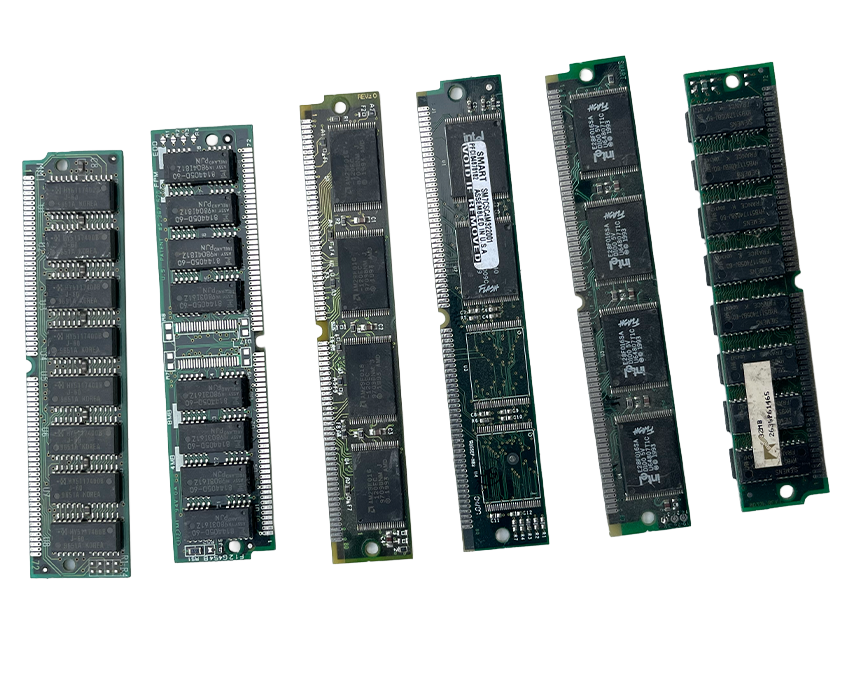
Circuitboards 0000s 0000s 0020 Gold Memory

Circuitboards 0000s 0000s 0019 Hard Drive Boards

Circuitboards 0000s 0000s 0018 High Grade Boards No Fe

Circuitboards 0000s 0000s 0017 High Grade Motherboard P1p3

Circuitboards 0000s 0000s 0016 High Mid Grade Boards

Circuitboards 0000s 0000s 0015 High Pci Card

Circuitboards 0000s 0000s 0014 High Power Board

Circuitboards 0000s 0000s 0013 Iseries Motherboards

Circuitboards 0000s 0000s 0012 Iseries Network

Circuitboards 0000s 0000s 0011 Laptop Motherboard

Circuitboards 0000s 0000s 0010 Low Grade Board

Circuitboards 0000s 0000s 0009 Low Grade Motherboard

Circuitboards 0000s 0000s 0008 Low Mid Grade Boards

Circuitboards 0000s 0000s 0007 Mid Network Boards

Circuitboards 0000s 0000s 0006 Mid Grade Board

Circuitboards 0000s 0000s 0005 P4 Low Grade Board

Circuitboards 0000s 0000s 0004 P4 Motherboard

Circuitboards 0000s 0000s 0003 Power Board Green

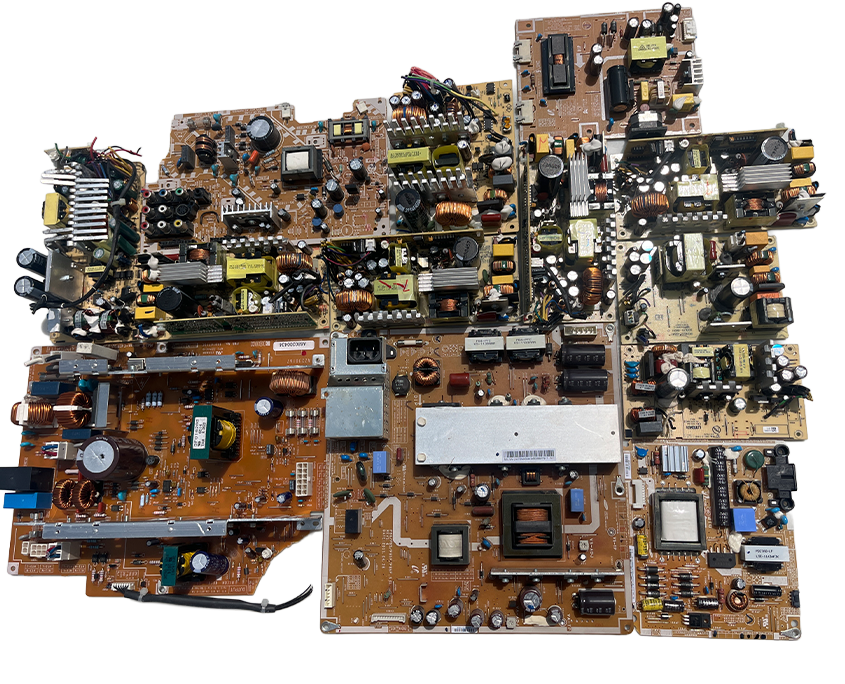
Circuitboards 0000s 0000s 0002 Power Board Brown

Circuitboards 0000s 0000s 0001 Rambus Memory

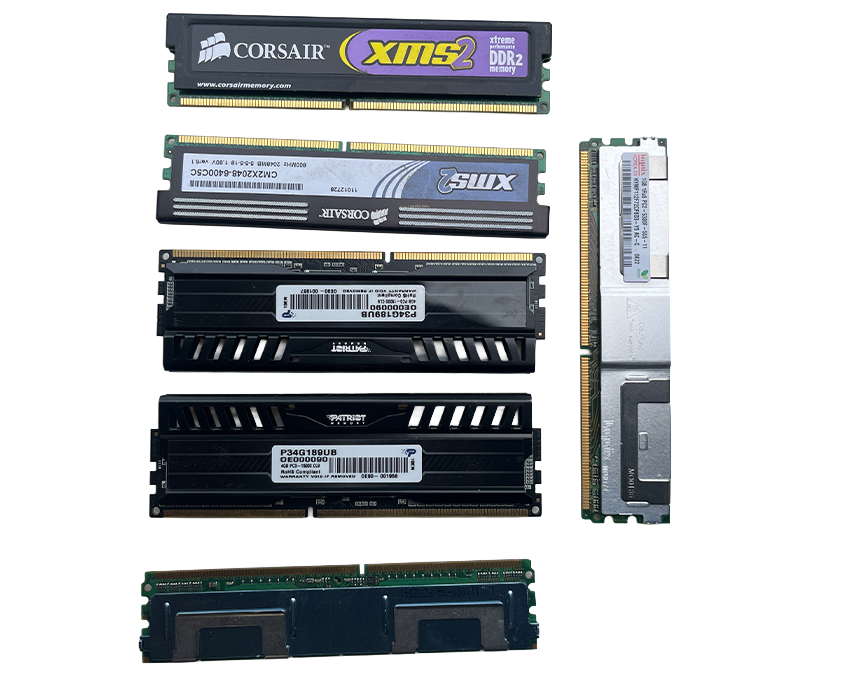
Circuitboards 0000s 0000s 0000 Silver Memory