Tag Archive for: electronic

Electronic waste to bring to electrical scrap buyers

So, here’s the dilemma. You’ve got a huge pile of old electronics gathering dust in the basement. You’ve got all kinds of computer parts, TVs, cell phones, and who knows what else. It’s all accumulated over the years, and before you knew it, you had a huge pile of electronic junk to get rid of. What do you do? Up to this point, you’ve just been trying to ignore it, which hasn’t been working out so well. One of your best options is to take all your gadgets to electrical scrap buyers to get cash for electronic scrap. 

You can take many broken or otherwise unwanted electronics to e-cycling centers, but did you know that some electrical scrap buyers will give you cash for electronic scrap? Of course, the things they’ll pay top dollar for are not your run-of-the-mill CRT monitor or an outdated cell phone. Electrical scrap buyers are looking for value. What kinds of electronics are best donated and what kinds you can sell will differ between electrical scrap buyers, so you should always check with the facility first. Most should have lists of what they accept and pricing tables for how they pay readily available.

Here, we’ve compiled a general list of what the best things to bring to electrical scrap buyers tends to be. But first, let’s define some terms. 

Ferrous or Non-Ferrous Metals?

When you’re looking at the websites of electrical scrap buyers to try to figure out what kind of cash for electronic scrap you can get, you might see this distinction. They will usually offer a different price for ferrous metals than they will for non-ferrous scrap. How do you know if what you’ve got is ferrous? What does that even mean?

Don’t get confused. Basically, ferrous means the metal has iron in it (“ferrous” is derived from the Latin word for iron). It’s that simple. Some common examples of ferrous metals are alloy steel, carbon steel, and wrought iron. You might not find too many of these in your electronics, so you will probably be looking at non-ferrous metals. Some common examples there would be aluminum, copper, and lead. 

The easy way to test to see if you have ferrous or non-ferrous metal to bring to electrical scrap buyers is to see if it’s magnetic. That’s why non-ferrous metals are more often used in electronics. Since they’re not magnetic, they’re better suited to that kind of application. They’re also less prone to rust than their ferrous counterparts, so you’ll also see them more often in things like gutters and outdoor signs.

Best Metals to Take to Electrical Scrap Buyers

Copper is definitely one of the most lucrative that you’re going to find in electronic scrap. There are several different grades of scrap copper, each fetching a different price. The kind you’re most likely to find in electronics is copper wiring, and you will probably come across some wiring with insulation. 

Whether you take this insulation off or not will affect how much cash for electronic scrap you get. With little spaghetti wires, it’s often not worth the effort to strip the insulation off; the difference in price isn’t enough to justify all that work. On the other hand, it can definitely be a good idea to strip larger wires of their insulation. It’s easier to do, and you’ll get more copper out of it. Many electrical scrap buyers will still take insulated copper wire and strip the insulation off themselves, they’ll just pay you less for it. Definitely ask your chosen electrical scrap buyers about it if you have any concerns.

While copper is one of the metals that will get you the most cash for electronic scrap, there are others that are worth your time, too. You might find steel in the shells of your appliances, and in certain electronic components, you’ll find precious metals like gold and silver. It won’t be very much of it, but when you add up all your electronic scrap, you might end up with a pretty decent payout.

Things to Bring to Electrical Scrap Buyers

Alright, we’ve got the most important vocabulary words and overarching concepts out of the way. Now we can get a little more detailed about what will get you the most cash for electronic scrap. Of course, there are other types of metal that you can scrap to rake in the big bucks, but we’ll focus here just on electrical scrap buyers. We’ll take you through how to get the most cash for electronic scrap — that includes which types of scrap tend to bring in the biggest bucks and which waste is better to just donate. Here are some of the most common items people want to take into those electrical scrap buyers:

Appliances

Ranging from big-ticket items like washing machines to smaller items like microwaves, selling appliances can be one of the best ways to get cash for electronic scrap. Getting rid of large appliances like refrigerators or ovens can be a hassle. However, if you sell them to electrical scrap buyers, at least you can recoup some of the money you spent on them. If you’ve got appliances with copper tubing, you’re in for an even bigger payday. 

As with most items on this list, you’re probably going to get more money for your appliances if you take them apart and separate them into their different components before you sell them to electrical scrap buyers. This is especially true for relatively small and easy appliances like microwaves. You can snip off the cord, take off the shell, and separate all of the different pieces into piles based on what type of metal they contain. It’s a little extra work, but it can often make the process of selling to electrical scrap buyers that much easier and more lucrative.

Ceiling Fan Motors

If you’re upgrading your living room to beat the heat this summer, what better way to get rid of your old ceiling fan than selling it for a little extra cash? Granted, you’re not going to get very much from an old ceiling fan motor on its own, but adding it to the pile with all the other items we’re listing will give you a little extra bump. 

Remove the blades of the fan before taking it to any electrical scrap buyers, and then see what they’ll give you for the motor. There might be a copper coil inside of it, and that might be worth a little something. Always be on the lookout for where copper might be hiding to get the most cash for electronic scrap.

TVs

TVs are a little bit tricky. Some of them might be good ways to get cash for electronic scrap, but others are not good candidates. If you’ve got a CRT TV, you might have to pay to get it taken away. This is because of the cathode ray tubes within those old types of televisions. They can explode if not handled properly, so many electrical scrap buyers don’t want to touch them. 

They do, however, sometimes take some of the components from CRT monitors. For example, copper yokes from these types of TVs can be good elements to sell. Since copper is so valuable, any source of it might be a good way to get cash for electronic scrap. 

It all depends on how much effort you’re willing to put into taking your electronic scrap apart. Some people are quite comfortable with using their tools and breaking everything up while others aren’t. If you value convenience over getting the most cash for electronic scrap, you’re probably going to want to donate rather than sell in most cases.

Power Outlets

We’re not suggesting you rip all the outlets out of your walls to make a little extra cash. That would be pretty ridiculous and way more trouble than it’s worth. However, there are sometimes power outlets in desks and TV stands that you’re trying to get rid of. If you’d rather donate them than sell them, you won’t be losing out on much. But if you’re trying to get a big pile of electronic scrap together to sell, it doesn’t hurt to throw these in. You can also cut off the wires to separate them out if that’s something you’re comfortable with. Any effort you’re willing to put in will likely get you more cash for electronic scrap.

Backup Batteries

These devices are safeguards for when the power goes out while you’re working on an important document on your computer. Instead of losing all your hard work that you hadn’t yet saved, they’ll allow you to shut everything down properly. These types of batteries are pretty heavy, which translates into a pretty decent payout if you take them to electrical scrap buyers. Just be sure to check that they take these types of items before you bring them in, which goes for every item on this list.

Laptops

What you have to watch out for here is the batteries. Often, electrical scrap buyers will want you to take out the laptop’s battery before they’ll buy it. You’ll have to find another way to get rid of the battery, but you can still get a good price for the rest of the laptop. They can contain a lot of valuable parts, like those precious metals we mentioned earlier.

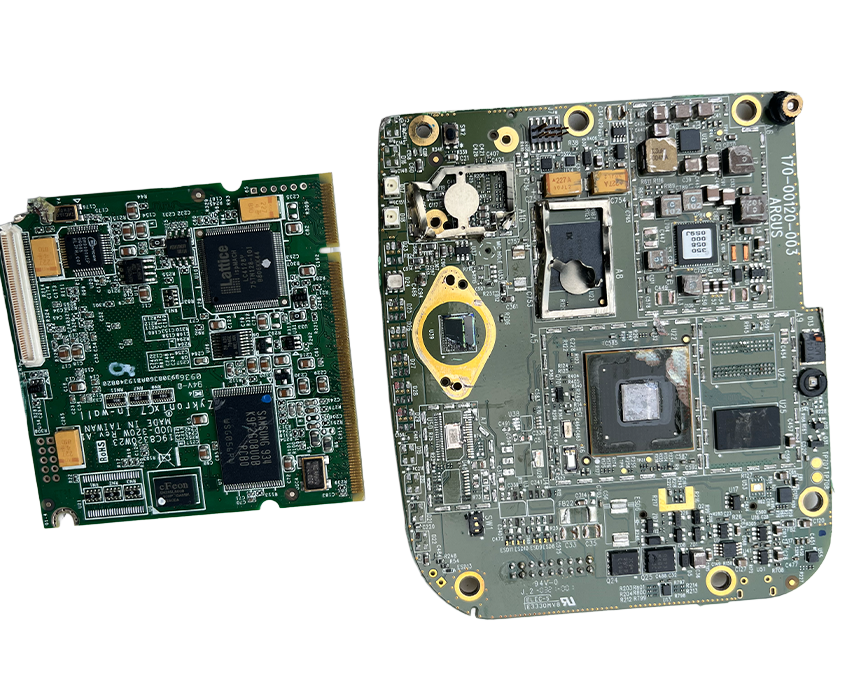
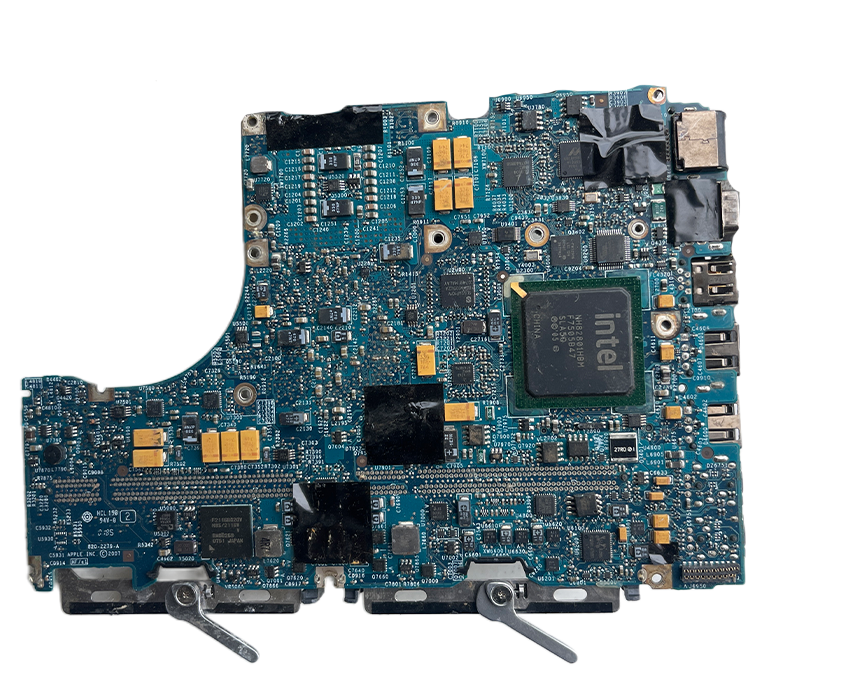
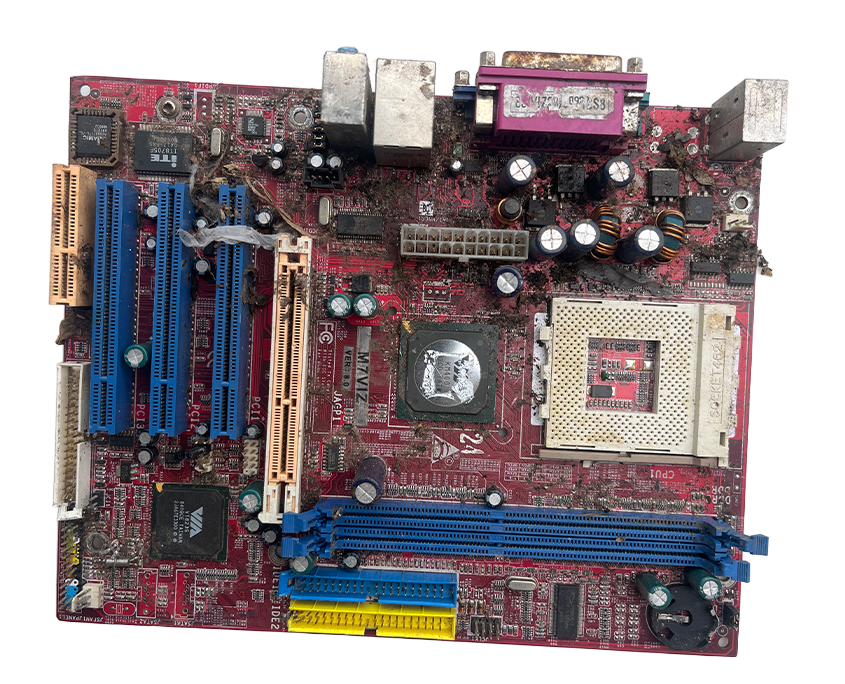
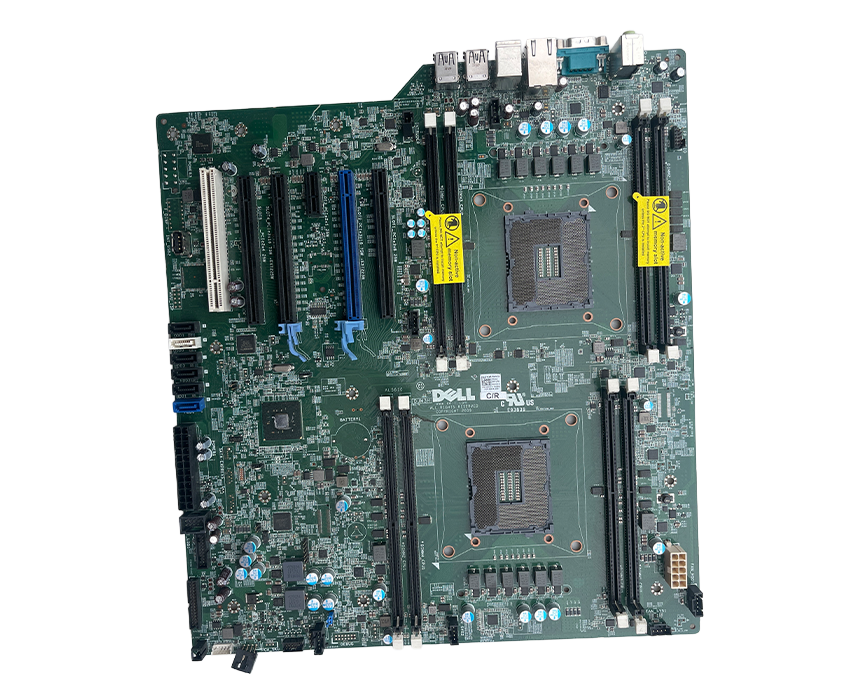
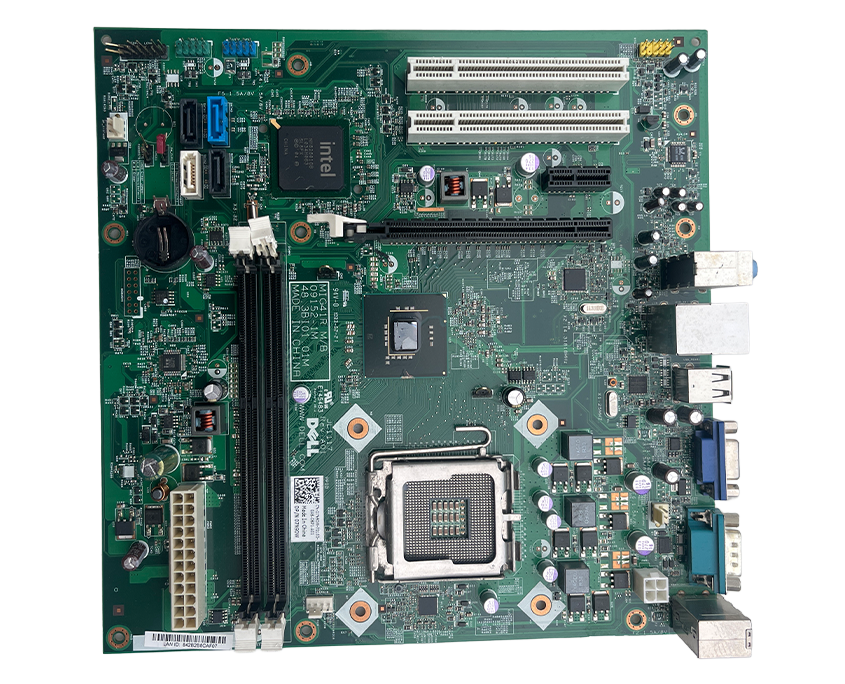
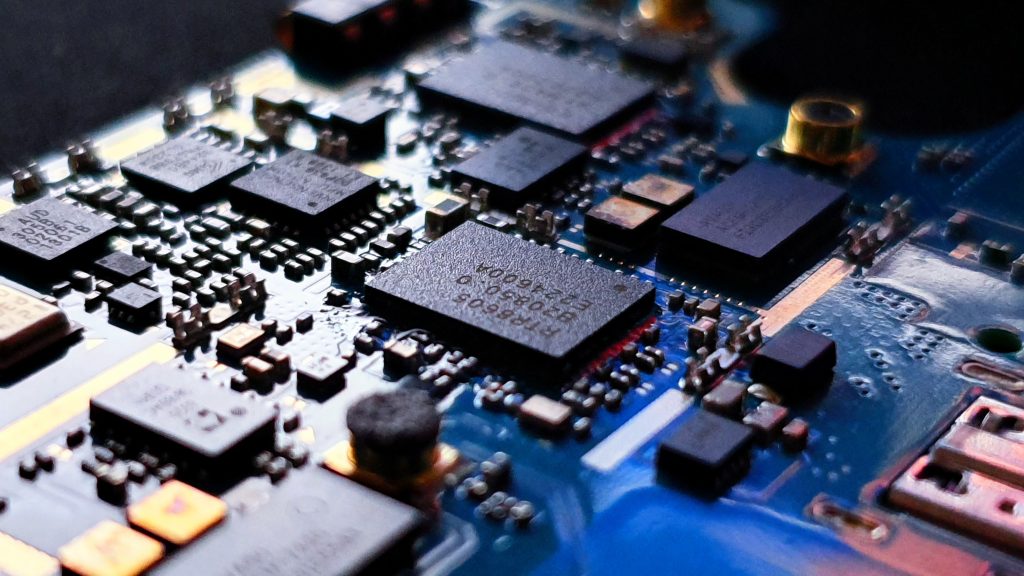
Motherboards are the biggest circuit boards in computers, and they often contain the most gold. You’ll find the shiny stuff in their contacts and connectors, and there’s a thin layer of it on their surfaces. There’s also gold in their central processors and memory chips. If you can round up a lot of discarded laptops, you can get a lot of cash for electronic scrap.

Mini-Transformers

You’ll find these on cell phones, cameras, and electronic chargers. If you’re looking for these, you’re looking for a small black box. These are good devices to sell because they contain a small copper transformer. Once you get that out of there, you can scrap it. Of course, one or two of them are not going to be worth very much and are probably not worth it, but if you can get your hands on a fair amount of them, they can definitely be worthwhile.

Desktop Towers

Scrapping an entire computer can be a fairly involved process if you want to take it apart. You can often get more money for it when you’re selling the individual pieces, but electrical scrap buyers will sometimes take the whole tower, too. Selling desktop towers can be one of the more lucrative ways to get cash for electronic scrap, especially if you take them apart. However, like most items on this list, you’ll want to check with electrical scrap buyers before bringing in your desktop towers. Some buyers might not take them.

Contact Electrical Scrap Buyers

There you have it. We’ve given you a good list of where to start trying to get cash for electronic scrap. Round up all the unwanted electronics in your house, and go from there. That includes obvious items like big appliances, but it also includes smaller devices you might not think of, like ceiling fan motors. 

The biggest tip is to take apart your electrical scrap and sort it into its components. You’ll likely get more money for it that way. Taking off insulation, sorting out different types of metals, and discarding any non-metal elements are all good places to start. However, if you don’t want to do all that, there are options for you, too. For those of us who just want to get rid of the dusty old electronic devices taking up space in the basement, there are often programs where you can donate your junk instead of selling it. That way, you can be free of it without having to put in any extra work. There are also some electrical scrap buyers who will give you money for whole devices, but you should definitely check with them before bringing anything in.

With all of these ideas in mind, you should be ready to pile up some old electronics and get out there.


A monitor ready for an e-recycling center

You’ve probably heard plenty about how beneficial an e-recycling center can be for the environment — if you haven’t, these centers keep harmful chemicals out of landfills and help reduce the need for mining of finite resources, among other benefits. Amidst all the hard pitching you see for e-cycling, you might wonder exactly how that process actually goes down. Here, we’ll pull back the curtain on electronic recycling in St. Louis and detail the process for you.

The E-Recycling Process

As you’ve probably guessed by now, an e-recycling center is a lot more complicated than your run-of-the-mill paper and plastic reprocessing plant. Electronics like cell phones and computers are made up of a lot of different materials, so they can’t be easily sorted like your old newspapers and water bottles. The process at an e-recycling center varies accordingly, meaning electronic recycling in St. Louis is a complex and diverse endeavor. 

Collection

The first step at any e-recycling center, though, is to collect the items that are to be recycled. That can include transporting items from wherever they are to the e-recycling center or holding special drives to encourage the public to come out and get rid of their old devices. Often offsite, the items from these drives then need to be taken to the e-recycling center for processing. That’s when the real work can begin.

Many e-recycling centers will check to see if the devices that have been donated are still functional, or if they could be easily refurbished and resold before they resort to breaking them into their parts and recycling the raw materials. The refurbished tech is also sometimes donated to schools and charities, so it’s always a good idea to check if your gadgets can be fixed up before giving them up to be broken into their parts.

Shredding

When your devices have become pesky burdens instead of helpful servants (that is, they’re no longer functional) and the e-recycling center can’t salvage them, they generally get shredded. Once granddad’s boombox is nothing more than little bits of plastic and metal, those pieces get separated, sorted, and sold to be used in new gadgets.

However, the electronics recycling process doesn’t always happen this way — some sorts of technology, like rechargeable batteries, might explode in the shredder, so it’s generally prudent to remove them from that process. Another example of non-shreddable junk would be CRT monitors (think the fat TV your parents had before the flatscreen), which typically get taken apart manually because they contain so much lead — up to eight pounds of the stuff.

Sorting

All of the materials have to be sorted after the e-recycling center has broken them down. This process often begins with a high-powered magnet. It’s deployed to separate out all the iron and steel to then be sold as recycled steel. Then, aluminum, copper, and circuit boards are separated out from the remaining materials. That leaves mostly plastic. A special process utilizing water separates out any glass that remains in with the plastic, and then if any metal remnants are still mixed in, those are taken out as well.

CRT Process

We mentioned CRT monitors before, and if you’re curious about how recycling those devices differs from other types of electronics, we’ll clarify a little.

Special Considerations

CRT stands for Cathode Ray Tubes, and those tubes are the main issue here. That means that recyclers have to first take the shell of the monitor off to get at those tubes. They do that step manually. Once the shell is gone, internal elements like the panel glass, glass tube, electronic chip boards, electron gun, and wiring are exposed. Those are separated out and sorted together so that each different type of material can be recycled according to the process that best fits its specific properties. 

The glass tube is one of the main elements, and inside of it is a vacuum seal. That makes it prone to imploding if improperly handled, so companies that do electronic recycling in St. Louis use specialized equipment to safely take the glass tubes apart. One of the other potentially hazardous elements inside the glass tubes is phosphorus, which has to be removed before the glass can be recycled.

As soon as all the different elements of a CRT monitor are separated and prepared properly, they can be shredded like other electronic waste. Magnets remove the iron and steel bits, and aluminum and copper are separated out as well. That leaves glass — leaded and unleaded. It has to be cleaned of any oxides, phosphorus, or dust, and then it’s ready to be sorted between those two types.

Leaded glass can be used to make new screens, but it might also be sent to smelters for other products, like batteries. Most of the different elements that are broken down and extracted can be sold to another plant to be further refined and then sold to a plant that produces new materials.

E-recycling centers can encapsulate this whole process, from sorting to shipping out the raw materials.

What happens to the raw materials?

So, the e-waste has been picked up and dropped off at an e-recycling center, it’s been broken down properly and sorted into all its different components, now what? Electronic recycling in St. Louis or anywhere is a multi-step process that involves different centers and plants completing different vital elements of recycling and reusing the raw materials.

Often, the raw materials that make up electronic devices, like metals, are sold to be used again in another gadget. Those elements are very valuable. Obviously, the harmful heavy metals in some devices are disposed of properly, sometimes at specialized facilities. The plastics left over get reused in new products as well.

The materials often need extra refinement to get them to a point where they can be reused in new products, and that process typically happens at specialized facilities, not the e-recycling centers themselves.

What challenges do e-recycling centers face?

These processes might sound straightforward, but there are still quite a few issues for organizations attempting electronic recycling in St. Louis or anywhere else. There are many steps to electronic recycling, and problems can arise at any of them.

The first challenges come with the first step of the process, which, as we discussed earlier, is the collection and transportation phase. Making sure potential donors know where to take their old electronics, where electronic recycling in St. Louis is offered, what to bring, and what to leave at home is the first hurdle e-recycling centers have to clear. If no one drops off any dead devices, nothing can be recycled.

Not only are there issues with customers not knowing how to recycle their devices, but there are also issues with the ways the devices are being made. They are becoming smaller, and therefore yielding less precious metal and becoming less valuable to recyclers. 

What’s more, they’re being made in ways that are harder to recycle, as well. Repairing devices like smartphones is discouraged based on their design, and that adds to the abundance of e-waste in landfills. Therefore, it’s extra important to make sure you take part in electronic recycling in St. Louis.

E-Recycling Requirements

Now that you’re more knowledgeable about what goes on behind the scenes at an e-recycling center, you’re probably wondering where you can find one. Electronic recycling in St. Louis is not particularly hard to come by, so that’s a good place to start if you live in the area. 

Missouri

Missouri law does not require most electronics to be recycled, but the department of Natural Resources strongly encourages it. There are plenty of opportunities for electronic recycling in St. Louis and across the state to comply with this recommendation. 

It’s important to note, though, that Missouri law does require certain hazardous wastes that are sometimes found in electronics to be disposed of properly and not just left out for trash pickup, and it also requires businesses, schools, and certain other institutions to keep certain unwanted electronics out of landfills. You’ll probably want to check the laws yourself to make sure you’re in the clear, but either way, finding a good resource for electronic recycling in St. Louis is one way to make sure you’re compliant with the law.

Items that do require electronic recycling in St. Louis and the rest of the state are electronics that contain heavy metals. Some examples there would be computer monitors, televisions, and circuit boards. If you have some of these to get rid of, an e-recycling center is definitely the way to go.

Illinois

On the other side of the Mississippi, however, the laws are a bit stricter. The state of Illinois requires that the following types of items all be recycled:

  • Computers and small-scale servers
  • Computer monitors
  • Electronic keyboards and mice
  • Printers, fax machines, and scanners
  • Televisions
  • DVD players, DVD recorders, and VCRs
  • Digital converter boxes, cable receivers, and satellite receivers
  • Portable digital music players and video game consoles

Again, you’ll want to double check the Illinois requirements and guidelines for yourself before deciding on a course of action, but electronic recycling in St. Louis could be the perfect solution if you have to get rid of some old devices. 

The Benefits of Local E-Recycling Centers

You might be aware of e-recycling opportunities where you ship your old items overseas. This may sound like an appealing prospect, but lots of those e-recycling centers aren’t ethically operated. In some developing countries, workers (sometimes children) take the e-waste apart by hand. They’re often not governed by the same environmental protections as e-recycling centers in more developed countries are, leading to pollution. They often burn the devices to access the components they can resell, and that can release harmful chemicals into the air. 

Electronic recycling in St. Louis, however, can be a process devoid of these unethical and environmentally unfriendly practices. It’s best to try to stay local when you’re looking for an e-recycling center so you know exactly where your devices are being broken down. The different centers you’re considering should be happy to answer any questions you have about their process.

In Review

So, let’s sum this all up. Electronic recycling in St. Louis is an important process because it helps to keep our environment healthy by keeping harmful materials out of landfills. When you find somewhere to drop your unwanted electronic devices, they take many steps to turn your trash into raw materials that can be used in shiny new gadgets. 

This process differs depending on what type of device you’ve dropped off. Most common devices, like smartphones, can be shredded pretty immediately. However, bigger, more toxic items, like CRT monitors, have to undergo a specialized process. They are taken apart manually first to get rid of any potentially dangerous materials before they hit the shredder. 

Different mechanisms, including high-powered magnets and water power, are used to separate the bits and pieces of the e-waste into the different raw materials that comprise them. Those raw materials, such as glass, copper, and steel, are then grouped together and sold to other facilities that can further refine them. Once they’re fully refined, they can be used in new products.

The e-recycling process isn’t always smooth sailing, though. Challenges can arise at every phase. The shrinking size of electronics makes them harder and less beneficial to recycle, as they contain fewer valuable materials the smaller they get. And of course, many people are unaware of how vital electronics recycling is. They might not be aware of the different rules and regulations about the safe and environmentally friendly disposal of old electronics, or they might just not know where e-recycling is offered. 

Recycle your electronics today.

Electronic recycling in St. Louis is imperative to keeping our environment as healthy as possible, and it doubles as an ethical way to declutter. Leaving decades of gadgets that have seen better days to collect dust in your basement isn’t doing anyone any favors. So, with spring cleaning season upon us, find your nearest e-recycling center and get rid of your derelict devices as soon as possible — that way, they can live another life, and you can get your basement back.

Broken, surplus, and obsolete electronic items are electronics waste, which we also call e-scrap or e-waste. Every year, millions of tablets, laptops, computers, TVs, and mobile phones approach the end of their useful life and become e-waste. Electronic waste contains toxic chemicals and materials that get into the environment if it accumulates in landfills. Yet, that is exactly where the majority of it ends up. So, what should we do with electronics waste? Take it to a reputable e-waste management company.

Benefits of Recycling Waste

An e-waste management company will take your old electronics hardware and perform electronic recycling and computer board recycling. Recycling electronics waste protects our planet and various resources. It also protects humans. Here are some of the benefits of e-waste recycling:

Recovery of valuable resources

Recycling e-scrap recovers gold, silver, platinum, copper, titanium, lithium, cobalt, aluminum, iron, tin, and fossil fuels from old electronics devices and puts these valuable resources into new electronics products. Even the metals, glass, and plastics in e-waste are reusable.

Saving of electricity

The EPA states that recycling one million laptops saves enough energy to run 3,657 US households for one year.

Pollution reduction

Electronic devices contain toxic heavy metals such as PVC plastic, cadmium and beryllium, mercury, lead, brominated flame retardants, and other hazardous chemicals. These things harm human health, the environment, and contaminate the water supply. This pollution is greatly reduced by e-waste management because recycling does not allow for the dumping of electronics waste into landfills.

Landfill space conservation

One by one, the states in the US are passing laws that demand e-waste management.

Reduced production waste

The Electronics TakeBack Coalition states that it takes 40 pounds of chemicals, 530 pounds of fossil fuel, and 1.5 tons of water to manufacture just one computer and monitor. This means the production process burns 81% of the energy that is associated with each computer – the years spent using them only take 19%.

Job creation

With millions of devices in need of tedious electronic recycling and computer board recycling, there are plenty of e-waste management job openings.

The Valuable Resources Waste Problem

According to blogs.ei.columbia.edu, the value of recoverable materials in global electronics waste in 2016 was estimated to be $64.6 billion. Only about 20% of that was being recycled.

Cell phones are the most frequently discarded electronics item. According to one article, one million cell phones contain 33 pounds of palladium, 35,274 pounds of copper, 772 pounds of silver, and 75 pounds of gold.

Reclaiming valuable resources from unwanted electronics is much easier than mining for them. This “urban mining” that e-waste management companies do makes sense. According to a recent study done in China, traditional mining costs 13 times as much as the electronic recycling of things like aluminum, gold, and copper contained in e-waste costs.

The world continues to escalate the use of electronics products, which increases the demand for precious metals and other valuable resources that go into making them. Electronics manufacturers are already experiencing shortages in raw materials.

Electronic Recycling Challenges

  • More than half of the world’s collected e-waste is exported to developing nations. The inadequate environmental controls in the recycling companies there allow various kinds of health and environmental problems to form.
  • The quality of e-waste is decreasing. Devices are being made smaller and smaller, so they contain few precious metals in them. This has caused some recycling businesses to close.
  • Electronics are being made to better protect information than in previous generations of the products. This also makes these items hard for recyclers to get into them to recycle, repair, and offer up for reuse.

The Electronics Recycling Process

Recycling electronics can be difficult, depending on the sophistication of the devices. These products are made with different amounts of plastics, metals, and glass. Also, the process of separating the various materials will vary, depending on what is being recycled and what technologies are being used.

Collection

Recyclers put electronics take-back booths or collection bins in particular places such as in Walmart stores.

Transportation

Recyclers collect and transport the e-waste to recycling facilities.

Shredding, sorting, and separation – The various materials that make up electronics must be cleanly separated so they can be used to make new products.

Recyclers shred the collected devices into pieces as small as 100mm. This facilitates the extraction of iron and steel from everything else through the use of a powerful overhead magnet. Next, mechanical processing separates the copper, aluminum, and circuit boards, leaving mostly plastic and some glass. Water separation technology extracts the glass. Metal remnants are the last items to be separated from the plastics.

Preparation for sale

The raw materials are prepared for sale as raw materials that will be used to make new electronic products.

Choosing an E-Waste Management Company

It is important for the health of humans and the environment that your electronics waste is properly disposed of. Because of the many unscrupulous global dumping operations that present themselves as responsible e-waste recycling companies, you’ll need to ask any prospective recycling partners a series of questions. That is the only way you can be assured of their integrity.

  1. Ask the recycling company what their address is
    A responsible recycling business will have facilities where they operate. If the company spokesperson dodges your question regarding the address, his company likely participates in global dumping.
  2. Ask to see the recyclers permit to operate
    A legal recycling business would have a permit and be willing and able to show it to you.
  3. Ask the company for proof of their commitment to the environment
    Recycling companies all claim to be committed to the environment, but you’ll want to know for sure how committed to the environment the company you are considering actually is. Some sort of proof of their commitment would assure you that the business is likely a responsible recycler. Certifications are a good indication of commitment to a cause. The company should be able to show you certification by either the R2 or the e Stewards EPA-endorsed standard programs.
  4. Find recycling companies who educate the public about e-waste
    You want a recycling partner who makes positive impacts on human health and the environment. It would be even better if that partner is part of the solution through education of the public about the proper disposal of electronics waste.
  5. Ask how recycler handles data security
    It is critical that sensitive information is destroyed, whether you are recycling customer electronics or your own electronics. Nobody wants their private information shared with others or misused.Ask whether they shred, degauss, or wipe data. Some recyclers will offer you a certificate of hard drive destruction to verify that your personal information was destroyed. You’ll want to make sure that if you are considering a recycler who refurbishes various electronics gadgets that you specify in the contract that all personal information will be wiped from all devices. Get it in writing in the statement of work or in your final contract.
  6. Know what you need
    The first thing you need to do is to understand in detail what you need the e-waste company to do. That’s because recycling companies will ask you detailed questions about your recycling requirements. Here is how you prepare:

    1. Consider the sources of e-waste in your facilities
    2. Gauge how much e-waste your facilities produce weekly, monthly, or quarterly.
    3. List the kinds of e-waste that your facilities commonly produce. Are they finished products or mostly accessories? Does the company accept and process the kind of scrap you have?
  7. Set up meetings
    Once you have taken a personal inventory, start contacting recyclers. Have local vendors meet with you at your business. If good customer service is important to a company, their spokesperson will want to meet with you and see your facilities. Before they arrive, consider signing a non-disclosure agreement if you think you’ll exchange information with them or give them a tour. Your visitor will ask you what you need, and you’ll have your list prepared.
  8. Choose Recycling Businesses that charge favorably
    You will be able to judge a lot about the recycling company by how they charge you. Any problems in this area may indicate that the company cuts corners in the recycling process, behind the scenes. So, see if the company:

    1. Charges you responsibly, not overly concerned about profiting off you
    2. Has a favorable attitude toward negotiating prices
  9. Negotiate
    Most recyclers will charge for some kinds of items, but compensate for others. If they charge you, the fees are based on the weight of the materials and what you’re recycling. You may be offered money by the pound for hard drives, but then charged a nominal amount for inkjet printers.You can expect recyclers to tell you what they charge or pay upfront. Sometimes you can negotiate a little. Check the commodity prices often because they fluctuate, affecting the value of the gold, silver, copper, and other metals in your electronic items. The company may haul off your pile of electronics free of charge, but you’ll need to be sure they will consider shipping costs.In the negotiation phase, you may want to ask potential vendors these questions:

    1. Are there items you won’t take?
    2. How much do you pay for laptops, etc.?
    3. How much are your transportation charges?
    4. Would you give me a certificate of destruction or other proof the hard drive was destroyed?
    5. Do you have environmental certifications?
    6. Could you come get individual boxes or pallets or do you only pick up by the truckload?
    7. Do you require a minimum volume?
    8. How often can you come pick up electronics?

About Electronic Recycling and Computer Board Recycling

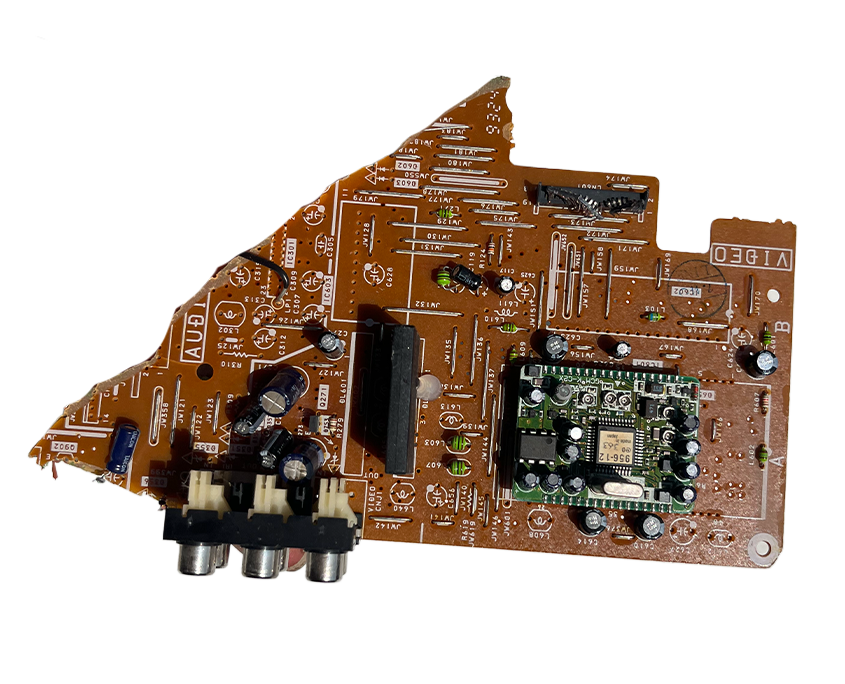
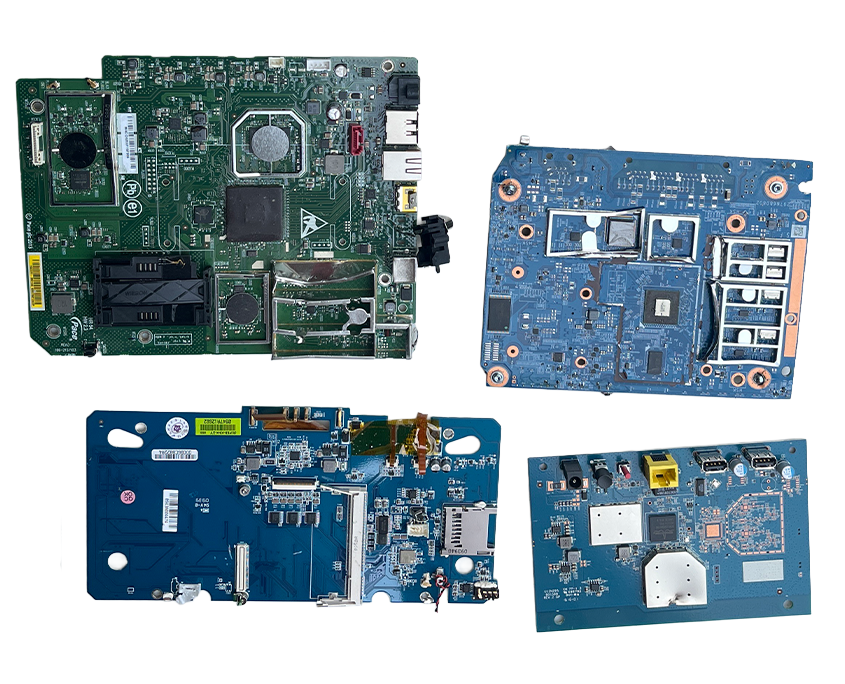
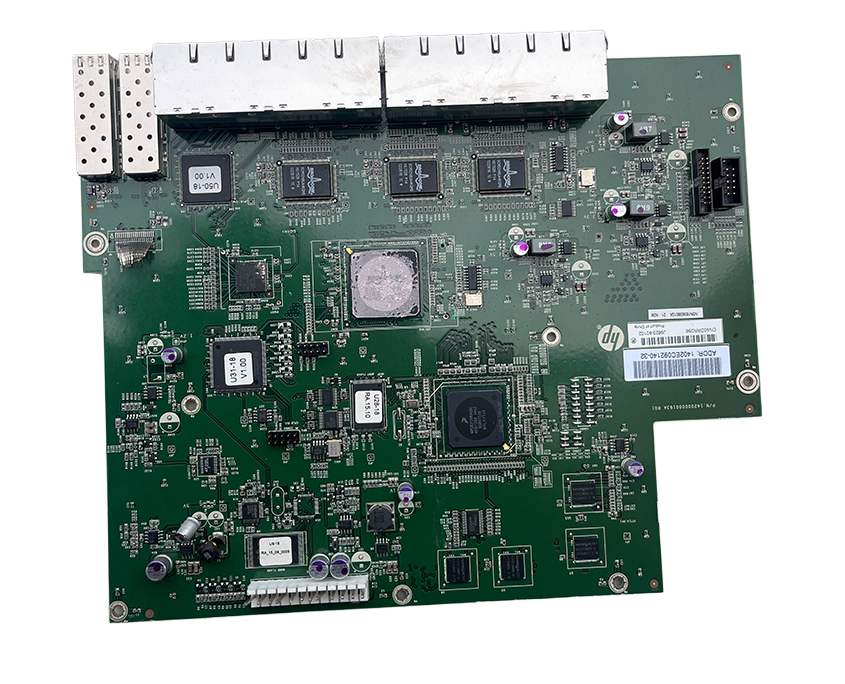
Telecommunications, electronics, and computer scrap contains the following kinds of circuit boards that recyclers want:

  • Aviation circuit boards
  • Military circuit boards
  • Tablet circuit boards
  • Cell phone boards
  • Telecommunications and networking equipment boards
  • Server and mainframe boards
  • Server and mainframe backplanes (pin boards)
  • Server and mainframe cards
  • Hard drive circuit boards (but no cases or platters)
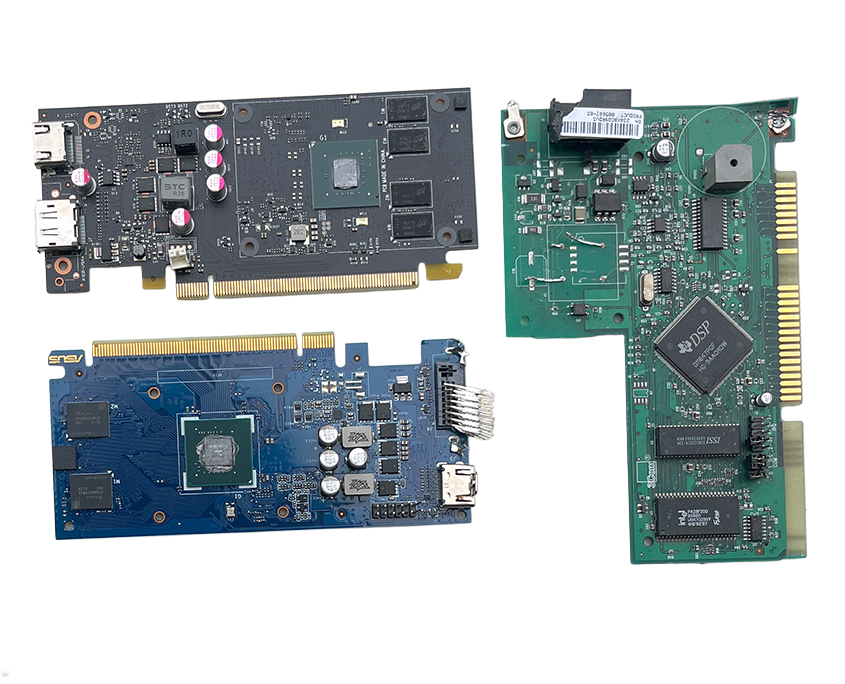
  • Daughter cards, such as expansion, video, and network cards, etc.
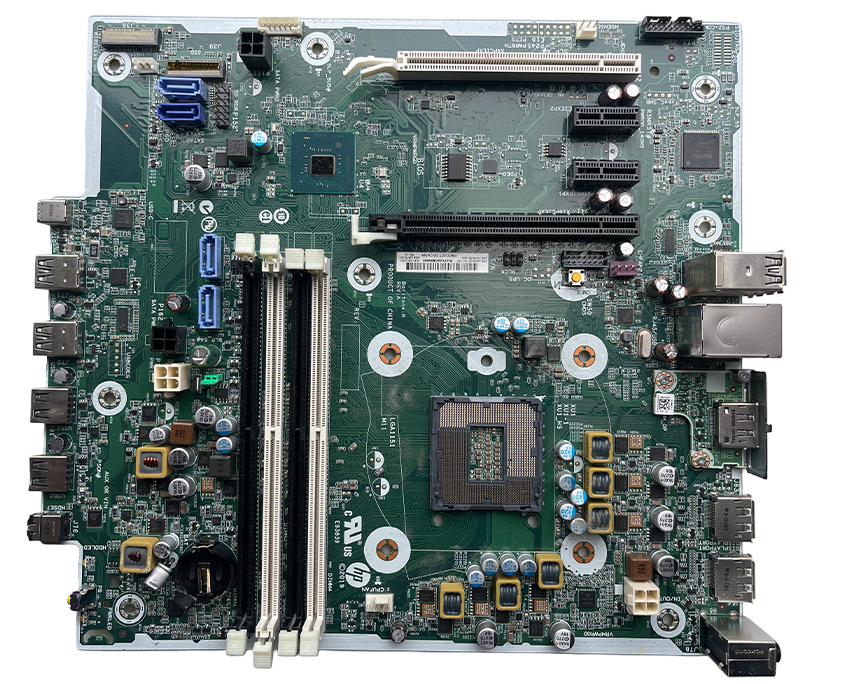
  • Desktop and laptop motherboards

Other kinds of circuit board scrap include:

  • Shredded circuit board scrap
  • Motherboard scrap
  • E waste-scrap
  • Electronic scrap
  • Printed circuit board scrap
  • Circuit board scrap
  • Computer scrap

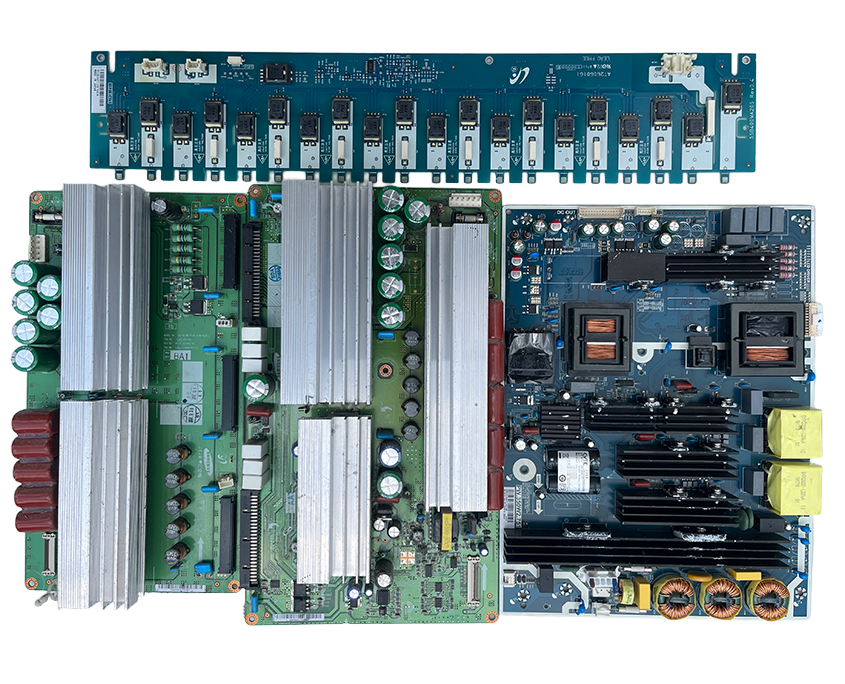
Recycling companies will likely only take circuit boards that do not have cadmium/beryllium, mercury switches or any batteries. They’ll also won’t want excess metal such as aluminum or copper heat sinks on the items they take in.

Advantage of Using a Recycling Company that Refurbishes Electronics

Some recycling companies may want to specialize in electronic recycling and computer board recycling and not want to deal with whole computers, monitors, hard drives, power supplies, or anything else at all.

But, if you find a company who refurbishes electronic items, you’re in luck because they will want all of the parts. They will not only want your computer CPU, monitor, and keyboard, but they’ll want the power cable, computer mouse, and any other accessories the owner used with it.

They’ll want all of your unwanted technological devices and even some of the batteries used. You can get rid of audio/video equipment, networking equipment, video game consoles, digital converter boxes, cable receivers, satellite receivers. They’ll want CRT, projection, flat screen, plasma, and console TVs too.

Electronics Recycling Laws

As of October of 2019, 25 US states had laws in place that mandated e-waste recycling statewide. Though passed in half of the states, these laws cover 65% of the population. Indiana, Illinois, Connecticut, California, and other states have also banned e-waste from landfills. Other states are working toward passing similar laws.

Conclusion

An astonishing 80% of technology items are tossed rather than recycled, even though they contain precious metals. Manufacturers are already running into shortages of the metals they need. Electronics are also filled with harmful toxins, and US states are passing e-waste management laws to correct the problem. Electronic recycling and computer board recycling is part of e-waste management. E waste management companies who also refurbish electronic items accept much more of the unwanted parts and accessories.

When it comes to electronics, we always need the latest upgrades and devices on the market. The production of these electronics takes a lot of labor and resources. All electronic devices contain chemicals and metals that can be harmful when introduced to the environment. Because of this, e-cycling electronics is important when they are no longer of use to us and are ready to serve their next purpose.

Many people choose to switch to electronic devices to conserve energy and waste. For example, using a smartphone to access a bank statement eliminates the need for several sheets of paper. While electronics do cut down on some waste, they are responsible for a different kind of waste. The electronics we love are starting to fill garbage dumps, and it is beginning to have an effect on the environment.

Unlike regular trash, waste from electronics needs to be disposed of properly and recycled. This helps to reduce environmental hazards, identity theft, and other issues. There are E-Cycling events that are offered so that you, and your community, can go to one location and recycle all of your old electronics that need specialized disposal.

How Much E-Waste Is There?

From computer scrap to old smartphones, the amount of e-waste people make is growing each year. According to this article, about 41.8 million tons of e-waste was generated worldwide, and that number grows annually by about 5-percent. Only 15 to 20-percent of that is recycled. While these numbers may seem small at first, remember that this includes a lot of bulky metal devices, such as washing machines, and small items, such as batteries, and each one impacts the environment.

The growing problem of e-waste can be addressed in a few different ways. First of all, computer scrap e-waste recycling should be a priority for both individuals and businesses. Recycling electronics is easier than ever before.

If you aren’t in a position to e-cycle electronics, there are still several things you can do to make a difference. The EPA encourages sustainable electronics management practices. No matter how often you or your business purchases electronics, you should consider:

  • Reusing working electronics
  • Donating older devices
  • Buying electronics from “green” companies

Recycling your electronic devices is the best option for businesses and individuals. Technology grows at a rapid rate, so it cannot always be reused or repaired. It is often more cost-effective to e-cycle electronics than to fix them.

E-Cycle Electronics to Reduce Hazardous Waste

The environment is very sensitive. Computer scrap contains hazardous waste and heavy metals that are released into the air, dust, plants, and soil near the site it was dumped. This can have several long-lasting effects on the area. Remember, every electronic device contributes to the hazardous waste problem, and it adds up. There are several studies about the environmental impact of heavy metals in heavy-manufacturing areas, such as China.

While a lot of electronic waste does end up in foreign countries, there is always a chance that you could be hurting your community. Many garbage collection services take your bags of trash to a local dump, rather than sorting it out. This means that your old laptop could be leaking battery acid and other chemicals into your backyard.

Because of the effects, e-waste has on the environment, and many states require businesses to recycle electronics. City ordinances often exist for recycling glass, plastics, cans, and cardboard, so it is already a habit most people are aware of and abiding by. Some areas will have a recycling strategy in place for your electronics already.

Even if your city doesn’t have an electronics recycling program, you should still check out the local laws before dumping your electronic devices in the bin. Throwing away computer scrap, dead laptops, old smartphones, and drained batteries could be illegal depending on your area. Remember, businesses may be affected by different laws than individuals; even if you aren’t fined for dumping batteries at home, it does not mean that your business won’t be.

Contacting an experienced computer scrap e-waste recycling service can help clear up any questions you may have about your responsibilities when discarding electronic devices. They can also walk you through the necessary steps to ensure your electronics are properly disposed of and the environment is protected.

E-Cycle Electronics and Conserve Resources

All electronics contain multiple components that can be reused. Many of these components actually take a great deal of energy to produce. For example, the small amount of gold in your smartphone had to be mined at some point. Recycling these materials doesn’t just protect the natural habitats the components were sourced from; it saves energy from the harvesting and manufacturing processes.

A typical laptop contains a combination of ferrous metals, non-ferrous metals, plastic, electronic boards, glass, copper, gold, silver, aluminum, and lead. These components can all be recycled, but not as a whole. The laptop needs to be correctly deconstructed and scrapped, allowing specific elements to be reused. Cables, for example, are stripped down to the copper so that the metal can be appropriately recycled.

While the process seems complex, computer scrap e-waste recycling centers are well-equipped to handle the job. By working quickly to disassemble and sort the components, they are able to save a great deal of energy and resources. This helps preserve the environment and reduces greenhouse gas emissions.

Your Electronics Contain Sensitive Information

Your computer scrap may no longer be functional, but that doesn’t mean it’s free of all data. Even if you completely wipe your hard drive before discarding it, there are still some ways people can recover all or part of the data. This makes you incredibly susceptible to identity theft, especially if you toss your old electronics in a garbage can or dumpster that strangers are able to access.

One of the easiest ways to prevent identity theft is to completely destroy the device and strip it down to its essential components. This goes beyond separating the hard drive from the rest of the computer. Once the computer scrap e-waste recycling process has begun, your old device is nothing like it once was. Every valuable component is separated from the original device and then processed.

You can easily ensure that every basic element of your device is reused in a completely different way or destroyed when you e-cycle electronics. This makes it impossible for others to piece it back together or recover any data.

A reputable company will provide you with a Certificate of Destruction that itemizes everything that will be destroyed during the process. This helps to give you peace of mind knowing that your information, data, and history are safe.

If you are worried about the process and want to track your hard drive every step of the way, you can. A reputable e-cycling company will understand the importance of showing your hard drive is entirely destroyed. CDJ E-cycling offers data destruction and serial tracking services, so you know your information is adequately protected.

Almost All Electronics Can Be Recycled

You would be surprised by how many things have electrical components. While it is essential to send more significant items, such as television sets, computers, and video game consoles to a recycling center, you can’t forget the little things.

CJD E-Cycling has a full list of different electronics that should be recycled. Some of the more surprising things on the list include:

  • Toasters, blenders, and other household appliances
  • Holiday lights
  • Cable and satellite receivers
  • Rechargeable batteries
  • Portable music players
  • Lamps and light bulbs

Because the modern home has several different electronic devices, a good rule of thumb is to bring anything with a cord to the recycling center. Every little bit helps the environment. If you bring devices that are unable to be recycled, we can take care of the disposal of those items as well.

The metal components of more significant components can also be harmful to the environment. Some of these items include:

  • Air conditioners
  • Lawn equipment and tools
  • Car batteries
  • Medical equipment
  • Metal furniture

Keep in mind that items that contain radioactive or hazardous materials, such as oil or antifreeze, require a different disposal process. Household smoke detectors, for example, have electronic components but aren’t accepted by a computer scrap e-waste recycling facility. Handguns and other fire hazards are also not allowed.

If you have any questions about whether or not something can be recycled, don’t hesitate to ask. In many cases, devices and appliances can have their components separated for recycling.

Some E-Waste Components are Valuable

Did you know that Americans throw away about $60 million worth of gold and silver each year? In one ton of cell phones, you can expect to find about 350 grams of gold. This might not seem like a lot, but it definitely adds up!

While the average person isn’t dumping a ton of mobile phones, the e-waste that they do produce still has a decent amount of value. Electronic waste is full of various precious metals. Even metals that seem very commonplace, such as iron, aluminum, and copper have value to them.

Taking your electronics to a proper recycling center ensures that these metals are being extracted and reused. In most cases, you can recycle these metals over and over again. This makes them more valuable than plastic.

When you e-cycle electronics, you are ensuring that these valuable assets are not going to waste.

Computer Scrap E-Waste Recycling Feels Good

Some people feel bad about using several different devices within a short time period. Often times, it can’t be helped. Technology becomes outdated or easily breaks, and it needs to be replaced right away. When you e-cycle electronics, it allows you to enjoy your brand new device, and you can feel a little better knowing that your old device isn’t ending up in some landfill. 

E-Cycle Electronics and Get the Most Out of Each Device

No matter how many devices you use, it is essential to get the most out of each one. E-cycling electronics extends the life of your devices. While the components are separated, they can be reused in a wide range of items.

Copper is an excellent example of how components can be reused. According to Copper.org, it is the most reused metal. The copper in your old electronics can go on to become automobile parts, currency, jewelry, or other cables. Computer scrap e-waste recycling helps to make that possible.

Computer Scrap E-Waste Recycling Has Never Been Easier

It’s no fun to think of all the extra steps you might have to take by recycling. When you e-cycle electronics, the process is relatively easy. In the past, you would have separated your electronics and driven them to a local recycling plant. If you had a large appliance, this could be a real hassle. Now, companies offer tailored pickup services that make the e-cycle recycling process as worry-free as possible.

The computer scrap e-waste recycling center will know the best ways to transport your electronics and appliances. They can help you secure your electronics prior to disposal and walk you through any additional steps you may need to take in order to recycle your devices properly. This means you will not have to worry about whether or not you deleted your hard drive correctly; the experts do it for you. You’ll save a lot of time just by working with an e-waste recycling company.

When you e-cycle electronics, you can also arrange for a company to pick up your recyclables at your home or business. You won’t have to lift your old refrigerator onto the back of a pick up truck or find a crew to move every outdated computer in your office to the center. Talk to an expert today and see how easy recycling your electronics can be.

How to Recycle Computer Scrap and Other Electronics

The easiest way to get started with computer scrap e-waste recycling is to contact a local professional. Our experienced company will be happy to walk you through the recycling process and answer any questions you may have. To learn more, please contact us today.

The term electronic scrap recycling (or e-scrap recycling) is used to refer to the industry where money is traded for old electronic devices and metals with the aim of refining and re-purposing them as precious metals. Of course, the types of scrap electronics that can be purchased will vary. As a result, the prices will vary also. As is the case with most industries, prices are determined predominantly by demand. Therefore, the higher the demand, then the higher the price paid to acquire the electronic scrap. As such, it is important for traders (namely sellers) to do some research to get an idea of what they are working with. Still, the old adage remains true, one man’s junk is another man’s treasure, and your old computer parts and other electronic and technology devices can earn you some extra money.

Read more

Circuitboards 0000s 0000s 0021 Gold Connector

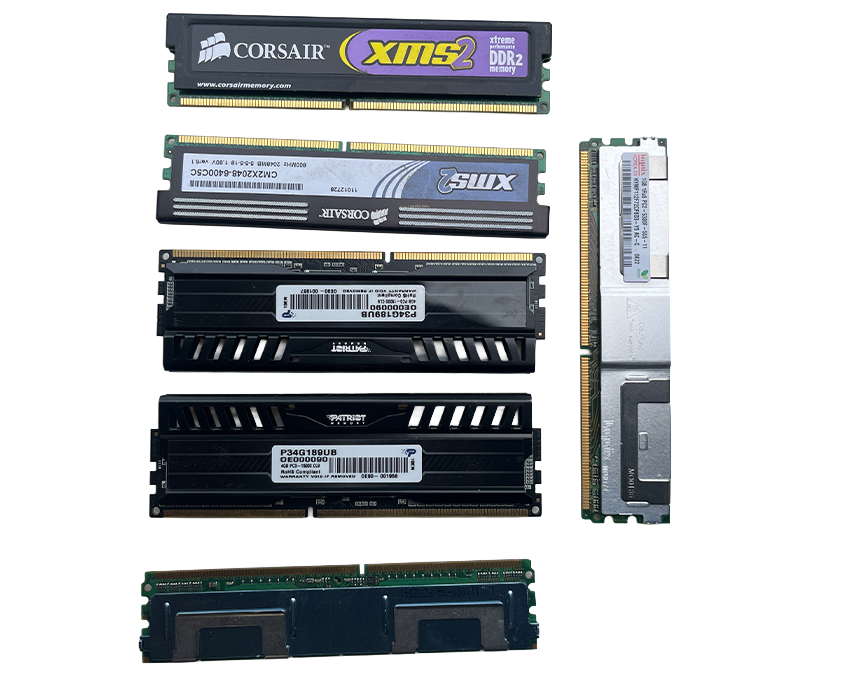
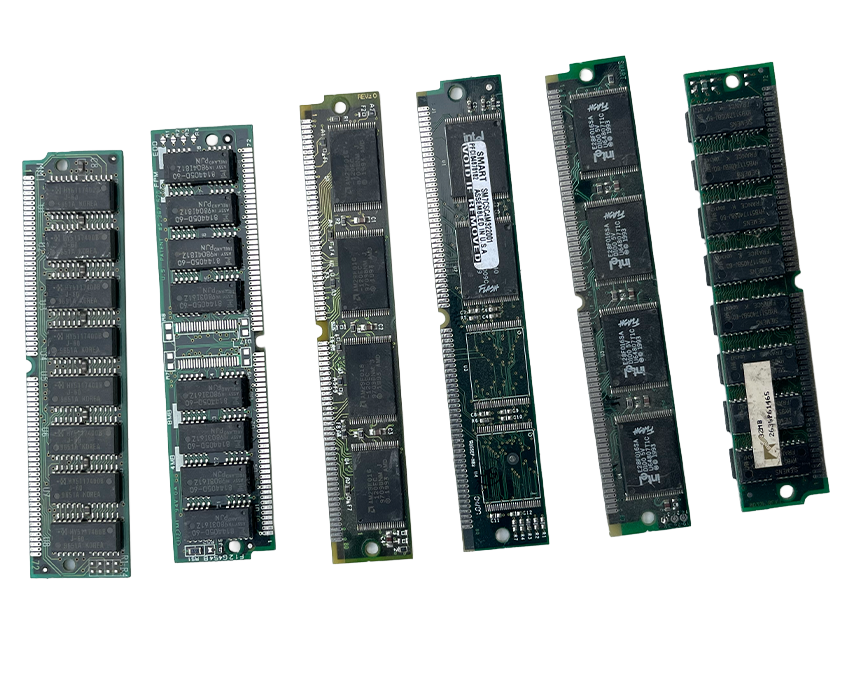
Circuitboards 0000s 0000s 0020 Gold Memory

Circuitboards 0000s 0000s 0019 Hard Drive Boards

Circuitboards 0000s 0000s 0018 High Grade Boards No Fe

Circuitboards 0000s 0000s 0017 High Grade Motherboard P1p3

Circuitboards 0000s 0000s 0016 High Mid Grade Boards

Circuitboards 0000s 0000s 0015 High Pci Card

Circuitboards 0000s 0000s 0014 High Power Board

Circuitboards 0000s 0000s 0013 Iseries Motherboards

Circuitboards 0000s 0000s 0012 Iseries Network

Circuitboards 0000s 0000s 0011 Laptop Motherboard

Circuitboards 0000s 0000s 0010 Low Grade Board

Circuitboards 0000s 0000s 0009 Low Grade Motherboard

Circuitboards 0000s 0000s 0008 Low Mid Grade Boards

Circuitboards 0000s 0000s 0007 Mid Network Boards

Circuitboards 0000s 0000s 0006 Mid Grade Board

Circuitboards 0000s 0000s 0005 P4 Low Grade Board

Circuitboards 0000s 0000s 0004 P4 Motherboard

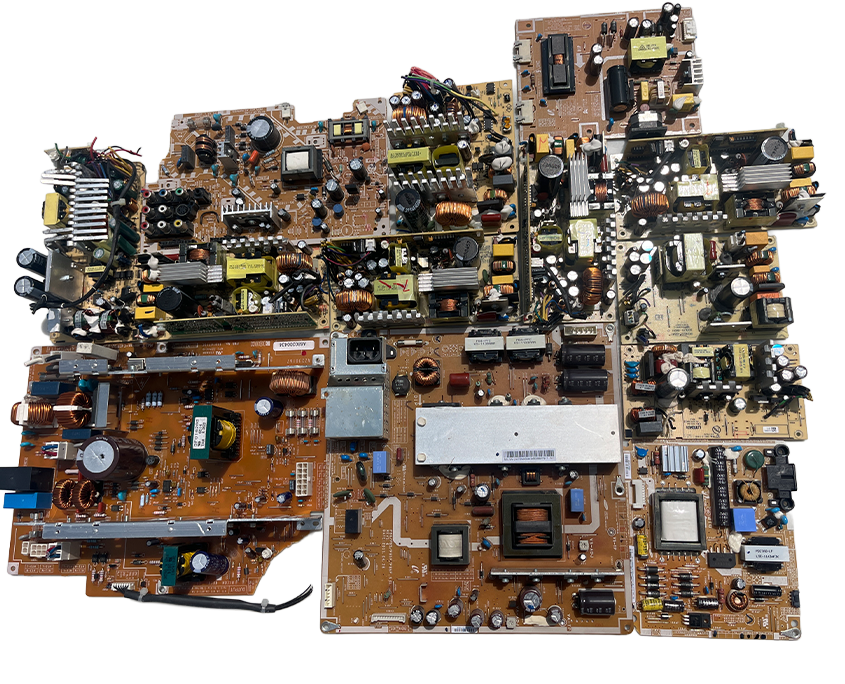
Circuitboards 0000s 0000s 0003 Power Board Green

Circuitboards 0000s 0000s 0002 Power Board Brown

Circuitboards 0000s 0000s 0001 Rambus Memory

Circuitboards 0000s 0000s 0000 Silver Memory