Tag Archive for: recycling

The future of technology is coming. It is not as far away as some thought it would be. We live in a time where the most advanced technological developments are happening right now, and they are changing our lives in ways that we never imagined. Some of these developments are smart home devices, which greatly impact modern life.

Smart home technology has come a long way from early microwaves and smoke detectors to the current smart home devices. From the revolutionary technology that is voice assistants to connected cars, smart homes are quickly becoming the norm. With various options available, it’s easy to see why homeowners have so many options now, such as Alexa. The first thing to understand about smart homes is that they don’t just consist of a house with smart home devices inside it. There’s so much more to it than that. They’re all about automating your day-to-day life and making your life easier by giving you more control over your home.

The Basics of Smart Home Devices

The smart home has primarily impacted our day-to-day lives in this current technological era. Whether it’s changing the way we schedule our days, or even catching you up on some news before you get home, AI assistants can help us in various ways. Smart home devices definitely have their uses, but they have their drawbacks as well.

Internet of Things (IoT) devices have been around for years, and the technology is still evolving. Devices like the Amazon Echo and Google Home, among others, have become common household objects for functions like light control. These devices can now do more than play music or read out your calendar appointments — they can do temperature control, door control, and all kinds of other tasks.

They can be integrated into your smart home and provide voice control over your appliances. With the introduction of AI assistants in our homes, we now have a new way to interact with our lives that can help us decide what we want to do while also integrating seamlessly into our daily routines.

What Materials Make Up Your Smart Home?

Smart homes are becoming more and more common in our society. This has led to a rise in demand for materials that can be used for smart homes. Materials such as wood, stainless steel, and plastic are among the most popular.

Materials such as these provide benefits like durability and ease of use, making them a popular choice for smart homes. However, they also have their downsides. For example, wood is a natural material, which means it requires maintenance to ensure that it stays looking good over time. Smart homes, by definition, also contain lots of electronics — Alexa and other IoT gadgets for various functions, including door control, are some examples.

The Benefits of Smart Home Devices

Smart home devices and materials are becoming a part of our everyday life, with people relying on automatic or wireless light control. These resources can help you improve your lifestyle by saving energy and simplifying tasks such as cooking, cleaning, temperature control, and home security.

Wireless smart light control, switches, and touch screens are perfect regulator interfaces in situations where you don’t want to break into walls for cable runs. Wireless lighting is often used for remodeling projects since it is less expensive than upgrading a wired system.

Smart home devices companies provide a new approach to bring intelligence to your home’s lighting and temperature control. Bathrooms, laundry rooms, garages, and closets, for example, are great for regions of the house that aren’t used as often as principal rooms. They provide you the freedom to create a uniform lighting system across your home.

Smart home devices enable you to switch on or off the whole house when you leave or arrive, quickly start a playlist in every room, receive notifications when unlocked doors demand your attention, and enjoy automatic light control, so you never return home to a dark house anymore.

The Drawbacks of Smart Home Devices

Smart homes are becoming an increasingly popular trend in the market. These homes are typically equipped with smart appliances and smart technology that makes them more convenient for their owners. However, the increased popularity of this trend has also led to some negative consequences. One of these consequences is using materials to make electronic devices for light control and other smart home devices, which is the challenge of depleting limited natural resources. Other downsides such as being environmentally unfriendly and difficult to recycle are increasingly picking up speed.

When and How Do You Recycle Smart Devices?

You probably have a container filled with functional smart-home devices that have become unusable due to the manufacturers’ failure to update their firmware. You can’t stand throwing them out in a landfill, but you are unsure how to recycle them. You are not alone; smart home devices’ garbage, sometimes known as e-waste, has grown considerably more prevalent in recent years.

Contact Recycling Programs

Information technology and door control devices are the biggest and fastest-growing industries on the planet. As people become more reliant on technology, they generate enormous amounts of electronic garbage (e-waste), necessitating the development of an efficient management solution for this kind of waste. New and improved smart home devices are introduced every day, rendering older equipment unhelpful, antiquated, and obsolete. Individuals dispose of obsolete equipment without reluctance to get the most up-to-date versions of the technology, including light control.

A good first step is often checking with the company that made your smart home devices. Here are the programs some of those manufacturers offer for recycling their products at the end of their usefulness:

  • Dell and HP collaborated with recycling facilities to improve the recycling of their gadgets.
  • Huawei has developed a worldwide device recycling program and expanded its product trade-in service. Huawei recycled more than 4,500 tons of smart device e-waste via its dedicated recycling plants in 2020.
  • You may be eligible for an Apple gift card if your iPad, iPhone, Mac, or Apple Watch is in good working condition. Even if it’s broken, the Apple Trade-In program allows you to recycle it for free.
  • Kindles, Alexa devices, and other Amazon-branded gadgets may be recycled for free via an Amazon-partnered third-party recycling program. Amazon also has a Trade-In program you might be eligible for.

You might also be able to find a local e-waste recycling center. If you live in the St. Louis area, you should check out CJD E-Cycling. We take a wide variety of devices at the end of their life cycle. If you have any questions about whether we can take your smart home devices, feel free to contact us.

Recycling Smart Home Devices

Some people thing smart home devices for light control or door control are a waste of resources and a potential health hazard. They contain hazardous materials that can cause harm to the environment and human health. If you have any electronics such as Alexa that you no longer use or need, it is important to recycle them instead of throwing them away.

This will help reduce the amount of electronic waste globally and save resources. Electronic waste from temperature control devices is a huge problem we’re facing today. This waste includes old cell phones, laptops, and light control devices. There are many reasons why this waste is so prevalent. One reason is that it is easy to dispose of something by throwing it away and not thinking about the consequences.

The other reason for the increased amount of electronic waste is that people are becoming more and more dependent on their devices as they use them more often for work, entertainment, and communication. We should be looking at ways to recycle electronics such as automatic light control tech instead of just throwing them away. This will reduce our carbon footprint and save resources for future generations.

The environmental impact of smart home devices is a rapidly growing concern. However, not all devices are made with the environment in mind. For instance, many of today’s homes have only one or two smart home devices because they are often costly and complicated to replace. This is where recycling comes in. It’s essential to think about how you can reduce the environmental impact of your home door control electronics while minimizing cost.

For a variety of reasons, e-waste recycling is a critical worldwide problem. It has a significant impact on our immediate surroundings as people, as well as life on Earth in general. It even offers substantial economic benefits to individuals, communities, and even countries.

Four Benefits of Recycling E-Waste

  1. To protect the environment.

E-waste recycling may help keep various hazardous products out of landfills, including door control products. When fluorescent tubes and lamps are discarded in landfills, poisonous mercury may leak into rivers. However, when lighting is recycled, the mercury is collected and safely reused in items like dental amalgam. Batteries, including lead, mercury, or cadmium, are no exception.

  1. Save Landfill Space

A rising amount of door control electronic garbage is dumped in landfills every year. This issue is not just common in the United States, but it is rapidly expanding over the globe. Putting e-waste in landfills causes a slew of environmental problems.

  1. Save Natural Resources

Mining metals necessitates plenty of difficulties and work. Aside from mining, the cost of refining metals and converting them to valuable forms is also relatively high. The requirement to produce and refine raw metals is reduced due to the extraction and salvage of metal from outdated smart home devices, including temperature control.

Aluminum and copper wires and other components of electrical gadgets may be reused several times. Little to no material is wasted by repurposing them in other electrical gadgets. As a result, the requirement to mine, extract and produce additional metal decreases.

  1. Create New Business and Employment Opportunities

The existing e-waste collection and recycling issues provide considerable potential for cutting-edge research and development and novel business models for long-term solutions. Proprietors have created micro-factories that smash e-waste and remove its valuable components. They are then warmed in a tiny furnace. Its revolutionary and portable design makes transporting it to the garbage site inexpensive and straightforward, making e-waste recycling considerably more affordable and accessible for door control systems.

E-Waste Recycling Process

Step 1: Back Up

Begin by backing up your device’s and any memory cards’ data. This usually entails uploading your images, contacts, and other personal information to the cloud or a home PC.

Step 2: Collection

Smart home devices may be collected through recycling bins, drop-off sites, take-back programs, or on-demand processing systems. After that, the mixed e-waste is sent to specialist electronics recyclers.

Step 3: Storage and Manual Sorting

Different gadgets are segregated for their processing during manual sorting. Some devices may also be physically deconstructed for components, repurposing, or the extraction of precious elements at this point.

Step 4: Mechanical Separation

The mechanical segregation of various materials comprises multiple operations that are carried out one after the other. Magnetic isolation and water separation are the two most important phases.

How to Inspire Adoption of E-Waste Recycling Practices

  1. Design Better Products

Manufacturers of smart home devices, including door control machines, must create safer, more robust, salvageable, and biodegradable devices to decrease e-waste. Above all, this entails the use of less harmful materials.

  1. Extended Producer Responsibility

Extended producer responsibility mandates that manufacturers be accountable for the management and disposal of their goods at the end of their useful life. The concept is to recycle waste resources and create new goods.

  1. Better Recycling

India and China are exploring methods to merge the informal and official recycling systems to decrease health and environmental risks while retaining the informal recycling system that sustains many people. One method provides financial incentives to informal recyclers who transfer e-waste, including door control, to professional collection or recycling sites. They may, for example, be paid more to transport cathode-ray tube screens to a formal collecting center than they would be paid to dismantle them by hand.

  1. Engage Smart Tools

Using tools that can monitor your sustainable habits can provide you with recycling statistics and track your reuse activities. Before you can utilize one of these Alexa Skills, you’ll need to know the weight in grams of each item you’re recycling. This talent will then inform you how much energy you saved and what you might do with it, such as operating a light bulb for 30 minutes or a table fan for three hours. It will also keep track of your overall recycling quantity.
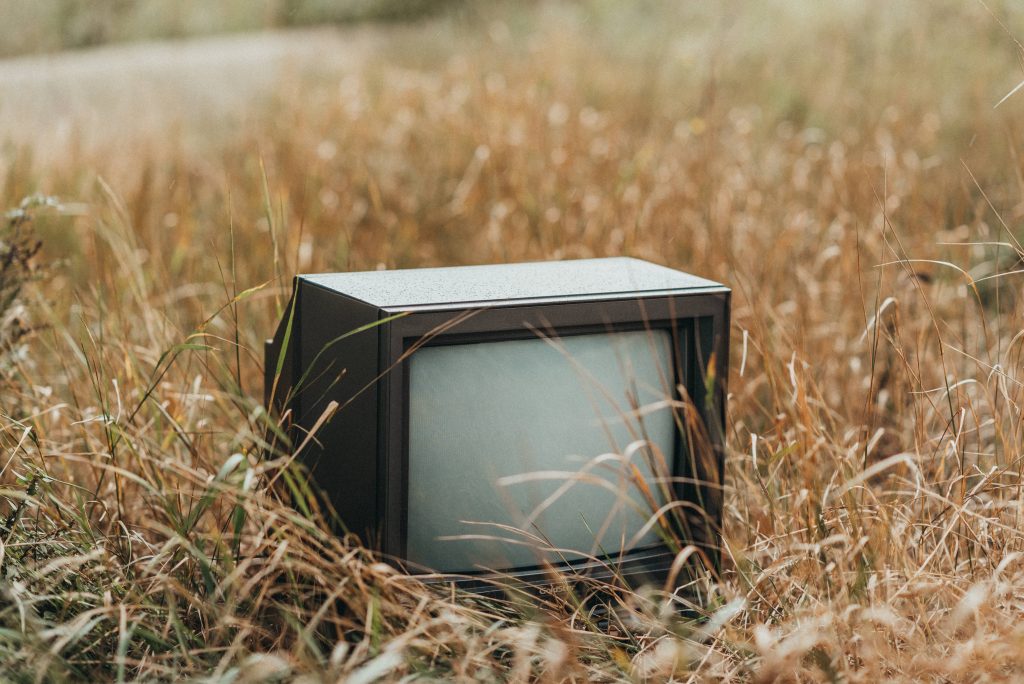
A CRT TV in a field looking for someone who takes old TVsOld TVs can take up a huge amount of space in your home. If they’re big and bulky, you only have so many spots where you can store them. When it comes time to upgrade, you don’t want to waste precious storage space on a defunct TV. You’ll definitely be looking for television disposal options in your area, seeking out someone who takes old TVs. Since you’re desperate to get rid of the junk, you might think there’s nobody who takes old TVs — you don’t want them, so why would anybody else?
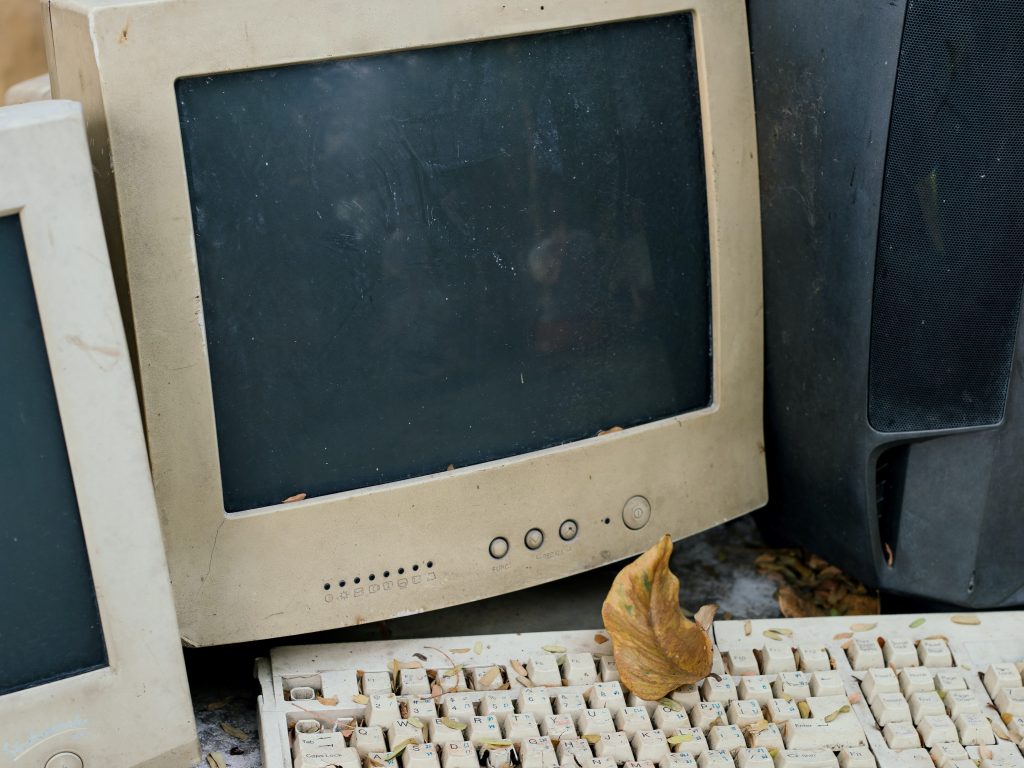
Turns out, a lot of people take old TVs. Granted, you’ll have to find the right people, but you should have plenty of options for television disposal. There are some steps you’ll have to take to find those people. We’ll help you with the preliminary ones in this post. First, you’ll need to understand enough about the market for old TVs that you can identify people who might want your reject monitor to actually use. If your TV doesn’t work, though, you’ll have to skip that step and go straight to the more traditional television disposal methods. We’ve got important information about how to do that right (and wrong) toward the end of this post. No matter how you’re going to get rid of your old TV, you’ll need to know what kind of TV it is to accurately assess your options. We’ll help you with that in a later section. 

All that said, let’s get started. First, let’s jump into why people want to get rid of old TVs in the first place.

The Problem with CRTs

Why so many people are in search of television disposal shouldn’t be hard to figure out. You can pretty much get the gist of it just from looking at them. A CRT TV is insanely heavy — the bigger ones can weigh as much as 160 pounds. That means they also take up a lot more space in people’s homes. If you have to have a really deep table to put your TV on, that’s going to limit your decorating possibilities. That weight and heft is also going to make it harder to move things around, making them further unappealing. 

Plus, this technology is dangerous to produce and properly get rid of. That’s one of the reasons why television disposal services are specialized and you shouldn’t just leave your old TV out at the curb. That danger comes from the components of the CRTs. CRT stands for cathode ray tubes, and those are tricky to handle properly. These sorts of TVs also contain a whole lot of lead, which we know can be dangerous.

With all these problems, it might be hard to imagine finding someone who takes old TVs. Never fear. In addition to television disposal services, there are actually a lot of people who are on the hunt for a specific kind of old TV and would be more than happy to take them off your hands. You might even be able to sell your old TV for a pretty good price if you know who your market is. Let’s get into more specifics on who takes old TVs in the next section.

The Modern Demand for CRTs

So, who are all these people clamoring for the type of TV you’ve had gathering dust in your basement for the past ten years or more? Most of them are nostalgic gamers. Believe it or not, the old CRTs actually have their benefits. Some people who like to play video games from the ‘90s and ‘00s prefer the picture quality of old CRTs to modern screens. Many of them would be distraught to hear that you’re searching for television disposal options for your classic CRT.

If you can find one who takes old TVs, then they’ll be happy to explain the minutiae of why a classic game can only be properly enjoyed on the TV you were set to take to the dump. We’ll endeavor to just get you the basics here. It has to do with how the picture was constructed on these old TVs. There are horizontal lines of resolution all across the screen of a CRT. Most of them have 240 of these lines total. These are created by an electron gun shooting electrodes at the inside of the screen while a piece of metal blocks certain parts. The phosphors that aren’t blocked get lit up a pixel at a time and create the image on the screen. 

Since vintage video games were created for this type of resolution, many argue that they look and perform better on a CRT monitor instead of a modern flat screen.

How to Tell if it’s a CRT

All that demand sounds pretty good if you’re looking for someone who takes old TVs. But before you can start advertising your old monitor, you’re going to have to know if it actually is a CRT. There are some pretty easy ways to tell; they’re not exactly subtle.

First, you’re going to want to consider the general size and shape of the TV. CRTs are visually very different from flat screens because of the way they jut out in the back. If the TV is very deep with a lot going on behind the scenes, then it’s likely a CRT. 

If you’re still not sure, you can perform a little test. The screens on CRT and modern LCD TVs are pretty different, so take a gentle tap on the screen of your monitor. Was there any give to the screen? Or was the glass completely unforgiving? CRTs have that hard, unyielding glass, whereas the screens of more modern TVs have a bit of bend to them.

Another way to tell is simply by figuring out when you bought the TV. If you got it new after 2010, it’s almost assuredly not a CRT. They were mostly phased out in the mid-’00s. You can still find someone who takes old TVs that aren’t CRTs, but you’ll probably need a television disposal service. There’s not much nostalgia for LCD screens.

Who takes old TVs, CRT or otherwise?

If you can’t find a gamer who’s dying to take a CRT off your hands, or if you’ve just got a defunct flatscreen from 2011 or something, then you’re going to need to find a different kind of television disposal service.

Who you can find to take your TV is going to depend on the functionality of your old TV. An electronics recycler is someone who takes old TVs, but you might want to try other options before you get to that point. If your TV still works, there might be a charity or other organization nearby that would benefit from a TV. Think schools, libraries, or other places that might have a use for technology but not much funding for it. There’s always Goodwill, too. You can always call and ask if there’s someone who takes old TVs. Going to an organization before just junking your old television is a great way to make sure that it’s getting all the use it possibly can before you dispose of it.

When donating to an organization that needs a TV isn’t possible, then you should turn to electronics recycling. Check to see what their rules are about recycling CRTs before you load up the car — since they’re so cumbersome and potentially dangerous, electronics recycling centers will often charge a fee to recycle a CRT TV. However, there are also often recycling events that will take CRTs off your hands for free. Inquire with your local electronics recycling facility. 

What does the television disposal process look like?

When recycling CRT monitors, the television disposal process is fairly complex. Facilities have to manually take the shell of the TV off in order to expose the cathode ray tubes before they can even think about any other television disposal steps. Then, they can access the tubes, panel glass, electron gun, wiring, and electronic chip boards. They separate each of those components. Separating the different types of materials helps make the recycling process smoother. Each type of material has a different recycling process.

Inside that glass tube is a vacuum seal, which is one of the reasons a recycler who takes old TVs needs to be extra cautious. If they don’t do their job right, the tube might implode. They usually have specialized equipment take the tubes apart to avoid catastrophe. Then, potentially hazardous materials in the tubes, like phosphorus, have to be removed before they can recycle the glass.

Once the recycler who takes old TVs has gotten all that done, the different components are treated pretty much exactly like any other electronic waste. They usually get shredded. Then, all the different metals like iron, steel, aluminum, and copper can get separated out through various methods. Magnets can be an effective tool at this stage. The rest is mostly glass. If it’s leaded, it might go on to make new screens, or the recycler might send it to a smelter so the lead can be used in other applications. Batteries are a popular option. Whatever the next life of your old TV is, all the different elements are refined at another plant and then sold to a manufacturer. So, when you choose recycling, television disposal isn’t really disposal at all. It’s giving the components of your old TV a new life.

Don’t just put them out at the curb.

It’s important to keep old TVs out of landfills because they can contain some dangerous materials. We don’t want all that lead and other chemicals getting into our environment. That’s why it’s important to find someone who takes old TVs and disposes of them properly. If your idea of television disposal starts and ends with the dump, then you need to expand your options. 

Check the recycling laws where you live. Some states have more restrictive regulations than others, but lots of places have protections in place to prevent potential toxins from getting into our air and water. That means it might be illegal to put your TV out for the trash — remember all that lead in a CRT? You don’t want that getting out into the environment, whether it’s legal or not, so it’s especially important to make sure you’re disposing of the old equipment responsibly. 

We know setting a heavy, unwieldy TV out at the curb seems like the simplest option, but it’s not the best one. We’ve laid out a pretty solid case for several other forms of television disposal, and we hope you’ll at least consider them. 

Now you know who takes old TVs.

Before you started this piece, you might have thought that your old TV was just junk that nobody in their right mind would take if you paid them. Now, you know there’s a sizable second-hand market out there for CRT TVs. You’ve got the tools to identify that type of television if you come across it, and you know who to look for to take it off your hands. You might even make a little money off it if you play your cards right!

There might also be places in your community that would benefit from an extra TV, even if they’re not the latest technology. We discussed contacting schools, libraries, and similar institutions to see if they’d be interested in getting a new screen, and that’s definitely an option for television disposal that gives the device a new life. You might not get any money, but you’ll get the satisfaction of helping out.

If selling or donating your TV isn’t an option, now you also know that you can look into electronics recycling services as a form of television disposal. You’re also well aware of what happens to a TV once you drop it off at an electronics recycling center.

The bottom line is, finding someone who takes old TVs isn’t that hard when you know where to look. Now you’ve got the knowledge to go out there and get rid of your old TV in the right way.

Solar Panel Recycling 101

Solar power has been exploding in popularity in recent years. These days, when people think about how to dispose of electronics, solar panels need to be factored in. They’re touted for their sustainability, but to be truly earth-friendly, they need to be responsibly recycled at the end of their usefulness. That’s where solar panel recycling comes in. It’s the logical way to make sure solar panels are as sustainable as possible. 

As we continue to move toward more renewable energy sources, solar panel recycling will only become more important. Solar power hasn’t been widespread for all that long, and as such, there aren’t too many panels that have reached the end of their lives and need to be properly disposed of. But that’s a problem that will continue to grow as solar panels become more and more popular.

Here, our goal is to dive into how solar panel recycling works. We’ll get into all the steps in the process, the challenges it faces, and every other aspect of those sorts of programs. Let’s jump right in.

How do solar panels work?

Before we can describe how to dispose of electronics like solar panels when they stop working, we need to understand how they work in the first place and what happens when they break down over time. 

Ever heard of photovoltaics? It’s a scary-looking word, but we promise you’re probably more familiar with it than you think, and there’s nothing to be afraid of. Photovoltaics, or PV, is just one of the most popular solar power technologies. It’s used in most solar panels. The PV cells in a solar panel take the energy from sunshine and create electrical charges with it. An electrical field within the PV cell causes those charges to move, and that’s how electricity starts to flow. 

Those PV cells are linked together in larger units — that’s how you get whole panels out of single cells, since each cell only produces 1 or 2 watts on their own. If there’s a large power need, the panels can also be connected, and then they’re attached to the electrical grid. Solar power can be modified to suit small residential needs or large community ones because of this modular setup.

That’s a super simplified explanation of solar panel technology, but it’s a good jumping off point for everything to follow. You can’t know how to dispose of electronics without knowing how they work and what they’re made of.

Why do we have to replace solar panels?

Now that we have a baseline knowledge of PV cells and how they generate electricity, we can look into how they degrade and fail over time, leading to the necessity of solar panel recycling.

The reasons solar panels fail can mostly be chalked up to regular wear and tear. Like anything that sits outside for decades, they’re going to take something of a beating. Due to weather conditions and other factors, they can degrade as much as 3 percent every year, producing less and less electricity over time. There are other things that can cause problems, though. One of them is potential induced degradation, which happens when those different parts of the same solar power system are at different voltage potentials. That can lead to electrical current leaking, and that messes with the sodium ions in the glass.

We’re simplifying things, but that’s the gist of it. Solar panel recycling is necessary because different environmental factors mean that the panels break down over time and stop producing as much electricity. When that time comes, you’ll need to know how to dispose of electronics.

How long does a solar panel last?

Solar panel recycling is only necessary when the solar panels quit generating power, so it makes sense to start with how long they last before that recycling process is necessary. Solar panels generally last between 20 and 30 years, but that’s just a rule of thumb. You’ll need to monitor the electricity output to be sure of when your solar panels actually need replacing. It could be longer than that 30-year benchmark, especially if they’re high-quality panels. Don’t make the mistake of solar panel recycling too early and missing out on some useful years of solar power. You don’t need to know how to dispose of electronics if they’re still working, and the same thing goes for solar panels.

Like we said in the last section, environmental factors are going to be the main determinants of how long a solar panel lasts. For example, couple harsh winters with snow melting and refreezing on the frame of a panel can bend it, causing failures and degradation. 

Why is solar panel recycling important?

If you have solar panels, you’re probably already fully convinced of the importance of renewable resources, so you probably don’t have too many qualms about recycling. In fact, we’d venture a guess that you don’t need us to convince you of solar panel recycling’s importance, and you’re probably already very aware of how to dispose of electronics responsibly. Even still, solar panel recycling is going to grow exponentially in importance in the next few decades. We’d like to give you some sense of the scope of that growth.

The International Renewable Energy Agency expects “large amounts of annual waste” from defunct solar panels by the early 2030s. By 2050, the US could have as much as 10 million tonnes of solar panel waste. If the recyclable raw materials from solar panel waste worldwide in that same time period is fully utilized, it could be worth as much as $15 billion. That’s a big incentive to make solar panel recycling as accessible as possible. 

What are the steps in solar panel recycling?

Solar panel recycling is similar to any other recycling process. First, the solar panels need to be collected at the recycling center. Since solar panel recycling isn’t all that widespread yet, you might have a little difficulty finding a recycling facility, depending on where you live. Definitely check with electronics recycling companies in your area about if they take solar panels, and if not, you can ask if they know of any other centers that do. They’re experts in how to dispose of electronics, so they should be able to answer any questions you have that we miss.

After collection, the different components need to be separated out and sorted. Solar panels can be silicon based or thin-film based. Both can be recycled; they just have a slightly different makeup of materials. Solar panel recycling usually takes one of two forms: Mechanical recycling or chemical/thermal recycling.

Mechanical Recycling

This form of solar panel recycling physically separates out the different components of the solar panel. The aluminum framing can be removed, and then the rest is sometimes ground up into a composite mixture called glass cullet. Builders can utilize this material in some projects. More advanced mechanical recyclers can separate out the wiring and silicon using special machines, but on the whole, this sort of process isn’t very precise.

Chemical Recycling

Rather than separating out a solar panel’s different components mechanically, this sort of procedure uses chemical processes to sort things out. This occurs at the molecular level, so it’s definitely a lot more complex and precise than the mechanical separation process.

Refurbishing

There is one more way to make use of solar panels once they’ve exceeded their initial lifetime. For some purposes, refurbishing old, suboptimal solar panels makes a lot of sense. That way, you never even have to worry about how to dispose of electronics, you just reuse them. The problem, though, is that they aren’t going to generate enough power for heavy use. If you just need a solar panel to power a road sign or something simple like that, though, refurbishing instead of recycling might be the way to go.

Where can I go to recycle solar panels?

In the U.S. today, most solar panel recycling happens at general glass recycling centers. However, this isn’t the ideal place to recycle your solar panels. This is because they’re specifically glass recyclers, and solar panels contain a lot of other materials. They’ll sometimes also recycle the metal frames, but they mostly discard any components that aren’t glass. That’s a shame because there are lots of other recyclable elements to solar panels — plastic and aluminum components can definitely be utilized again. Sometimes, solar panels are considered hazardous waste and have to be disposed of that way. These aren’t great options.

The good news is that there are growing opportunities to make sure no parts of any solar panels get dumped in a landfill. The only hard part is finding them. You can start by reaching out to the company that initially made your solar panels. Lots of them have recycling programs in place for their products, and even if they don’t, they might be able to point you in the right direction.

You can also check with electronics recyclers in your area. They already know how to dispose of electronics in an environmentally friendly way, so they might also be able to recycle your solar panels. 

What difficulties are there in the solar panel recycling process?

One is simple accessibility. If there’s not a place equipped for solar panel recycling in your area, then you’re not going to be able to take advantage of those programs. A compounding factor here is that not all electronics recycling companies will accept solar panels. They know how to dispose of electronics like TVs and microwaves, but they’re not equipped to handle solar panels. The lack of readily available solar panel recyclers is definitely one of the top difficulties in the process.

Then there’s the issue of publicity. How many people are aware that solar panels can and should be recycled? Probably a lot less than those who know to look for a recycling can for their soda cans and water bottles. As our current solar power infrastructure ages, it’ll be important to educate everyone on the benefits of solar panel recycling.

The other difficulties aren’t as obvious. Recall that solar panels are made up of a lot of different components. You’ve got glass, plastic, and metal, which are all easily recyclable on their own, but the hard part is separating out those materials. Having the capabilities to recycle each element in its own way is not attainable for many recyclers, even if they’re aware of how to dispose of electronics. 

Another hurdle to keep in mind is the silicon solar cells within solar panels. They’re not recyclable in the same way that the glass or metal is. To reuse the silicon and metals within them, a specialty company needs to melt them down and harvest the individual materials. That’s not something most recyclers are equipped to do. 

Knowing how to dispose of electronics needs to include solar panel recycling.

Solar power is more than just an excellent Lorde album. It’s one of the growing sources of sustainable energy in the world today. As such, solar panel recycling is going to become a big concern in the coming years. 

As our current solar power infrastructure ages and new technology is developed, it’ll be increasingly important to know how to dispose of electronics like these in an environmentally 

conscious way. It’s not enough just to focus on recycling electronics like computers and TVs — bigger, newer, more complex items need to be properly disposed of, too. That includes solar panels.

There are various ways of accomplishing this important task. We detailed the different methods of how to dispose of electronics like these: Mechanical, chemical, and refurbishing. We also went over how to find a place that offers these services in your area, and we talked briefly about the kinds of problems they face when working out how to reuse your defunct solar panels. 

This is a rapidly growing industry that’s going to need real solutions in the near future. Hopefully, now you’re confident you know how to dispose of electronics like solar panels when the time comes.

At this point, we probably shouldn’t have to tell you that we’re big fans of recycling. We’ve been so enthusiastic about the benefits of recycling e-waste that you’re probably well aware of most of the big ones by now. Plus, recycling is kind of a general no-brainer these days. Most of us have heard plenty about the benefits of reducing the amount of waste we generate, and many people have been conscientious recyclers for years, if not decades.
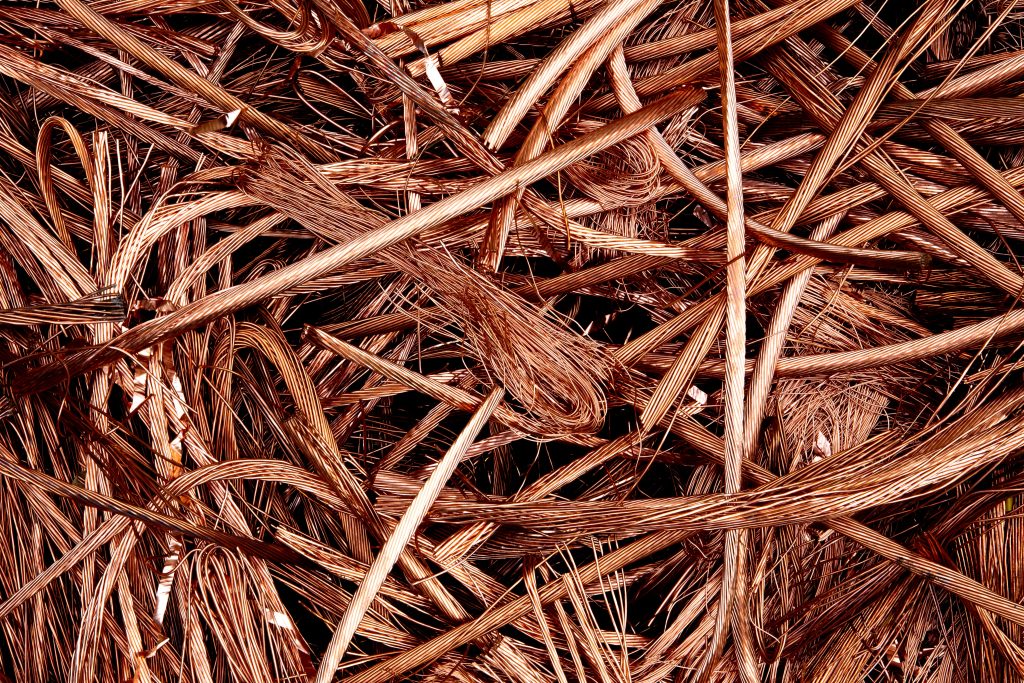

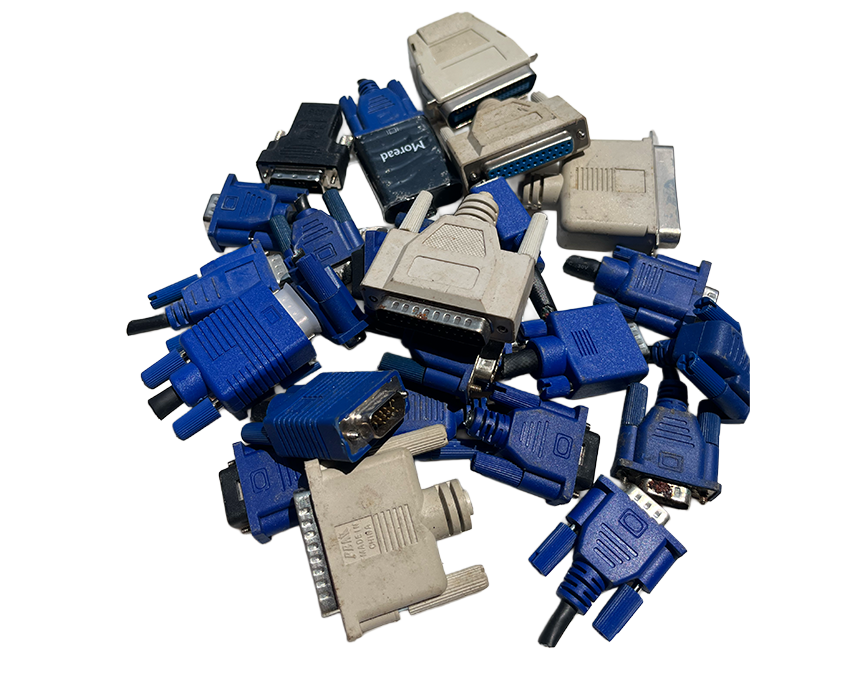
All the same, we’ve put together even more reasons why you should be just as excited about computer scrap e-waste recycling as we are. In fact, we rounded up seven top benefits of recycling e-waste to persuade you that it’s the right way to go.

The following points are all the reasons why we think you should gather up all the electronic junk gathering dust in your life and drop it off at your nearest electronics recycling center. The benefits of recycling e-waste are wide-ranging and far-reaching, covering both local perks and worldwide pluses. Hopefully you can find at least one that will motivate you to recycle your electronic waste.

1. Help the environment.

We’ve already spoken at length about the environmental benefits of recycling e-waste, and for good reason. This is the top motivator for recycling e-waste for a lot of people and organizations. When you look at how damaging the alternative can be to the environment, it’s easy to see why. We’ll keep this section fairly brief for your sake, but let’s dive into a few specifics.

Reuse resources.

Many of the components used to make electronics have to be mined. That’s not a very environmentally friendly process on its own. Now, add to it the fact that these are finite resources, and the necessity of computer scrap e-waste recycling becomes quite clear. There will come a point where there simply isn’t any tin or copper left to mine. Recycled electronics are a great way to get these resources — for example, you can recover as much as 35,274 pounds of copper from every million smart phones recycled.

Reusing these resources not only preserves the existing ones still left to mine, but it also uses less energy. It’s far more efficient to repurpose those existing materials instead of extracting new ones.

Plus, not all resources recovered from dead electronics are used to create new ones. They can find new life in other types of products. For example, the plastic from smart phones can be used to make new lawn furniture. The metal can also be transfused into car parts. 

Some resources are more prevalent in electronics than others, and the market’s needs are always changing, but it’s definitely safe to say that reusing materials from existing electronics is definitely one of the major environmental benefits of recycling e-waste. 

Reduce pollution.

It shouldn’t come as a surprise that if you’re not partaking in computer scrap e-waste recycling, you’re letting it sit in a landfill for virtually forever. What might be more surprising, however, is how many toxic chemicals a lot of e-waste contains. Lead is very common in electronics — CRT monitors, for example, can have literal pounds of it. You don’t want any of those types of harmful substances getting into our air or water supply. Keeping electronics out of landfills is one key way to do just that.

It’s also important to point out that to have the best environmental benefits of recycling e-waste, you need to donate your items to a reputable center. Some computer scrap e-waste recycling centers will ship your items overseas where they’re not disposed of properly. To get at the valuable metals within the components, they’ll sometimes burn up the plastic, which releases really harmful toxins into the atmosphere. There are also human costs to these kinds of unethical practices. Many overseas electronics recycling centers have their workers disassemble the devices by hand, and those workers sometimes include children. 

This all means that it’s important to do you due diligence for a lot of reasons, both ethical and environmental. If you’re really motivated by reducing pollution, you can definitely find a recycling center that gets the job done the right way.

2. Declutter your home.

If you’re in need of more self-centered benefits of recycling e-waste, we’ve got a great one for you. Most of us have some kind of drawer or cabinet or disorganized pile of old electronics. It’s ugly, it’s annoying, and it takes up valuable space. One of the big benefits of recycling e-waste is that it gets all those annoying cords and screens out of your way, freeing up space for different junk. 

Sure, this isn’t one of the benefits of e-waste recycling that’s going to change the world. Cleaning up and organizing your space isn’t something that’s revolutionary, but it’s a definite plus for many people seeking out computer scrap e-waste recycling. Especially for those who live in small spaces, having extra, unusable items around your home is nothing but a nuisance. If you can’t use your electronics anymore, the best place for them is an e-recycling center. Computer scrap e-waste recycling is a great way to reclaim your junk drawer.

3. Help those in need.

These sorts of programs aren’t computer scrap e-waste recycling in the most traditional sense. However, they’re still valuable ways to give old electronics a new life. Some e-waste recycling centers will try to refurbish or repair the devices they receive before scrapping them entirely, and if the electronics can be salvaged, they’ll donate them to classrooms or other programs that are in desperate need of electronic devices.

The “digital divide” is growing more and more steep. Especially with the recent need for online schooling, students need more access to these types of devices than ever before. Plus, many jobs require digital-based skills of some sort. It’s vital to get electronics in the hands of people who need them most.

Since these opportunities are less obvious forms of computer scrap e-waste recycling, this might be one of the least-known benefits of recycling e-waste. Now you know, and hopefully, you’ll use this knowledge to pay it forward.

4. Comply with the law.

Okay, so this one is less of a benefit and more of a requirement. But it still stands — one of the biggest benefits of recycling e-waste is that you’ll stay on the right side of the law in many places. 

The specific requirements when it comes to computer scrap e-waste recycling and other forms of e-cycling vary from state to state. However, there’s a good chance that some form of electronic recycling is mandated where you live. Many states have banned certain electrical components from trash cans, requiring that they be properly recycled instead. Some specifically restrict the ways businesses and other large organizations dispose of their electronic waste. This is largely due to all the other benefits of recycling e-waste on this list, especially the environmental concerns. Governments that recognize how harmful electronic waste can be in landfills have taken measures to keep them out.

Check with your local or state government to be sure of the laws in your neck of the woods, and make sure to recycle your e-waste according to those guidelines. 

5. Earn a little extra cash.

Some e-recycling centers will offer you money for specific kinds of e-waste. Others will charge you to haul away certain difficult items, like CRT TVs. And you might not earn anything at all, other than the other benefits of recycling e-waste that we’ve outlined here. 

Nonetheless, you might get lucky and discover a recycling center that will pay you for computer scrap e-waste recycling. You won’t make a lot, but if you can pile up a bunch of electronic junk, you might make enough to make it worth your while. There are a lot of valuable materials tangled up in those computer elements, and some facilities will pay for them. Manufacturers often use copper, gold, and other valuable metals to make computers and other electronics. So, check to see if any compensation is available at your e-recycling center of choice.

6. Lower the cost of goods.

This is one of the benefits of recycling e-waste that goes along with a lot of the other ones we’ve listed here. Because recycling reduces the need for mining new materials, that lowers the cost of goods. Using recycled materials is cheaper than mining them in a lot of cases. Increasing computer scrap e-waste recycling in large quantities would help this come to pass at an even faster rate. You’re not going to have too much of an impact on the worldwide market on your own. However, if we all commit to computer scrap e-waste recycling and recycling as many of our outdated gadgets as we can, then we’re going to have a huge, positive effect on making electronics more affordable.

Of course, there’s no guarantee that these savings would be passed onto the consumer, but that’s a different can of worms. It stands that computer scrap e-waste recycling makes it cheaper to produce electronics, and that can only be a benefit of recycling e-waste.

7. Keep your data safe.

You probably aren’t thinking about all the personal data stored on your old computers that you don’t use anymore, but you probably should be. It’s important to destroy detay properly for security reasons. Reputable e-waste recycling centers will best know how to do that. It’s one of the lesser-known benefits of recycling e-waste. Not only will you be getting rid of a device that you no longer need, but you’ll also be ensuring the security of your personal data. 

Computer scrap e-waste recycling can scrub your data from the device in a variety of ways, some more effective than others. Don’t think that simply deleting your data is enough — it’s still there, even if you can’t easily access it. A factory reset might be all you need to do, but there are more thorough ways of permanently getting rid of your data. This is especially important in the business world. You don’t want proprietary company secrets getting into the hands of a bad actor.

As such, you need to make sure the facility is going to properly get rid of all your data, and you should do what you can before dropping your computer off for recycling. If you’re interested in all the different ways an e-waste recycling center can destroy your data for good, you can read our previous blog post about it here.

Cash in on the benefits of recycling e-waste.

Now you know how much you and the world can benefit from computer scrap e-waste recycling. Some benefits are personal to you, like getting rid of extra clutter around your house or earning a little extra cash on the side. You’ll also be ensuring that none of your private data falls into the wrong hands. 

Other benefits of recycling e-waste are more global in scope. By responsibly disposing of your unwanted electronics, you won’t contribute to more mining of the materials made to create them, which can, in turn, make those new electronics cheaper to build. What’s more, you’ll be keeping harmful chemicals out of landfills. Some programs will even refurbish and donate your old devices, meaning they can serve someone less fortunate if they’re no longer serving you.

Obviously, we’re big computer scrap e-waste recycling advocates. But you should also do what you can to keep your computers for as long as possible. If you take good care of it and make sure it’s got all the features you need when you buy it, it should last a good, long time. And this goes for other devices, too. Charge your phone according to the manufacturer’s guidelines, and do what you can to resist the temptation of buying a new phone every year. That way, you’ll reduce the materials required to make electronics.

Whatever way you choose to extend the life of your computer or phone or any other electronic you’ve got laying around, now you know exactly what’s in it for you. Happy recycling!

A tangle of wires for copper wire recycling

One of the largest industries in the world is scrap metal recycling. Recycling copper wire or any other copper scrap is part of the restore, renew, and recycle culture that is a fast-growing practice in most communities. Like with every kind of recycling, there is a procedure you need to follow when planning to recycle copper scrap.

You cannot just pack it all up in a bundle and drop it off at your nearest copper recycling center. You will need to know the different available scrap metals before you embark on copper recycling. This knowledge is essential as it will help you understand how to separate your metals. Do some research and learn how to differentiate metals if you do not have that knowledge.

Recycling ensures that products that would otherwise be thrown away and left to go to waste are repurposed. It is essential to recycle to avoid a lot of waste being dumped in landfills, prevent pollution, and reduce the demand for raw materials. Recycling is environmentally friendly, and it increases economic security. Therefore, if you have any copper scrap, find the nearest copper recycling center and have them recycle your copper waste. A considerable percentage of the copper being used today has been repurposed and recycled. This is good for the environment and the economy.

There are different kinds of copper, and they are categorized as either copper cable or copper metal. Copper recycling does not alter the quality of the metal. Listed below are some of the different kinds of copper scrap.

  • Bare bright copper
  • No. 1 copper
  • No. 2 copper
  • Sheet copper
  • Insulated copper No. 1
  • Insulated copper No. 2
  • Miscellaneous computer wire
  • Low-grade wire
  • Alternator
  • Starters
  • Sealed units
  • Ballasts
  • Transformers

Different Scrap Copper Types

If you plan on copper recycling, you need to find the nearest copper recycling center and inquire about what copper scrap they accept — not all facilities accept all types. When you take in your copper scrap, how much you are paid is dependent on the copper’s grade. Different grades have different pricing points. So, to get an accurate quote, ensure that you have grouped your copper into the different types.

You should note that different copper recycling centers price the scrap differently. Therefore, the prices may vary. If you want to make sure you’re getting the most out of your old copper, you could check all the nearest copper recycling centers and compare the prices. To get a better idea of what you might bring to those facilities, listed below are some scrap copper types.

Bare Bright Copper

Bare bright copper is the most valuable type of scrap copper. The bare bright copper wire is solid and clean. If the copper wire ever had rubber, plastic, or insulation attached to it, they have been long since removed. There are no signs of oils or heavy oxidation on the wire. It would be best if you separated it from any other copper you may have. You will make more money at a copper recycling center when you take the bare bright copper wire for recycling.

No. 1 Copper

No. 1 copper is similar to the bare bright copper wire. It is clean of any impurities such as plastic, steel, tin, solder, or brass fittings. Copper tubing that’s usually used for electrical systems, cooling systems in radiators, and plumbing fixtures is often this type of copper. No. 1 copper tubing should be kept separate from other copper scraps that have different materials attached.

If you have roofing copper that is clean of paint or tar and has not been applied, it can also be considered No. 1 copper. 

No. 2 Copper

Once you have sorted out your No. 1 copper, you need to look at what is left — pieces that have heavy oxidation, brass fittings, solder, or paint attached. This is what you separate as No. 2 copper. The price of your No. 2 copper is below that of No. 1 copper.

Copper pipes that may have been used with chemicals or contain oil residue may also be categorized as No. 2 copper. However, they are usually separately sorted and often take longer to process due to the high impurities attached to them.

Some pieces of copper that would otherwise be considered No. 2, like a pipe with a joint soldered on, can be cut into pieces so that one piece is pure No. 1 copper and the other piece containing the impurity is No. 2 copper. Plumbers and contractors can make a lot of money out of leftover copper piping from plumbing fixtures, provided they know how to cut the solder and brass fittings off the copper tubing end. 

Insulated Copper Wire and Cable

There are various types of insulated copper wire and cable. They can be found in multiple places, including computer appliances, cars, and homes. Oftentimes, you can recycle insulated wire without stripping it first, since recycling centers have special machines for this purpose. If instead you choose to strip the wire yourself to get a better price, make sure to be careful and do it as safely as possible. There is a No. 1 insulated wire and a No. 2 insulated wire.

No. 1 insulated wire often covers uncoated, unalloyed, untinned, and clean copper wires. The insulation usually does not need to be stripped when giving them up for copper wire recycling, but you should always check with your local copper recycling center for more specific requirements regarding gauge thickness and insulation type.

No. 2 insulated wire is made up of unalloyed copper wires smaller than 16 gage with a copper recovery rate of 55 to 69 percent. Electronic wirings and extension cords often fall under this category. No. 2 insulated wires often have nickel and tin coating. 

Copper Wire Recycling

Copper wire recycling is an essential component of copper recycling. You may have a copper wire lying around in your house, and you think it has no use or value. On the contrary, it has monetary value to you. As mentioned earlier, copper ore is scarce, so more people must embrace copper reprocessing. You can monetize the copper wires in your home that you find useless through copper wire recycling. Find the nearest copper reprocessing center, and drop off your copper wires to take advantage of this opportunity.

In the same vein, don’t throw away any materials with copper in the trash. They will most likely end up at a landfill, which is not suitable for the environment. Instead of adding to all the waste in landfills, you can ensure that you make the environment better by embracing copper wiring recycling. If the potential earnings don’t sway you to gather up your old wires and drop them off at your nearest copper recycling center, hopefully the environmental argument will. Get in touch with the nearest copper reprocessing center and let them know you would like more information about recycling with them. They will be more than happy to help. Listed are tips on copper wire recycling.

  • Copper wires are often found inside insulated cables, and if you don’t feel comfortable stripping the insulation yourself, the nearest copper recycling center you contact will have special machinery to do it for you.
  • If you choose to strip the insulated cables, leave them out in the sun for a few hours. This ensures that the insulation softens as it is warmed, which makes your work easier.
  • Make sure you have the right tools to do the job if you decide to do it yourself. A knife might do the job, but it’s not safe. Wearing gloves is a good idea any time you’re working with wire.

You might be all in on copper wire recycling, but before you start a big wire stripping project, make sure the wire is worth all the trouble. Larger wires are better for copper wire recycling, since they have more copper in their center, and they are easier to strip. However, this does not mean that you should ignore smaller wires for copper wire recycling. Don’t waste your time striping the smaller wires, but do set them apart. They are still viable for copper wire recycling. Below are examples of the different copper wires.

  • 500+ MCM cabling is typically used in heavy-duty electricity transport. It is relatively easy to strip and is more likely to bring you money.
  • 250 to 500 MCM cabling is also fairly easy to strip since it is relatively thick. However, you need to ensure that it is not aluminum.
  • A spaghetti wire is the type you are most probably familiar with — they’re found in the majority of electrical components. This type of wire is smaller, making it more cumbersome to strip compared to larger wires, so you can give it up for copper wire recycling as it is.

Before you start stripping wires, contact the nearest copper reprocessing center and inquire about copper wire recycling. Ask about how they price the wires, how insulation might affect the price, and any other questions you might have about copper wire recycling. If they do not pay or you are not going to get much money out of it, you can still find comfort that you are making the environment a better place.

Importance of Copper Recycling

Copper is one of the most valued metals in the scrap metal industry. As mentioned earlier, copper can be found in everyday things such as your bathroom’s piping, car’s engine, and the electric wiring in your house. This wide variety of common uses means that copper is always in high demand, but obtaining raw copper ore through mining is an expensive and cumbersome process that’s not particularly environmentally friendly. Therefore, copper recycling is more cost-effective, energy-saving, and also environmentally conscious. Discussed below are two main benefits of copper recycling.

Economic Importance of Copper Recycling

As previously noted, copper reprocessing ensures an increase in economic security. Copper mining is quite costly, so it makes more financial sense to recycle it. The perks of recycling copper are that it degrades very little in value, and the extra cost that would have been used to mine it in its natural form is saved. When this process is effectively utilized, tons of copper can be repurposed. Most of the recycled copper scrap comes from consumer scraps such as plumbing tubes, radiators, and electrical cables.

On a smaller scale, recycling any old copper wiring you have laying around can put a little extra money in your pocket, and that’s always welcome.

Environmental Importance of Copper Recycling

Copper reprocessing has significant benefits to the environment, including the conservation of natural resources, saving energy that would have been used in processing raw copper, and solid waste diversion.

Processing raw copper requires a lot of energy compared to the energy used in copper reprocessing. Copper is a non-renewable resource in terms of conservation. Initiatives to recycle electronics cover the increasing electrical product production rate that requires copper.

As addressed above, it is essential to join the recycling movement to help better our planet. Copper is quite durable, and while the copper wires in your home may not be serving you in any way, they could be of great use if you dropped them off for copper wire recycling. They can be repurposed and reused for other essential functions.

You also need to ensure that you give the copper to an organization or dealer that is reliable. Do some digging and contact a local recycling team to inquire about whether they recycle copper. Make sure to ask plenty of questions about pricing, sorting, and anything else you’re curious about.

If you need more information about copper wire recycling, contact the nearest copper reprocessing center, and they will give you all the information you need. Do your research and choose to recycle every day to ensure you are doing your part in keeping the environment safe. And in copper’s case, you might even get a little bonus spending money on top of your environmental good deed.

Copper is an element and mineral, important for your everyday life. Copper is considered a key industrial metal due to the malleability, resistance to corrosion, high ductility, and electrical and thermal conductivity. When metals used in the United States are considered, copper ranks third, right behind iron and aluminum. If you are asking the question can you recycle copper, the answer is yes. Copper recycling is extremely important and valuable.

History of Copper

The use of copper dates back more than 10,000 years. The question of can you recycle copper was answered during the early days when the discovery was made that no degradation occurs during recycling. Both recycling businesses and collectors value scrap metal. The only metal capable of conducting electricity better than copper is silver. The attributes of copper have ensured it is one of the most valuable metals in the industry.

Copper was first used in roughly 87000 BC. In 8000 BC, copper became a viable replacement for stone. Egyptians began heating and shaping copper in 4000 BC. As technology improved, the discovery of smelting ores was the very beginning of the Bronze Age. Ancient Romans used copper from Cypress in the Mediterranean. During this time, copper was referred to as Cyprus, or the metal of Cyprus. Eventually, copper was called coprum, which means copper in English.

Recycling copper is an excellent way to save energy, and help the environment. You can recycle almost any metal. Copper accounts for 34.6 percent of the solid waste currently recycled. Due to the urgency of recycling copper throughout the world, you may be wondering can you recycle copper?

Why is Recycling Copper Difficult?

There are several different answers to the question, why is recycling copper difficult? The most common answer is the complexity of the recycling process. There are numerous important steps for copper recycling. Once you understand how the process works, you may realize the importance of your recycling efforts. The process begins when you begin gathering copper scraps and items containing copper at home.

Once your scrap copper has been collected, the next step is sorting the copper. There are different machines used for copper recycling including the copper granulator and copper stripping machine. The correct machine for processing is dependent on the type of copper such as single wires and copper cables. The copper is then sent to a smelting facility for melting.

The copper is heated in a furnace until the metal becomes molten, then formed into the items required. Once the copper has hardened, a machine is used for rolling the metal into smooth sheets. This is the beginning of making new materials. Another answer to why is recycling copper difficult is the process requires training and experience to be performed correctly.

Recycled copper does not lose its basic characteristics such as strength and malleability. This means the recycled product is as good as new copper. Copper recycling is an important resource for numerous countries, but the process begins with consumers and businesses understanding the importance of recycling.

Environmental and Economic Importance of Copper Recycling

Copper recycling offers significant benefits to the environment including the reduction in energy required for processing, conserving natural resources, and decreasing the amount of solid waste sent to landfills. In regards to recycling copper, the following statistics must be considered.

  • 85 to 90 percent less energy is required for recycling copper than new processing.
  • As a resource, copper is non-renewable.
  • The known copper reserves in the United States are about 1.6 billion metric tons.
  • 12 percent of all copper reserves have already been consumed.
  • 90 percent of the production of domestic copper comes from just 20 mines.
  • Copper in the United States is mined in Montana, New Mexico, Arizona, Nevada, and Utah.

Another answer to the question of why is recycling copper difficult is the environmental challenges. As the production of electrical products increases, low recycling rates result due to the confusion regarding how much energy is actually required. You may realize copper recycling efforts are gaining momentum because people are learning recycling is kinder to the environment than mining, and processing copper ore.

Approximately eight percent of the copper used throughout the world is produced in the United States. The number one producer of copper is Chile. Roughly 50 percent of all copper currently produced in the United States is derived from recycled copper. A little more than 50 percent of recycled copper is derived from machine and chip turnings. The rest comes from electrical cables, plumbing tubes, and radiators.

Copper Grades

Prior to understanding the value of recycled copper, you need to know the different grades. These grades directly correlate to the value. You can learn more about the different grades and markets here.

Bare Bright Copper

Bare Bright Copper is the most valuable grade. The name is derived from the bright and bare appearance. Copper wiring in this category must be a minimum of 16 gauge. You may have heard this grade called Bright and Shiny Copper. This grade must not be mixed or combined with any other metal including zinc or tin. To qualify, the copper must not have any tarnish.

#1 Copper

#1 Copper is the second most valuable. This grade must be unalloyed and clean. The difference is clean copper tubing is included in #1 Copper. The tubing must not have any materials decreasing the quality of the metal, paint, solder marks or insulation. Even if your copper tubing has minimal oxidation, it can be classified as #1 Copper provided there is no corrosion.

#2 Copper

#2 Copper is the third most valuable for copper recycling. This type of copper is generally dirtier than the other two grades. Copper with various imperfections, solder marks, and paint still qualify. The copper can have a higher oxidation level than #1 Copper. Most of the copper obtained from businesses for copper recycling is #2 Copper. This grade is different from the ones above because copper fittings and ends are included.

#1 Insulated Wire

#1 Insulated Wire is the fourth most valuable for copper recycling. This grade includes all clean copper cables and wires a minimum of 16 gauge. Your copper must be in fairly good condition, unalloyed and clean. You do not have to remove the insulation to qualify for this grade. Doing so is recommended to qualify as Bare Bright Copper. This will increase the price you receive for your copper recycling.

#2 Insulated Wire

#2 Insulated Wire is the fifth, and last grade for copper recycling. This grade includes a mixture of copper with plastic insulation and unalloyed copper wire. If your copper wires are not a minimum of 16 gauge, your copper will not qualify as #2 Insulated Wire. The difference is, you can recycle copper coated with other metals such as tin or nickel provided your coating is not extreme.

Every copper recycling center has slightly different specifications. The final answer to the question of why is recycling copper difficult is the confusion regarding which types of copper qualify for each grade. When asking can you recycle copper, despite the answer being yes, you must consider the different grade.

Benefits of Copper Recycling

Copper is 100 percent recyclable with numerous benefits. The top three benefits are defined below.

  • Copper recycling decreases the cost of landfills. When your copper is not recycled, it takes up space in landfills.
  • Copper recycling decreases the energy necessary to produce copper by up to 85 percent. Copper is finite, meaning recycling conserves copper ore.
  • The more copper you recycle the more you protect the environment by decreasing the need for refining and mining copper. Mining requires energy, fossil fuels and time. Refining copper releases toxic gases including dust and sulphur dioxide into the environment. To learn more about recycling copper scraps, visit Your text to link….

Most Common Questions Regarding Copper

Q: Can You Recycle Copper?

A: The answer is a definite yes.

Q: Why is Recycling Copper Preferable to Extracting?

A: Recycling copper is less expensive than mining and extracting. Only 15 percent of the energy required to mine and extract copper is necessary to recycle a ton of copper. You can help conserve the copper supply available, while decreasing emissions of carbon dioxide by recycling.

Q: Is There a Shortage of Copper?

A: Although there is currently no shortage of copper, the demand is consistently increasing. Unless technology enables economic copper mining, there is a possibility of a copper shortage in the future.

Q: Where is the Most Copper Mined?

A: The majority of copper comes from open-pit mines located in Chile, New Mexico and Utah. Chile is responsible for exporting almost 33 percent of the copper used worldwide. Copper is also obtained in Peru and Indonesia.

Q: What Happens After Copper is Recycled?

A: Old materials made from copper are melted down prior to being formed into new products.

Q: Is There A Lot of Copper Remaining?

A: There are approximately 5.8 trillion pounds of copper known throughout the world. Throughout history, 12 percent or 0.7 trillion pounds have already been mined. Due to the high rate of copper recycling, the majority of this copper is still in use.

Q: Can Copper be Recycled More Than Once?

A: Since copper can be recycled an infinite number of times, the answer is yes. Many experts believe some pennies contain copper dating back to the Egyptian pharaohs. This is the reason copper is referred to as the most reusable resource on the planet.

Copper Fun Facts

Fact 1

The first metal ever worked by humans was copper in addition to meteoritic iron and gold. These are among the few existing in a natural state. This means a fairly pure form of the metal was obtainable through nature. Copper has been used for over 10,000 years. An ax was made in 3300 BCE for Otzi the Iceman.

When the ax was found, the head was made of almost pure copper. High levels of arsenic were detected in the hair of the iceman. This may be an indication he was directly involved with the process of smelting copper.

Fact 2

Alloys are formed with copper and other metals. The two you may have heard about are bronze created with tin and copper, or brass created with zine and copper. There are currently hundreds of copper alloys in existence.

Fact 3

The metallic-reddish coloring of copper is unique. The only other metal listed on the periodic table as a non-silvery metal is gold. When copper is added to gold, the result is rose gold or red gold.

Fact 4

Copper is used as a natural antibacterial agent. Brass is often used for door handles located in public buildings to help prevent the transmission of disease. Copper is not toxic for invertebrates, which is the reason shop hulls often contain copper for preventing algae, and the attachment of barnacles and mussels.

Fact 5

The three most common metals for industrial use are iron, aluminum and copper. Approximately 60 percent of all copper is used for wiring, electronics, cookware, plumbing, building construction, coins, and various other products. You most likely believe chlorine is what makes hair in swimming pools turn green, but it is actually copper.

Fact 6

Simple binary compounds are easily formed with copper. These compounds have just two elements including copper chloride, copper sulfide and copper oxide.

Fact 7

Copper is essential for human nutrition. The majority of water supplies and foods contain this critical mineral for the formation of blood cells. The foods with the highest amount of copper include grains, beans, leafy greens and potatoes. You would have to ingest a tremendous amount of copper to receive too much. This can cause anemia, jaundice and diarrhea.

Fact 8

Copper contains many of the characteristics, and properties of desirable transition metals. Copper is a great conductor of electricity and heat, is soft, ductile and malleable and resists corrosion. Eventually, copper will oxidize, resulting in the formation of copper oxide. This oxidation is why the Statue of Liberty is green as opposed to an orangish-red.

Fact 9

Almost 80 percent of all copper mined throughout history is still being used. The metal is 100 percent recyclable. The copper located in the crust of the Earth has a concentration composed of 50 parts per million.

Fact 10

The two most common states of copper oxidation have their own properties. You can tell the difference by heating the ion in a flame to observe the emission spectrum colors. The flame from Copper II is green, while Copper I results in a blue flame.

Why Do We Recycle Computers, Anyway?

Why do we recycle computers? It’s a question that deserves an answer. It’s a question that has many good answers, too. Recycling, in general, can be a wonderful thing. The many diverse advantages of recycling include but are not limited to the following:

  • Minimizing the degree of waste that gets taken to incinerators and landfills alike
  • Conserving precious energy
  • Safeguarding natural resources including minerals, H20, and timber.
  • Keeping pollution at bay through minimizing raw mineral gathering requirements considerably
  • Decreasing carbon emissions that can affect the environment
  • Establishing new positions for job seekers

There’s no disputing that recycling paper and plastic is beneficial. But they aren’t the only things that you should be recycling. It can be a terrific idea to recycle electronic goods, like computers. Why do we recycle computers all over the world? Answers to that question cover electronic scrap prices and a host of similar and pertinent topics.

Why Do We Recycle Computers: The Advantages

Don’t assume that the advantages of computer recycling are few and far between. There are many positive advantages to breathing new life into your tired and broken electronic devices, believe it or not. There are plentiful local online resources that can help you figure out where to sell computer scrap pieces. Figuring out where to sell computer scrap pieces can get your recycling efforts off to a promising start.

Here are some of the biggest advantages of recycling old computers:

Saving Resources That Are Natural

Computer recycling is another way to save the earth’s natural resources. You should resist the temptation to simply dispose of your computer. Recycle it, instead. If you make the choice to recycle, you can restrict the number of supplies that are necessary to manufacture fresh electronic goods. Older computers are equipped with an abundance of parts that manufacturers can use in the future. That’s precisely why disposing of them can be highly wasteful. Monitors have glass and plastic that can come in handy for the construction of new devices.

Doing Good Deeds in the Neighborhood

People recycle many older computers that are actually still in pretty good condition. Looking after computers can keep them in rock-solid shape for many years. If you recycle a computer that’s relatively reliable, then you may be doing the people in your neighborhood a favor. Professionals can restore old computers. Once they do that, they can donate them to nearby charity groups, educational institutions, and libraries. Computers that are used can even be helpful to households that do not have much money. Computer recycling and donation activities can give people in your area access to technology that may have been out of reach for them otherwise. Computer access can open young children up to the thrilling possibilities of education.

Making Way for Job Openings in Your Area

Recycling electronic devices can actually help people who are on the lookout for jobs. There are many computers that aren’t suitable fits for restoration work. People often bring these kinds of computers to the nearest electronic recycling facilities. If many people make the decision to do this, it can be a boon to the economy. It can pave the way for the demand for people to work for the previously mentioned electronic recycling processing facilities. If you love the idea of helping people who are searching high and low for career openings, then you may want to recycle any electronic devices that you have no plans to use again.

Helping the Environment and the Planet

There’s no arguing that human beings only have one planet. That’s exactly why we should do anything in our capacity to keep it safe from destruction. If you take the time to recycle an old computer, then the environment and the planet may benefit from your kind gesture. 

Waste that comes from older electronic devices can do a number on the planet. Don’t forget that significant amounts of waste emerge all of the time. People throw electronic waste into landfills everywhere without thinking twice about it. This waste slowly but surely gives off detrimental toxins, too. People who want to breathe in air that’s pure and clean often have many complaints that relate to these unpleasant and persistent emissions. Pollution is no laughing matter. 

Electronic waste items that linger inside of landfills can give off all kinds of chemicals that are categorized as “toxic.” They frequently emit lead and mercury. Lead and mercury both are infamous for wreaking havoc onto the environment. Their chemicals blend with groundwater. This combination can bring on substantial H20 quality deterioration. There are detrimental chemicals that combine with the air. This type of air pollution can pose a problem to the environment and to human beings in general. People who want to do their parts to keep their fellow human beings safe and comfortable frequently make the decision to recycle computers they no longer use or need.

Health Advantages

Why do we recycle computers? People frequently do so for health purposes. Thoughtlessly getting rid of computers can bring on the emission of detrimental toxins. Putting these toxins into the environment can be a huge mistake. It can negatively affect health in humans and animals of all sorts. Organisms can soak up these toxins via water. They can take them in through the air that surrounds them as well. Lead and mercury aren’t the only two danger factors, either. There are various others. Lead can interfere with the development of the brain. It’s poisonous to the reproductive system, the nervous system and even the kidneys.

Mercury is in no way beneficial for human health. It can be destructive to fetuses that are still in their mothers’ wombs. It can bring on significant damage that involves the kidney and the brain, too.

Plastic burning isn’t the most innocuous thing. It’s a process that can give off cadmium. Cadmium is a pale metal that can wreak havoc onto the human body. It can hurt the kidneys. It can even weaken bones over time.

Beryllium, last but not least, is another metal. It’s accessible inside of both motherboards and connectors. It’s a chemical that’s hazardous to human health. People often refer to it as being a carcinogen.

There are countless humans who have to live beside landfills. That’s the reason that minimizing the waste that’s associated with old computers can be helpful. Doing so can protect these people from all kinds of medical risks.

Keeping Misuse of Resources at Bay

Electronic waste is in most cases delivered to third world countries. These countries often give manufacturers access to cheap labor. Electronic waste can be problematic for employees who have no option but to handle it. That’s because they have to deal with the detrimental toxins that are associated with electronic waste items. If you recycle your old and unwanted computer in the right manner, then you can help safeguard employees in distant nations from the dangers of chemicals that come from electronic waste.

Electronic Scrap Prices and Other Factors

Electronic scrap prices often differ. If you want to learn all about electronic scrap prices, then you should reach out to the team members who represent CJD E-Cycling. CJD E-Cycling’s representatives can talk to you about electronic scrap prices. If you want to know where to sell computer scrap pieces, then your best bet is to reach to the professionals who are behind CJD E-Cycling. Electronic scrap prices always depend on the individual item. If you’re researching where to sell computer scrap items, you should look into places that buy things beyond just full devices. Look for places that regularly buy wires for computers, hard drives, circuit boards, transformers, insulated wires, monitors and mainframes.

Learning About Electronic Scrap

Learning about electronic scrap prices calls for a lot of diligence. Computer board prices often run the gamut. If you sell a P3 motherboard, then you may be able to get $2.30 a pound. If you sell a silver memory computer board, then you may be able to get a little more at $3.00 a pound. Gold memory computer board price tags tend to be substantially higher. They tend to sell for $8.00 a pound.

People who want to comprehend electronic scrap prices should learn all about internal parts. Hard drives that do not have any boards may demand just 10 cents a pound. Hard drives that do have them may be able to score 30 cents a pound.

You can learn more about electronic scrap prices by assessing items that are miscellaneous in nature. A couple examples of these kinds of items are gold-plated connectors and AC adaptors. These connectors may go for 35 cents a pound. AC adaptors may go for a nickel or so a pound.

There are no specific rules for electronic scrap prices. If you’re interested in doing away with confusion, then you can review prices that are typically associated with everything from mixed ceramic processors and whole servers to digital satellite receivers and P4 motherboards.

Where to Sell Computer Scrap Pieces? CJD E-Cycling Is the Intelligent Answer

Finding a suitable place to sell old pieces of your computer can be a headache for people who do not know where to begin. CJD E-Cycling is a family-run business that handles electronic scrap recycling and all of its pathways. The professionals who work for this Illinois company strive to make the vast planet a lot more eco-friendly. They strive to do so by providing people with facilities that can help them safely and efficiently do away with metals and electronic devices of all varieties. The CJD E-Cycling team wants nothing more than for landfills to remain as clear as possible.

CJD E-Cycling can be a rock-solid choice for people who want to say farewell to all kinds of electronic devices. If you’re keen on recycling a computer that you haven’t used in years, the CJD E-Cycling team can come through for you 100 percent. They often say that they will take anything with a cord. They just as frequently say that they embrace metals of all varieties.

Why do we recycle computers? We do so because it can pave the way for many advantages. Companies like CJD E-Cycling make electronic scrap recycling a piece of cake. Recycling electronic scraps doesn’t have to be frustrating for people who work with the CJD E-Cycling team. CJD E-Cycling buys printers, keyboards, monitors, consoles, CRTs and digital music players that are portable. If you have any questions that involve materials that the CJD E-Cycling crew may take, then visit the business website. You can check out a document that highlights any and all appropriate options.

Conclusion

Why do we recycle computers? We recycle computers because CJD E-Cycling streamlines the concept of buying e-scraps. Why do we recycle computers? We do so because the company can help you score cash. If you have an old and seemingly useless computer that’s simply gathering dust inside of your living space, then nothing can make more sense than seeking guidance from the CJD E-Cycling crew.

You don’t have to go into panic mode if you have any questions that relate to the CJD E-Cycling team and all of your recycling options. CJD E-Cycling is headquartered in pleasant Edwardsville, Illinois. It has the cooperation of team members who are detail-oriented and knowledgeable regarding all sorts of electronic waste management techniques. You can find out more from the company by filling out a basic form that’s on hand on its official website. Just fill out the fields for your name, email address and subject. If you have questions about price points or anything else, a CJD E-Cycling employee will get back to you rapidly.

You don’t have to restrict yourself to contact through email. You can also call the company’s office on the telephone. Be sure to ask its staff members questions about electronic waste recycling opportunities. Call the staff at CJD E-Cycling as soon as you can to find out more about the perks of old computer recycling. Why do we recycle computers? They can tell you.

You’re at a standstill as to what you’ll do with those stacks of boxes in your garage or home office, stuffed to the gills with electronic parts, old computers, and obsolete technology. How do you recycle this mishmash of parts? Where do you take it all? Never fear, there are sources for your current electronic castoffs, and here are some top tips for computer recycling that just may relieve you of your recycling woes.  

Is It Worth Recycling?

You may think those bulky old desktop computers and first and second-generation laptops are unusable, but that isn’t the case. Any older desktops, laptops or their internal or external parts can be worthy of computer recycling or salvaging.

Electronic recycling or repurposing of smaller computer parts and electronics is just as important as recycling larger components. Salvaging, reusing, or reconditioning computer parts in some capacity is always possible.

So, if you want to dispose of your electronic components, you don’t have to find some far distant place to take them. It’s the consensus of technological waste industries that your old computers and electronics will find their way into good hands somewhere. There are city services, recycling centers and charitable organizations out there, from small to large, that know how to handle your computer and electronic waste.

Where to Start

Once you decide to go the disposal route with any of your computer recycling, you’ll want to delete any personal information or other important data from the devices you plan on salvaging, recycling, donating, or selling. Simply follow the steps necessary to remove that kind of information from your computer’s hard drive. Follow similar instructions to wipe any personal data from tablets, cellphones, or any other devices where personal information or critical data has been inputted.

Also, if any of your devices include batteries that are rechargeable, you’ll want to remove them for separate disposal. Rechargeable batteries contain harmful elements, so you’ll want to discard them somewhere other than a garbage dump or landfill.

Creative Uses

Before you definitely go the computer recycling or dumping route and cut the ties with your old technology, think about how you could reuse parts you retrieve from your older computers and electronics. You may find other ways to use them rather than getting rid of them altogether. You could look at what you consider junk in a creative sense. Making artistic pieces or display items is fun, plus you’re preserving a visual history of older computer technology. 

Recycling Options

You have any number of options when it comes to electronic recycling. There are state, local, and nonprofit organizations that solicit and acquire used computers and electronics. There are also local recycling centers that specialize in electronic waste disposal along with other groups like Call2Recycle.org and Earth911 that offer information on recycling solutions throughout the United States. With the many options available, you should be able to find the right one that fits your recycling needs.

City Recycling Services

Often your local city has a recyclables collection service for recyclable items that go along with your refuse collection service. You may have permission to recycle outdated electronics in a specified container for pickup. Always check with your city government sanitation/garbage collection services about curbside pickups for electronic recycling before you discard them. In some cities, you cannot dispose of electronics in this way, because of the dangers of hazardous materials to city dump sites.

Local Hazardous Waste Facilities

When curbside pickup is not available for electronic recycling, you may want to contact your local or county hazardous waste facility that will accept old computers, parts, and related electronics that may contain dangerous materials. A waste facility will usually take apart any component that requires disposal in a safe manner. Go through your city or county’s public works department to find a facility near you or check online for a waste facility in your area.

Electronic Recycling Centers

Besides city and county recycling services, family owned and operated electronic recycling centers are of great benefit and value to those wanting to donate obsolete and newer computers, hardware, and related electronics. Local recycling centers often compensate clients for what they donate. 

Recycling centers are a boon to a community as they offer a myriad of services that you won’t find with other recycling establishments, and they operate under strict guidelines that protect the environment. Many recycling centers have sprung up across the country and offer both electronics and computer recycling that includes recycling of both outdated electronics and newer components. They often recycle almost every computer component and part in existence that includes servers, towers, CPU’s and computer scrap. Many centers such as CJD E-Cycling offer extended services that include

  • Purchase options on E-Scrap
  • Tracking of recycled materials
  • Tailored pickups for customers
  • Drive-thru drop offs
  • Accommodate unique client needs
  • Data destruction
  • In-house processing
  • Exchange of metal for cash
  • E-Waste drive events
  • Collection Center locations for drop-offs
  • Listings of non accepted items for client use
  • Social media access

Community Computer Recycling

When you have many computers and electronic items to dispose of that are still in good shape and working order but you would rather donate them, there are many local education and other facilities that will accept computers and other outdated electronic components, such as

  • Public Schools
  • Private schools
  • Adult education programs
  • Libraries
  • Churches
  • Senior centers
  • Recreation centers
  • Women’s shelters
  • Assisted living facilities
  • Homeless shelters
  • Other education related services

Donation Stipulations

There are several things you’ll want to take into consideration when it comes to donating outdated electronics. You’ll want the devices to be no older than five years and you’ll want them to function properly. You’ll also want them to not require repairs or replacement of parts. It’s only common courtesy to donate items in working order. Always find out ahead of time if the organization your donating to has stipulations on the condition of the electronics you’re giving them.  You don’t want to drop off an older computer only to be told the organization can’t use it.  

Charitable Donations

You may think your computer and electronic parts are unusable, but there are charitable and non-profit organizations that will be happy to take them off your hands. Locate those organizations online that accept computer parts and electronics, or through phone listings. Goodwill is one example. They take donations at their drop-off and drive-up locations and partner with Dell Reconnect to take almost any brand of computer and computer parts. Other organizations in affiliation with charitable donations include:

The World Computer Exchange organization takes part in computer recycling and computer reuse across the world, and they provide used computers and related electronics to developing countries in need. The Exchange has local chapters and a main website in the United States. They accept computer donations and they repair and recycle outdated equipment.   

Salvation Army – Contact your local Salvation Army and ask them whether they are accepting donation for computers, electronics and any related computer hardware. If they are arrange for free-e waste pickup or drop off at your local Salvation Army.

Vietnam Veterans of America – Contact your local facility Contact Vietnam Veterans of America to donate your old computers and electronics. They provide free e-waste pickup for any electronics related items. Always remember to ask about any restrictions on conditions of items to be donated.

Computers with Causes – This organization has a website for computer recycling. You complete their online form that gives instructions how to submit any computers, tablets and related electronics that you’re trying to discard. Any devices for consideration must be no older than three years. They request that all personal information be deleted.

Online Sites and Trade Circulars

Another way to sell your obsolete yet still valuable electronics is through sites like Facebook Marketplace eBay, Craigslist, or through local newspaper ads and buy and trade circulars. You can usually find these publications placed next to newspaper and magazine stands in mini malls and grocery store complexes.

Trade-in/Take-Back Programs

Another way to recycle older computers and parts is through trade-in or take-back programs. Say you have an older model computer that you want to trade in for an upgrade. Contact the manufacturer of your computer or the retailer where you bought your computer and ask either about discounts or trade-in options for a return on an older model. Other companies may offer different choices such as mail-in or take back options in return for gift certificates for tablets and other electronic devices.  

Retail Electronic Recycling Programs

Electronic retailers will often sponsor recycling events at different times of the year. Be sure and contact any electronic retailers ahead of time to assure that your retail location is accepting what you want to drop off for recycling. Often recycle programs will place recycle boxes for drop off at retail locations. Ask your local retailer for drop box times and locations.

Tech Firm Electronic Recycling

Besides recycling programs at the retail level, there are specific manufacturers of electronics, such as HP, that offer computer recycling on different computers and computer hardware. Check with your personal computer brand provider to determine whether they offer a recycling program for disposal of your particular electronics.Your text to link… Those companies that currently offer electronic recycling of old electronics include:  

  • Apple – has a GiveBack program, gift cards, and store credits for specific products. They also accept products for recycling.
  • Best Buy – has electronic recycling options for numerous electronics matter where you bought them.
  • Sprint – also has a Buyback program with account credits
  • Amazon – offers substantial gift cards for almost any electronic device for numerous electronic devices
  • Office supply companies like Office Depot and Staples offer company programs for printer cartridge recycling and other sales and rebate offers.

Public E-Waste Computer Recycling

Cities and towns will often sponsor free e-waste pickup events where citizens can either ask for pickup or attend the event to drop off old computers and electronics. Always check with your public works department of your city or county to confirm whether there is an event near your area. Also, ask what items will be allowed for pick up and drop off for electronic recycling.

Local E-Waste Computer Recycling

There are private e-waste recycling companies that have the necessary facilities to help you recycle your used or obsolete computer parts. They often offer free e-waste pickup and dispose of your used computer parts in an eco-friendly and responsible manner. Many e-waste companies will offer other services that include disposing of large surpluses of IT holdings and added electronic wastes.

Other E-Waste Providers

There are many green waste disposal companies throughout America that offer free e-waste pickup. Many of these businesses will send out trucks to your location for pickup. You simply call an e-waste provider in your local area and a pickup will be arranged. Other organizations that specialize in recycling electronic items will specify exactly what they will accept for e-recycling and will provide a listing of those items. One such e-waste recycling program, eWast4good,Your text to link… works in hand with other organizations in the Central Valley and Bay area of California to help people in those areas recycle most any old electronic components, and they do it all through direct free e-waste pickup at homes and businesses.

Whether you repurpose, donate, recycle, sell, trade or discard your old and obsolete computers and electronics, there are numerous providers that allow you to do just that in an environmentally friendly, productive and lucrative way. With the minute-by-minute advances being made in electronics and computerized devices, there will be an ever increasing accumulation of outmoded components across the globe. You want to be a step ahead in the recycling game and seek the best and most eco-friendly way to dispose of your electronic waste. Most of the top tips for computer recycling given here should be helpful in finding what best fits your recycling needs.


Meta – Description –

Broken, surplus, and obsolete electronic items are electronics waste, which we also call e-scrap or e-waste. Every year, millions of tablets, laptops, computers, TVs, and mobile phones approach the end of their useful life and become e-waste. Electronic waste contains toxic chemicals and materials that get into the environment if it accumulates in landfills. Yet, that is exactly where the majority of it ends up. So, what should we do with electronics waste? Take it to a reputable e-waste management company.

Benefits of Recycling Waste

An e-waste management company will take your old electronics hardware and perform electronic recycling and computer board recycling. Recycling electronics waste protects our planet and various resources. It also protects humans. Here are some of the benefits of e-waste recycling:

Recovery of valuable resources

Recycling e-scrap recovers gold, silver, platinum, copper, titanium, lithium, cobalt, aluminum, iron, tin, and fossil fuels from old electronics devices and puts these valuable resources into new electronics products. Even the metals, glass, and plastics in e-waste are reusable.

Saving of electricity

The EPA states that recycling one million laptops saves enough energy to run 3,657 US households for one year.

Pollution reduction

Electronic devices contain toxic heavy metals such as PVC plastic, cadmium and beryllium, mercury, lead, brominated flame retardants, and other hazardous chemicals. These things harm human health, the environment, and contaminate the water supply. This pollution is greatly reduced by e-waste management because recycling does not allow for the dumping of electronics waste into landfills.

Landfill space conservation

One by one, the states in the US are passing laws that demand e-waste management.

Reduced production waste

The Electronics TakeBack Coalition states that it takes 40 pounds of chemicals, 530 pounds of fossil fuel, and 1.5 tons of water to manufacture just one computer and monitor. This means the production process burns 81% of the energy that is associated with each computer – the years spent using them only take 19%.

Job creation

With millions of devices in need of tedious electronic recycling and computer board recycling, there are plenty of e-waste management job openings.

The Valuable Resources Waste Problem

According to blogs.ei.columbia.edu, the value of recoverable materials in global electronics waste in 2016 was estimated to be $64.6 billion. Only about 20% of that was being recycled.

Cell phones are the most frequently discarded electronics item. According to one article, one million cell phones contain 33 pounds of palladium, 35,274 pounds of copper, 772 pounds of silver, and 75 pounds of gold.

Reclaiming valuable resources from unwanted electronics is much easier than mining for them. This “urban mining” that e-waste management companies do makes sense. According to a recent study done in China, traditional mining costs 13 times as much as the electronic recycling of things like aluminum, gold, and copper contained in e-waste costs.

The world continues to escalate the use of electronics products, which increases the demand for precious metals and other valuable resources that go into making them. Electronics manufacturers are already experiencing shortages in raw materials.

Electronic Recycling Challenges

  • More than half of the world’s collected e-waste is exported to developing nations. The inadequate environmental controls in the recycling companies there allow various kinds of health and environmental problems to form.
  • The quality of e-waste is decreasing. Devices are being made smaller and smaller, so they contain few precious metals in them. This has caused some recycling businesses to close.
  • Electronics are being made to better protect information than in previous generations of the products. This also makes these items hard for recyclers to get into them to recycle, repair, and offer up for reuse.

The Electronics Recycling Process

Recycling electronics can be difficult, depending on the sophistication of the devices. These products are made with different amounts of plastics, metals, and glass. Also, the process of separating the various materials will vary, depending on what is being recycled and what technologies are being used.

Collection

Recyclers put electronics take-back booths or collection bins in particular places such as in Walmart stores.

Transportation

Recyclers collect and transport the e-waste to recycling facilities.

Shredding, sorting, and separation – The various materials that make up electronics must be cleanly separated so they can be used to make new products.

Recyclers shred the collected devices into pieces as small as 100mm. This facilitates the extraction of iron and steel from everything else through the use of a powerful overhead magnet. Next, mechanical processing separates the copper, aluminum, and circuit boards, leaving mostly plastic and some glass. Water separation technology extracts the glass. Metal remnants are the last items to be separated from the plastics.

Preparation for sale

The raw materials are prepared for sale as raw materials that will be used to make new electronic products.

Choosing an E-Waste Management Company

It is important for the health of humans and the environment that your electronics waste is properly disposed of. Because of the many unscrupulous global dumping operations that present themselves as responsible e-waste recycling companies, you’ll need to ask any prospective recycling partners a series of questions. That is the only way you can be assured of their integrity.

  1. Ask the recycling company what their address is
    A responsible recycling business will have facilities where they operate. If the company spokesperson dodges your question regarding the address, his company likely participates in global dumping.
  2. Ask to see the recyclers permit to operate
    A legal recycling business would have a permit and be willing and able to show it to you.
  3. Ask the company for proof of their commitment to the environment
    Recycling companies all claim to be committed to the environment, but you’ll want to know for sure how committed to the environment the company you are considering actually is. Some sort of proof of their commitment would assure you that the business is likely a responsible recycler. Certifications are a good indication of commitment to a cause. The company should be able to show you certification by either the R2 or the e Stewards EPA-endorsed standard programs.
  4. Find recycling companies who educate the public about e-waste
    You want a recycling partner who makes positive impacts on human health and the environment. It would be even better if that partner is part of the solution through education of the public about the proper disposal of electronics waste.
  5. Ask how recycler handles data security
    It is critical that sensitive information is destroyed, whether you are recycling customer electronics or your own electronics. Nobody wants their private information shared with others or misused.Ask whether they shred, degauss, or wipe data. Some recyclers will offer you a certificate of hard drive destruction to verify that your personal information was destroyed. You’ll want to make sure that if you are considering a recycler who refurbishes various electronics gadgets that you specify in the contract that all personal information will be wiped from all devices. Get it in writing in the statement of work or in your final contract.
  6. Know what you need
    The first thing you need to do is to understand in detail what you need the e-waste company to do. That’s because recycling companies will ask you detailed questions about your recycling requirements. Here is how you prepare:

    1. Consider the sources of e-waste in your facilities
    2. Gauge how much e-waste your facilities produce weekly, monthly, or quarterly.
    3. List the kinds of e-waste that your facilities commonly produce. Are they finished products or mostly accessories? Does the company accept and process the kind of scrap you have?
  7. Set up meetings
    Once you have taken a personal inventory, start contacting recyclers. Have local vendors meet with you at your business. If good customer service is important to a company, their spokesperson will want to meet with you and see your facilities. Before they arrive, consider signing a non-disclosure agreement if you think you’ll exchange information with them or give them a tour. Your visitor will ask you what you need, and you’ll have your list prepared.
  8. Choose Recycling Businesses that charge favorably
    You will be able to judge a lot about the recycling company by how they charge you. Any problems in this area may indicate that the company cuts corners in the recycling process, behind the scenes. So, see if the company:

    1. Charges you responsibly, not overly concerned about profiting off you
    2. Has a favorable attitude toward negotiating prices
  9. Negotiate
    Most recyclers will charge for some kinds of items, but compensate for others. If they charge you, the fees are based on the weight of the materials and what you’re recycling. You may be offered money by the pound for hard drives, but then charged a nominal amount for inkjet printers.You can expect recyclers to tell you what they charge or pay upfront. Sometimes you can negotiate a little. Check the commodity prices often because they fluctuate, affecting the value of the gold, silver, copper, and other metals in your electronic items. The company may haul off your pile of electronics free of charge, but you’ll need to be sure they will consider shipping costs.In the negotiation phase, you may want to ask potential vendors these questions:

    1. Are there items you won’t take?
    2. How much do you pay for laptops, etc.?
    3. How much are your transportation charges?
    4. Would you give me a certificate of destruction or other proof the hard drive was destroyed?
    5. Do you have environmental certifications?
    6. Could you come get individual boxes or pallets or do you only pick up by the truckload?
    7. Do you require a minimum volume?
    8. How often can you come pick up electronics?

About Electronic Recycling and Computer Board Recycling

Telecommunications, electronics, and computer scrap contains the following kinds of circuit boards that recyclers want:

  • Aviation circuit boards
  • Military circuit boards
  • Tablet circuit boards
  • Cell phone boards
  • Telecommunications and networking equipment boards
  • Server and mainframe boards
  • Server and mainframe backplanes (pin boards)
  • Server and mainframe cards
  • Hard drive circuit boards (but no cases or platters)
  • Daughter cards, such as expansion, video, and network cards, etc.
  • Desktop and laptop motherboards

Other kinds of circuit board scrap include:

  • Shredded circuit board scrap
  • Motherboard scrap
  • E waste-scrap
  • Electronic scrap
  • Printed circuit board scrap
  • Circuit board scrap
  • Computer scrap

Recycling companies will likely only take circuit boards that do not have cadmium/beryllium, mercury switches or any batteries. They’ll also won’t want excess metal such as aluminum or copper heat sinks on the items they take in.

Advantage of Using a Recycling Company that Refurbishes Electronics

Some recycling companies may want to specialize in electronic recycling and computer board recycling and not want to deal with whole computers, monitors, hard drives, power supplies, or anything else at all.

But, if you find a company who refurbishes electronic items, you’re in luck because they will want all of the parts. They will not only want your computer CPU, monitor, and keyboard, but they’ll want the power cable, computer mouse, and any other accessories the owner used with it.

They’ll want all of your unwanted technological devices and even some of the batteries used. You can get rid of audio/video equipment, networking equipment, video game consoles, digital converter boxes, cable receivers, satellite receivers. They’ll want CRT, projection, flat screen, plasma, and console TVs too.

Electronics Recycling Laws

As of October of 2019, 25 US states had laws in place that mandated e-waste recycling statewide. Though passed in half of the states, these laws cover 65% of the population. Indiana, Illinois, Connecticut, California, and other states have also banned e-waste from landfills. Other states are working toward passing similar laws.

Conclusion

An astonishing 80% of technology items are tossed rather than recycled, even though they contain precious metals. Manufacturers are already running into shortages of the metals they need. Electronics are also filled with harmful toxins, and US states are passing e-waste management laws to correct the problem. Electronic recycling and computer board recycling is part of e-waste management. E waste management companies who also refurbish electronic items accept much more of the unwanted parts and accessories.


In this day and age, computers are a part of nearly everyone’s everyday lives. From gaming PCs and video game consoles to cell phones, TVs, and stereos, nearly everyone has multiple pieces of technology in their homes for vastly different purposes.

One of the downsides of owning such a large amount of technology is its tendency to become outdated very quickly. Even if you are not one to continually upgrade your computer parts or switch over to new audio equipment, you may go through your fair share of electronics in your lifetime.

What’s more, when you are done with old electronics and have upgraded to new ones, these early computers will likely just take up room in your home. Instead of hanging on to old pieces of technology that no longer have any use, bringing your electronics in for recycling is quick and straightforward, giving you the peace of mind of having done something better for both yourself as well as the planet.

There are a wide variety of reasons to properly recycle these types of technology. From reducing your footprint to ridding yourself of these items safely, computer recycling companies provide a highly necessary service in this age of technology. CJD E-cycling makes it easy to recycle your technology and help the environment. Reach out today, help the environment, and minimize your carbon footprint.

How Does E-Waste Hurt Us?

Electronic waste, or e-waste, is quickly becoming a national problem. Studies show that statistically, only 20% of electronics are recycled compared to the 80% that ends up in landfills.

This landfill dump can have lasting adverse effects on the planet, contributing to the presence of more hazardous waste, toxic materials, and effectively tossing raw materials that are still necessary for creating new technologies.

Throwing away electronics rather than retooling them contributes to the need to continually farm for more raw materials rather than simply reusing the materials already incorporated into this old technology.

When something is as convenient and straightforward as choosing to recycle computer parts, it seems the negatives of not doing so far outweigh the convenience of contributing to landfills.

Good for the Planet

This is one of the most apparent reasons to recycle computer parts, but it bears discussion. The fewer computers and electronics that are thrown into landfills, the less careless waste is created.

Due to the rapidly growing world of tech, already worrisome landfills would grow exponentially if they were made to hold the old electronics of the world’s population. These intricately involved machines contain a multitude of parts that will not break down for years to come.

This waste is some of the most easily avoided, provided consumers take just a few easy steps and choose to recycle computer parts rather than throw them away in the garbage.

There simply is no reason to throw these electronics away when they can be reused rather than sit in a landfill. However, there is another, more pressing reason to recycle computer parts rather than throw them into a landfill.

Properly Dispose of Hazardous Materials

Computers utilize a variety of materials that are not hazardous when properly utilized. However, throwing these materials into landfills contributes to a global humanitarian disaster.

In fact, computer recycling works to avoid what is defined as the single most hazardous material dump on the planet. Materials found in computers that are dumped into a landfill can easily infiltrate the soil and cause permanent damage to the earth.

Computers contain materials such as lithium, lead, and mercury – all extremely toxic, mainly when improperly disposed of with many other electronics. When improperly disposed of, this hazardous waste has the potential to harm our ecosystem significantly.

One of the leading causes of air pollution and extremely damaging to human health, e-cycling can actually provide a vital service in terms of helping to save the planet.

Instead, companies that recycle electronics can easily identify parts of your electronics that contain hazardous materials. At times, these parts may simply be reused in order to create another piece of technology, completely negating the need to dispose of these materials.

In other instances, when these parts cannot be salvaged, computer recyclers will work to ensure the materials are properly disposed of without causing harm to the environment.

Parts Can Be Reused

While your old box television was once thought of as a technological marvel, it is considered relatively useless today. However easy it is to forget that complex systems are incorporated into even the simplest of technology, it is essential to remember when it comes to e-cycling.

Many parts of even the most basic of computers can be reused or retooled into more effective versions of themselves, such as graphics and sound cards, DVD and CD drives, hard disks, and more.

These parts are more or less valuable to computer refurbishers who would gladly take them off your hands rather than see them end up in landfills.

Instead of letting old cell phones and boxy televisions pile up in a landfill somewhere, these parts can actually easily be used to create other electronics. As with plastic water bottles that can be reused, so too can even the crudest electronic systems.

E-Cycling Has a Great Effect on the Economy

Although your technology may be outdated now, it is likely that it cost you a fair chunk of change when you first purchased it. Oftentimes, computer recycling services will work to get your technology parts somewhere that they can be reused.

When utilized for refurbished electronics, the resulting product is a less expensive yet equally as effective version of said product.

This allows the market to be flooded with more affordable technology, such as refurbished game systems or televisions that sometimes cost hundreds of dollars less than their original counterparts.

In turn, this keeps the overall cost of electronics down. For example, when a refurbished game system costs roughly $100 less than the original model, it effectively drives the price of the original console down as more and more consumers choose to buy the just as effective and warranty protected refurbished system.

Computer Recycling Supports Your Community

Even better, these products may often be utilized to provide schools and educational programs with more affordable pieces of technology in order to streamline their learning processes.

The e-cycling process also helps provide cost-effective cell phones to low-income families, helping those who would not have otherwise been able to access cutting edge technology stay up to date with current technology.

In fact, not having at least a baseline, or a rudimentary form of technology can severely restrict someone in today’s society. With everything slowly becoming more and more digitized, someone without a cell phone or computer may find themselves unable to track local transportation, make doctor’s appointments, or provide contact information to potential employers.

E-cycling helps to make the technology necessary to live a fulfilled life in the 21st century accessible to everyone, and is of virtually no cost to the person doing the recycling.

E-Cycling Creates Local Jobs

When making the decision to recycle computer parts, you may not immediately think of this economic benefit. However, the larger the market is for e-cycling in your area, the higher the likelihood is that firms will look to employ more help to continue recycling.

With the vast amount of computer waste produced, large-scale operations will likely need a large number of employees.

Even if you may not think this has a direct impact on you, everyone benefits from increased economic stability, especially in their immediate area.

Free Up Some Space in Your Home

Most people have boxes and bags of outdated technology that they have been too afraid to get rid of. Without knowing how to dispose of the technology properly, or reluctance to part with an expertly curated collection of outdated cords, this technology often sits around in our homes.

Not only does this take up valuable storage space in your home, but it is also likely that these pieces of technology are taking up some valuable mental real estate.

As minimalist figureheads such as Marie Kondo have espoused, our mess and our clutter truly do impact our mental state. When you have a clutter of cords or old displays that you are not using, they’re taking up more room than necessary.

What’s more, it is likely that over time, you’ll be moving these pieces of technology from home to home without reason. In fact, likely, you will never touch most of your old technology ever again, especially when you have upgraded to new computers, televisions, and game systems.

While it is unlikely you will fetch a substantial monetary value by selling these electronics, choosing to recycle them will, in some cases, provide you with a tax break instead, giving you a financial incentive to do something good for both the economy and the planet.

Instead, computer recycling can be a great way to free yourself from the weight of too many clunky items weighing you down both physically and mentally.

It Might be Illegal Not To

In fact, in some cities such as New York, the chances are high that you’re either sitting on old technology taking up space or attempting to dump it illegally. While dumping your electronics in landfills isn’t illegal by federal law, over 26 states have effectively mandated electronics recycling.

Understanding the reasoning behind e-cycling, New York City has effectively banned the dumping of computer parts into the regular garbage. Those caught dumping their old technology into the trash are likely to face hefty fines and a guilty conscience.

Instead, making a move to recycle computer parts can give you the peace of mind that you are doing something good for the planet while avoiding possibly incriminating yourself.

Reduces Production of Raw Materials

When computers and electronic parts are reused, as they are almost constantly needed for a large variety of products, they help to save the planet in more ways than one. Because fewer new materials have to be created when they are reused, they help to conserve natural resources.

Statistically, the fewer raw materials that need to be farmed in order to create electronic resources, the less of a need there is to continually mine for raw materials.

Even when these products are not being recycled into new computers and new electronics, they can be used to create other important products. For example, the glass from computer monitors can be recycled into nearly any glass product, as can the plastic from televisions.

Companies that Recycle Computer Parts Do More Than Just Recycle

While these companies work to recycle computer parts as effectively as possible, naturally, not every component of your electronics is recyclable. However, these parts should still not end up in landfills somewhere as they remain detrimental to the environment, especially if they cannot break down.

Instead, companies that recycle computer parts know precisely how to dispose of these materials safely. By first separating these parts properly, these companies make sure to dispose of them accordingly.

For example, hazardous materials are passed off to companies that specialize in safely disposing of these chemicals. Other parts that cannot be recycled as-is are shredded down into smaller pieces and separated by material.

From there, they can either be used to recreate newer versions of their previous selves or be used in entirely new components altogether.

Either way, e-cycling companies know of the best way to dispose of even the materials that will not be recycled, rather than letting them pile up and do permanent harm to the planet.

Recycle Your Computer Parts With A Company That Cares

Not all computer recycling companies are created equally. Some only care about stripping useful materials from used electronics and selling them at a high price.

Instead, you’ll want to be sure you are bringing your old computers and electronics to a company that truly cares about their mission.

CJD E-Cycling is dedicated not only to the mission of recycling used electronics but to reducing waste and giving new life to otherwise used-up electronics. Give your old electronics and new life and make a profound impact on sustainability by properly recycling your old computer parts today.

A Comprehensive Guide to Copper Circuit Board Recycling

About Copper

Copper or 29Cu is the 29th atomic number on the periodic table of elements. Copper is a naturally occurring metal. This means it occurs in a way that makes it usable as metal and made into any number of items. Throughout history, copper has appeared in building materials and weapons. Copper gets used in buildings, electronics, and wood preservatives in the modern age. It is also an essential element for the function of the human body. 

What has Copper in it?

Copper gets used commercially in most electrical products as superfine wire or circuits. If the circuits and wires are maintained during use and they have no flaws than they are perfect for recycling as scrap metal. Circuit board recycling is a common way to get high-quality copper This also means the surface of the copper is in excellent condition. Recycling copper for the best price and future repurposing is getting designated a grade ‘A’ quality product.

Copper acquired from power cables is also a fine wire with high connectivity. The quality is slightly less high than for commercial electronics, but it has a reduced amount of impurities. This type of wire will have a minimum amount of impurities, but when heated and mixed with a higher grade copper the high-grade copper will be diluted. This makes the wire reusable.

If the copper is not to be used for any products with connectivity, it can be repurposed into plumbing tubes, heat exchanges, and roofing sheets. The diluted copper is secondary copper, which has less connectivity than ‘A’ quality product so it can be used in products where connectivity is not a factor in its use.

Copper is commonly used in circuit boards and computers. Circuit board recycling and computer recycling is a growing concern for the number of hazardous materials they both contain. The disposal or repurposing of those materials is at the forefront of environmental concern. There are companies that make it their business to properly dispose of copper and other materials that occur in many electronics. This is a process known as ecycling and it can help you recycle copper and other materials safely.

How Does Copper get Recycled?

Recycling or ecycling electronics is easy when you visit licensed facilities with the right equipment. Most professional recycling or ecycling centers have special machines that can extract the copper directly from the product. Circuit board recycling is one of the most common ways people get copper out of a product. It is a fairly common practice as there is a growing awareness for the need to recycle more of the products we use. It also is something the casual recycler can profit off of. Many of the facilities that recycle copper will pay almost as much for used copper as they will for new. It is expensive to buy new copper because it is expensive to mine it so most places will pay top dollar for good quality copper.

Recycling copper starts with collecting any scrap copper from used devices or appliances. Computer recycling and circuit board recycling is quite common. Copper wiring is what can be obtained from most computer recycling and circuit board recycling. Copper pipes can be had from home remodels and can be found at rummage sales.

How much money you can make from copper recycling and the price you will receive for your copper depends on the grade of copper. The grade can be determined by where the copper came from or the degree of wear the copper shows.

What is the Value of Copper?

The grades of copper are one of the main things that determine the value of the copper and how much money you can get for it. The current market for copper will dictate what kind of a price you can get for the copper. If the copper market is not doing well, it can be more economical to wait to recycle the copper if you have the time to wait. 

‘A’ grade Copper

This is the highest grade of copper. The copper is clean and shiny and shows little wear. There will be few or no signs of tarnish or soldering. It should also not be coated copper. This is the highest grade of copper and a scrap metal buyer will pay the highest for the quality of the copper. The copper should be 16 gauge or larger in diameter and should be almost bare of flaws. Most copper pipe is not included in this grade.

First Grade Copper

This type of copper is almost the most profitable type of copper. To be classified as first-grade copper, it should be the wire that is at least 1/16th of an inch in diameter, commutator segments, clippings, or bus bars.

The copper should appear to be clean, uncoated and unalloyed. Copper pipe that is clean can qualify has first-grade copper as long as it does not show any other materials such as paint, soldering, insulation, or fittings. There should be few or no signs of corrosion and any fittings it may have had should have been removed.

Second Grade Copper

Coated copper has very little value. It is usually made of the lowest grade of copper and it often requires additional work to strip it from insulation or be in areas or items where it is difficult to get to it. It is easy to identify by the dirty appearance of it. The size of it should not exceed 16th of an inch in diameter. The metal should also be 94-96 percent copper content. If it has fittings or oxidation as will appear on some tubes, wires, or pipes this is acceptable as long as the damage to the product is not extensive.

‘A’ grade Copper Wire

This is the best type of copper wire for recycling. It is like regular copper pipe and pieces. If it is bright, shiny, and clean than it is more valuable and will pay more. It must be completely clean with no unalloyed wire, uncoated, and 16 gauges or greater in diameter.

First Grade Copper Wire

This wire is also clean or nearly so. It is uncoated, unalloyed, and has not been mixed with other materials like tin. First grade copper wire can be plastic insulated with a gauge or 16 ore larger. It does not need to be stripped, but it should be as shiny and bright as the highest grade of copper wire with few flaws.

Second Grade Copper Wire

This type of copper wire should be plastic wrapped or double insulated. It must be 16 gauge or thinner and unalloyed. This type of wire is generally found in electronics like extension cords or electronics like outlets. For this lower grade of wire, it is fine to have trace amounts of tin or nickel as well as some corrosion. You will not be paid as much for it as if it were clean wire, but still meets the right degree of classification.

Increase the grade by stripping any insulation off the copper as insulation decreases the value of any copper it covers. It is also worth the time in some cases to try to brush up and out many of the visual impurities to get the most for the copper. You can determine the grade of copper you have by appearance, but also by using a magnet to determine whether you have a ferrous or non-ferrous metal.

Ferrous Metal

Ferrous metal is not worth very much. If a magnet sticks to the metal than you have ferrous metal. This type of metal is usually common such as steel or iron. It will be accepted for scraping and it will be recycled properly, but you will not receive much money for it.

Non-Ferrous Metal

Non-Ferrous metals can be common as well, but they are worth more than ferrous metal. A magnet should not stick to these metals. They are usually copper, aluminum, stainless steel, bronze, and brass. These are valuable and you will get more for recycling them properly.

The Environment and Copper

Computer Recycling

Computer recycling is something that needs to be done carefully. A computer has thousands of little pieces that need to be that can be repurposed or remade into other items. Doing so keeps these pieces out of the landfills and keeps the cycle of reusing items going. A good computer recycling center will be able to remove all the toxic substances within a computer. They will also be able to remove the large amounts of copper that are worked into the motherboards and wires that make up a computer.

A good computer recycling center will remove the components that can be salvaged, including a large amount of copper a computer has. They will also make sure that any data still left on the computer gets removed so no trace amount of personal information gets left on them. This is a growing responsibility for recycling companies everywhere as more computer recycling is needed.

Circuit Board Recycling

Circuit Board Recycling is good for the environment. It is a way to reclaim multiple types of metals and plastics that make up the circuit board, melt them down and re-purpose them into other products and materials. This helps to reduce the impact these materials have on the environment and help reduce the amount of energy that gets spent to reduce these materials back into working forms. Circuit board recycling is particularly needed because of the number of components that go into their manufacturing. Circuit board recycling is a growing need with the number of electronics being released that eventually end up in landfills.

Many of the metals and materials that make up circuit boards are harmful to the environment. They are full of metals that are precious metals like gold, silver, platinum, and palladium. These metals are easily repurposed into other electronics. The base metals extracted from a circuit board are where you have to be careful. The copper, iron, zinc, tin, nickel, and aluminum need to be separated into their individual components to prevent harmful elements such as barium, beryllium, and polyvinyl chloride (PVC) from ending up in the environment.

Circuit board recycling occurs when it is reduced back to these original components. These original components can then be used in other products. This reduces the need to mine for more of these metals. Copper mining is particularly harmful to the environment, so many recycling centers will pay almost the same price for recycled ‘A’ grade copper as they would for newly mined copper.

E-cycling

E-cycling is one of the latest ways of managing the large numbers of electronics hitting landfills and disposal markets. Electronic recycling reuses, donates, or redistributes electronics that are no longer wanted to areas that can properly dispose of them or repurpose them. The U.S. Environmental Protection Agency (EPA) allows for the following items to be e-cycled:

  • Computers
  • CDs
  • DVDs
  • Stereos
  • Mobile Phones
  • Vacuum Cleaners
  • Computer Peripheral
  • Microwave Ovens
  • Televisions

If the items are still functional and in good working conditions, they are often recirculated to organizations that can make sure people who need them can get them. E-cycling facilities have been set up to make sure these items – especially “smart” items – are dissembled correctly and completely for accurate disposal if they are completely unusable. Circuit board recycling and computer recycling are also e-cycling.

Many of the components of all of these products should not be part of the environment. Find correct and safe ways to handle the large amounts of electronics that are no longer wanted or needed is a growing concern all over the world. Landfills across the globe are filling up with electronics that are not being properly disposed of. There are companies that are taking this concern seriously.

About CJD E-Cycling

CJD E-Cycling is there for you when you need your electronics recycled in a safe and environmentally stable way. We are available to take computers and electronics and reduce them into their components to safely recycle all of them. CJD E-Cycling is a family-owned business that services the Metro East/St. Louis area. We follow the laws and regulations for the State of Illinois. 

CJD takes the security and disposal of electronics seriously. We want to make sure your data is disposed of in a way that keeps you secure while being able to purchase your used scrap metal for a price that works for you. Computer and circuit board recycling is serious. We know that you depend on us to take care of personal information and the environment.

For most people, upgrading your computer is a well thought out event. Major computer enthusiasts can spend months deciding on the right components, purchasing them, and actually building their PC. Casual tech owners may only spend a few moments at their local store selecting their new machine. However, in many cases, we don’t think about what to do with our computers after we no longer have a use for them.

Sometimes, you can resell your old computer for some extra cash. This isn’t always an option though. For instance, if you haven’t upgraded your machine in quite some time, it may be outdated. Furthermore, you could experience technical issues that make it so your machine is no longer salvageable.

However, it is exceptionally important that you properly dispose of your PC when you have deemed it time to do so. There are several companies, such as CJD E-Cycling, that will recycle your unwanted technology for you.

What is E-Waste Recycling? 

E-waste recycling is a form of computer recycling. When disposing of items, there are often restrictions on items such as electronics and batteries, as they can be hazardous to the health and safety of the general public when they begin to decompose. Therefore, proper decomposition and recycling of electronic materials are exceptionally important – especially as technology is becoming more and more an integrated part of our society.

However, despite waste laws and regulations on the disposal of electronic devices, many individuals may feel that they are not doing any lasting harm by simply throwing out their used computers. What these individuals don’t realize, however, is that there are a plethora of benefits to recycling your used computer that many personal and retail technology investors may not be aware of.

What Takes Place During E-Waste Recycling?

In many cases, approximately 90% of all electronics are fully recyclable. This means that the various components of the machinery are broken down. The components are then either reused or properly recycled. Potentially hazardous materials are removed and sent to proper facilities in order to ensure that dangerous chemicals are disposed of without harm to the environment.

Pieces of the machinery that can be recycled are often used in a variety of ways. For instance, the plastic casing of a laptop may be repurposed – it can be recycled like normal, common plastic and used for different projects. It can also be sent back to computer factories and reused if in good condition for refurbished machines. Components of the machine itself, such as the motherboard and processors, may be repaired by professionals and resold as refurbished parts for individuals to purchase, or used to replace broken pieces in other machines.

In some cases, computer recycling means upgrading a computer and donating it to local facilities. Donated computers and other electronics may be used in homeless shelters, schools, libraries, prisons, and adult education centers. Often, this technology is used to support low-income individuals in need, as well as educational programs that assist individuals in instances where they need to rehabilitate themselves after a tragedy, addiction, or other misfortune.

Of course, components submitted for e-waste recycling that cannot be used, for one reason or another, are disposed of by professionals. This process ensures that any unsafe chemicals are broken down into non-toxic components before being deposited in landfills or other waste management facilities.

Benefits of Computer Recycling

Throughout the United States, individuals campaign for more active recycling awareness. Typically, when individuals think of recycling, however, they think of your basic recyclables – plastic, paper, metal, and similar materials. What many don’t realize is that e-waste recycling, though it may seem unnecessary, is an important category of recycling that not only benefits the environment but the safety and overall health of the human population. Furthermore, in some cases, recycled electronics can be used for other projects, making them a valuable asset for many individuals in our society.

There is a slew of benefits that can be derived from computer recycling and other e-waste management that many recycling communities may not consider. Below, we discuss the various benefits that can come from e-waste recycling.

Conservation of the Environment

When you purchase an electronic device, or even something as simple as a package of batteries, you may notice that they contain a disposal warning. Typically, it says something about proper disposal due to toxic waste. What many individuals fail to realize when they purchase an electronic device is the proper disposal process.

Many electronic devices are made of materials that are toxic to the environment, such as flame retardants, zinc, chromium, lead, and barium. These chemicals – especially items such as lead – can be exceptionally harmful to humans and other animals. Individuals who work in landfills and waste management facilities may be exposed to these chemicals, which, if left untreated, can be fatal. Therefore, it is important to ensure that these materials, instead of being deposited in a landfill, are properly disposed of at a computer recycling facility.

Furthermore, these materials are often not decomposable – meaning that they further negatively impact the environment by contributing to the filling of landfills. While, in some cases, the solution to overfilled landfills involves the burning of waste, these materials are often dangerous to burn and can cause chemical reactions, causing long-term issues for the environment and potentially harming individuals who are tasked with these duties.

Depositing of electronics in landfills, furthermore, leads to pollution. As the metals and chemicals included erode in the landfills, they release chemicals into the environment. Some release gases, which contribute to air pollution – a leading factor of global warming in the United States. In other cases, the chemicals are released into the ground, inevitably running into the groundwater. Contaminated groundwater can lead to boil water notices. This is due to the fact contaminated water is deadly, in many cases, and can lead to issues such as lead poisoning and other illnesses.

With this in mind, proper e-waste recycling is exceptionally important. Computer recycling facilities ensure that electronics are properly disposed of and reduce the number of potentially toxic chemicals being released into the environment. Given the rise in water toxicity issues throughout the United States, as well as the overwhelming e-waste issues reported by many public landfills, this is an important aspect of proper waste management that should not be considered as optional, but necessary to maintaining human health and environmental integrity.

Community Development and Support

As previously mentioned, in many cases computer recycling is similar to a new and relatively popular trend known as upcycling, in which individuals take previously used items and turn them into something similar, but new. In many cases, recycled computers may be repaired and reused for different purposes. While this may seem like a relatively simplistic job, in many cases it can be a long term project that requires multiple individuals to successfully complete.

For instance, the initial repairs will need to be done by certified technicians who are familiar with the technology at hand and able to repair it. This may be as simple as the installation of new computer components, or it may mean harddrive and operation system repairs. Furthermore, broken components may be sent to the aforementioned professionals to be repaired and refurbished if they are deemed repairable.

Individuals who are not experienced with technology may be under the impression that work like this is simple, but depending upon the repairs and installations required, skilled engineers may be necessary to properly repair parts alongside individuals how are experienced in PC building and device management. The need for these roles, as created by computer recycling, creates jobs on a local and national level, depending on the type of e-waste recycling taking place.

This job creation is a great asset in boosting our economy and workforce, as every day, individuals are purchasing new electronics and replacing outdated technology. For instance, big businesses often upgrade their computer systems every few years – meaning dozens, if not hundreds of machines have the potential to be recycled every year. These machines are often donated or given away in sales, purchased by local libraries, schools, and community resource officers to provide essential – because, in today’s day and age, computers, and computer skills are essential – workforce training for individuals who may be in need.

Other Benefits

While the primary benefits lie in job creation, the ability to protect the environment and the development of communities through reused electronics, there are other benefits to recycling computers that many individuals may not realize. For instance, some recycled computers are used for scientific purposes, such as research and study of technology.

Old computers can often be disassembled and used to help develop new technology. This is primarily due to the fact that in many cases, it is more affordable to reuse older technology than attempt to purchase new and current technology when attempting to develop and understand technological advances. For instance, experimentation on electric current and energy conservation can often be completed using recycled technology, making it a valuable resource for scientists.

Other benefits include the ability to use the chemical decomposition of old technology to understand how too develop technology moving forward that is more environmentally friendly. Scientists are able to study the chemicals that are dispersed when technology is disposed of, both properly and improperly, and determine the best course of action to ensure that future technology is developed in a way that requires less toxic chemicals to be used.

Research completed on used technology can also help scientists determine the best course of action for the removal of chemicals that are deposited into the environment by technology that has not been disposed of through proper computer recycling methods. This is important, as, despite the growing campaign to encourage individuals to properly dispose of their used technology through e-waste recycling, plenty of technology still finds its way into landfills annually. Understanding the best ways to manage this sort of waste and the hazardous chemicals created by these products when they are disposed of improperly is important to ensuring the integrity of our environment moving forward.

Of course, an additional benefit of computer recycling is the cost factor associated with it. In some cases, if you have a plethora of old technology cluttering your home or office, some e-waste recycling facilities will purchase your used technology from you for a fair price. This is a win-win situation typically speaking – they are able to take your used technology off of your hands, and you gain a profit, no matter how small. Who doesn’t love a little extra cash, anyway? Knowing that the technology you are recycling will be put to good use is a further additional benefit!

Where Can I Recycle My Computer?

With all of the benefits presented for computer recycling, there are few reasons not to recycle your used technology. Many companies will assist you in the proper recycling – and, if necessary, data destruction – of used technology. Companies such as CJD E-Cycling will assist in the proper disposal of your computer at limited to no cost to you, depending on the services you are looking for.

It is important, initially, to ensure that the company you are choosing to use for your computer recycling needs is involved in ethical recycling. Essentially, it is most important to ensure that your computer is being repurposed and recycled properly – make sure you are not providing your technology to a company who will, for instance, use any data left on your machine. Furthermore, make sure that the company you are choosing is going to ensure no hazardous materials make their way to public landfills. Companies such as CJD are committed to ensuring that all machines in our care are disposed of in responsible ways, as we feel that maintaining our community and environment is of the utmost importance.

Copper Recycling: A Valuable Waste Reducing Method

We only have a limited amount of materials on this planet. We use things at an alarming rate, and it isn’t slowing down any time soon. Even things that we take for granted every day could end up becoming a rare commodity if we aren’t careful. This includes something as simple as copper.

Copper is a metal used in a lot of everyday products, such as wire and jewelry. As mentioned, we only have a certain amount of copper in the world. For that reason, many establishments have been developed to reuse unwanted copper into something new.

Recycling is a much more environmentally friendly process than mining new copper. It’s also a way for people to make money.

Gathering up copper and selling the scrap metal may be a way for someone to make some extra money. In order to do this, it’s important to separate the copper from other metals. It’s also important to separate the copper itself as there are different grades of copper which will be explained later. Then the recycling plant, such as CJD E-Cycling, can go about getting it ready for its next use.

Here is everything you need to know about copper recycling.

About Copper

Copper is a type of metal. It is used in wiring, motors, plumbing, machinery, roofing, and a number of other things.

Copper is a non-ferrous metal. That means that it does not contain iron. Metals without iron are typically more expensive than ferrous metals with iron. If you aren’t sure if the object you’re looking at is made of ferrous or non-ferrous metal, use the magnet test. If the magnet sticks to the object, it contains iron. Brass, aluminum, and stainless steel are examples of other non-ferrous metals. Ferrous metals include steel, iron, and titanium. This will be important in copper recycling later when you need to separate your materials.

Copper is also particularly good at conducting electricity. Silver is the only other material in the world with higher conductive properties. That’s why copper is used in so many wires today. It’s important for electricians when they create electric lines. It’s also important for construction workers when they build around electric lines.

History of Copper

The first copper jewelry was found in the Middle East. It is thought to be from about 87,000 BC. Ever since then, the material has been used in numerous other ways, especially construction. In fact, it was used in buildings instead of rock as early as 8000 BC. Soon after that in 4000 BC, people in ancient Egypt were melting the copper down to mold it into shapes. When people learned how to use this technology in more practical ways, it lead to a whole new era known as the Bronze Age.

Copper was found all over the ancient world. Ancient Romans found most of their copper on the island of Cypress. It was originally called the “metal of Cypress” in Roman before gradually getting the name we know today.

Copper is naturally found all around the world. Ever since ancient times, people have seen the capabilities of copper recycling. There is evidence that even ancient civilizations reused copper. 

Copper in the United States

Copper is one of the items that we in the United States largely produce for ourselves. We are the second largest manufacturer of copper behind China, so we get to sell it to other countries, too. In fact, 8% of the copper in the world comes from the United States. Of course, a lot of this comes from copper recycling.

In the United States, we have more than 1.5 metric tons of copper. It is located mostly in the American West, particularly in the following states:

  • Arizona
  • Montana
  • Nevada
  • New Mexico
  • Utah

 We are mostly keeping these copper reserves for future use. Rather than mining more copper, we are utilizing copper recycling methods to help produce like-new copper in the easiest, cheapest, and most environmentally-friendly way. 

Reasons to Recycle Copper

There is a good chance that the copper items in your home were actually once a much different object before the copper was reused and for good reason! It’s an easy item to reuse and recycle, and it’s helpful to do so.

 There are a number of reasons that we use copper recycling instead of mining new copper. One of the main reasons is that it takes about 90% less energy to recycle copper than to mine it. When we use less energy, we are putting less pollution into the air. Mining uses valuable resources, creates a lot of pollution, and it costs a lot more money. The cost of mining is extreme, so reusing the copper we have already procured keeps manufacturing low and retail costs low.

 Also, copper is non-renewable. That means that when we use up all the copper available, there won’t be any left. That sounds scary, but the good news is that we’ve only depleted about 12% of the world’s copper supply so far. The good news continues, because copper is a great metal to be reused and recycled, so the copper levels won’t deplete very quickly as long as we continue copper recycling.

 Finally, people can make money from recycling. Copper is one of the most lucrative materials for people who collect scrap metal to sell under brass. In fact, it maintains about 90% of its original value in ideal cases. That brings it to about $2 – $4 per pound of copper. It’s also relatively easy to find this metal. If you want to take advantage of the opportunities, you need to know where to find copper.  

Where to Find Copper

One of the best places to find copper is on a construction site. Houses use a lot of copper. Look through the trash on a construction site for any copper that might have been accidentally discarded. There’s usually plenty of copper wire. There’s also copper in fittings, valves, and other hardware. You may also find trace amounts of copper in a number of appliances in your home.

It’s best to gather up the copper you gather into one large pile until you are ready to make a large trip to the recycling center. If you make several trips, you will end up paying more money in gas. You’ll also be putting more toxins in the air by driving more.

Separating Copper For Recycling

Everyone knows that you have to separate materials before going to the recycling center. However, you have to separate the different types of copper as well. You may think that all copper is the same, but that’s not the case. Here are the different types of copper to separate.

– #1 copper

This is the most expensive copper since it is in the best condition. It does not have any insulation on it, and it doesn’t have any oxidization or oil on the material. Many people will strip all insulation away from the pure copper. If you do not want to strip the wires beforehand, the wires should also be separated by itself into another pile.

– #2 copper

This is the second level down from #1 copper. It may have some imperfections to it, causing it to be more complicated to clean and recycle. Copper pipes with oil or residue on it are examples of #2 copper. This means that you will get a lower price for this copper.

– #3 (roofing) copper

Roofs go through a beating during their lifetime. Even the installation process covers the copper roofing material in tar and paint that might still be there when you’re ready to get rid of it. That’s not to mention all of the dirt and grime that will find its way on the roof as well.

– copper wiring

If you don’t know how to strip the insulation off copper wiring (or don’t want to) it will go in this final and least expensive category. It’s best to avoid stripping any wire, less than the width of your pinky.

 If you don’t know how to separate your copper properly, the people at an e-waste recycling center can answer any questions you have. The more you do it, the more you will learn. The more you learn, the more money you will make when you sell your scrap metal. The better scrap metal is separated, the easier it will be for the recycling center. That means that they will pay you more. 

How Copper is Recycled

Copper recycling is a very detailed process. There are variations depending on the copper being recycled, but it generally goes through the same process.

 First, copper is put through an assembly line that breaks down the copper to very small pieces that separates the pure copper from any insulation or any other objects it’s combined with. There are also times when copper is mixed in with other materials, such as lead or tin. Copper recycling processes may skip the refining process and keep the materials together if it will cost more money to separate the materials than to keep them combined. If you have any questions on what will happen with your scraps, ask the people at the e-waste recycling center.

 After all insulation and other materials are separated from the copper, the copper is put through a grueling process. It goes through a screener that examines the quality. It is then put through a density separator to divide them even further. It then goes through an inspection. This copper is finally taken to the final stage of the process where it is turned into 5/16 rods. These rods are then used to make whatever products are in demand. It will be back in the store on the shelf with no sign of it being recycled except maybe a sticker on the packaging.

 There are very strict requirements throughout the process, and all copper that comes out of the recycling process will be as clean and pure as possible.

 Copper used in wiring is the most difficult for copper recycling. This is its biggest downfall when it comes to recycling. We are finding better ways to accomplish the goal of reusing copper in wiring, but it doesn’t help that electrical systems are growing all over the world. CJD E-cycling and others are making this a priority in order to keep up with future needs. 

Throwing Away Copper

Our landfills are getting more full every day. We need to find space to keep this trash, and then we need to use valuable resources to take care of it. Adding copper to these landfills is a completely unnecessary action that has negative effects on the environment. Why throw away material that can be used over and over again with very little trouble? It’s every person’s responsibility to keep copper out of the trash can and into the recycling bin. If we don’t, the copper supply will disappear much more quickly than it has to. Not only will prices go up until it disappears, but we will be forced to use subpar materials as well. Don’t throw away copper unnecessarily. E-waste recycling companies are happy to pay you for your efforts.

 The more you know, the more you will be able to help the environment as well as your wallet. Copper is a very useful material, and it’s our responsibility to utilize it to its fullest potential before the supplies deplete to nothing. Too many people throw copper away, but throwing it away is only adding to the already giant landfills that are getting out of control. With just a little bit of effort, it can be handled more properly. Gather up the copper in your home and take it over to the nearest recycling center. Just be sure to separate things beforehand to help the people at the E-waste recycling center and earn yourself even more money. 

There is a great deal of satisfaction that comes with “going green” and recycling your computer components, or circuit boards with a recycling company, but did you know you can also make some extra money by choosing to take on this type of endeavor?

Examples of Computer Parts Used for Recycling

Some computer components that are used for recycling include the following:

  • Motherboards
  • High grade boards
  • Mid-grade and Low-grade boards
  • Silver and gold memory
  • Gold plated connectors
  • Mixed fiber and ceramic processors
  • PC towers (or the complete computer)
  • An incomplete PC tower
  • Complete and incomplete laptops
  • Whole and incomplete servers
  • Digital satellite receivers
  • Switches and routers
  • Cell phone (without he battery)
  • AC adapters with the wire
  • Keyboard, mice, and similar computer peripherals

You can also receive money for scrap aluminum at the same place you sell recycled computer parts. Usually, the components sold are purchased on a per pound basis and most of the time, you can obtain information concerning pricing online.  Please note, as a seller, however, you are typically responsible for any shipping costs.

Selling Other Peoples’ E-Waste

While recycling electronics may not have occurred to you before, you can make both a substantial difference in your pocket, and in the environment when you sell what is known as E-Waste. The term E-Waste is just another name for electronic waste. Due to the fact, people constantly are buying new electronics, there is a pretty viable market.

You can start this type of venture by asking friends and family if they have electronics they no longer use sitting around their house. Most people will be ecstatic that you are taking a clunky old monitor or desktop computer off their hands.

A Great Potential Money-making Opportunity

Besides individuals, you can also ask companies, universities, or schools for old computer equipment – items that are no longer wanted or used. When you think about the potential money you can make by taking on this initiative, you will want to start making phone calls right away.

In fact, most people do not know that almost every part of a computer can be re-purposed, from the plastic in the electronic device to the metal, glass, and mother board. Other recyclable items include:

  • The computer’s memory
  • Gold connector pins
  • Hard drives
  • Computer chips
  • Copper wiring
  • The silver or platinum parts in a computer
  • The computer’s batteries

While a motherboard, computer case, or computer chips can be sold online on such sites as Craigslist or EBay, you can sell the other parts—such as the metal and plastic—to a recycler. Again, you are normally paid by the pound for the components and materials.

Once you start collecting E-Waste, you will find certain parts are more valuable than others. Anything that is made of metals such as: gold, platinum, or silver will fetch a higher price. For example, you can detach solid gold or gold-plated connector pins from components and sell them to a metals refiner for processing.

How to Obtain eWaste on a Regular Basis

Besides asking your friends and families about their stash of old electronics, you can also use the follow methods for obtaining the materials:

Offer to Haul Away Old Electronic Scraps Free of Charge

Naturally, any free offer will get people moving. Therefore, you can advertise your service on Craigslist or through advertisement mediums such as the local classifieds. You can also get a response by leaving flyers at people’s doors or at yard sales. If you do charge a fee to dispose of the E-Waste, it is better to offer this service to businesses.  The electronics at a business are normally more voluminous, a company is usually more than happy to pay you to pick up and recycle its junk.

Host a Recycling Drive

Lastly, you can gather old electronics by hosting a recycling drive. Advertise on Craigslist or alert the public through your local media and social media.

While this type of business can start off small, you might be surprised. You might turn it into a full-time enterprise!

References:

https://boardsort.com/payout.php

https://www.cfinancialfreedom.com/money-making-idea-recycling-electronics/

Ever wonder how UPS batteries are disposed of when they are no longer used?  Let’s start with what exactly is a UPS.  The term UPS, stands for an “uninterruptible power supply/source,” and is a battery or flywheel backup that provides emergency power to a load when the electrical power fails. Unfortunately, UPS batteries are not everlasting, they eventually run out of power and must be reclaimed. Therefore, they must be recycled in accordance with federal regulations.

Federal regulations require the proper recycling of gel cells, batteries, lead-acid batteries and UPS battery backups.  According to the US Environmental Protection Agency’s (EPA’s) Mercury-containing and Rechargeable Battery Management Act, recycling is promoted to reduce the number of hazardous toxins in ground water and landfills.

Recycling is a Requirement

This is precisely why you need to recycle UPS battery backups when they are no longer needed. UPS batteries contain toxic chemicals, and must be recycled to adhere to federal mandates. During the process, the battery acid is neutralized and the lead is extracted so it can be used in new products. Any parts of the battery that cannot be used, follow safe disposal methods.

UPS battery backups are found in a number of electronics and power supplies, including telecom power systems, generator power equipment, backup power supplies, DC power systems, and certain pieces of industrial equipment.

How UPS Batteries Operate

When the batteries are recycled, they often are packed in bulk. As large companies may use the batteries, recycling becomes a matter of necessity when the battery backups are completely used. Much like the batteries that power automobiles, UPS batteries store electricity that uses a reverse chemical reaction that employs lead-acid. When this occurs, the negative and positive plates are suspended in water and sulfuric acid, known as an electrolyte.

Therefore, UPS battery backups work in a cycle of regular charging and discharging. If the battery is running low, the process can be reversed by recharging it. However, you can only charge a battery so many times. At a certain point, the component simply will fail.

A Highly Recycled Product

Fortunately, for environmentalists, UPS batteries are recycled a great deal. In fact, about 98% of all lead-acid type batteries were recycled between the years of 2009 and 2013. This type of recycle rate is higher than any other industrial or consumer product, including the recycling of glass bottles, newspapers, aluminum cans, and car tires.

Once UPS battery backups are detached and submitted to a recycler, the lead and plastic components are reclaimed, using stringent guidelines. Generally, the battery is first crushed into small pieces before being separated individually. The recycled plastic is used for the manufacture of new plastic goods, including automotive parts and plastic wheels. The lead, on the other hand, is delivered to manufacturers or industrial facilities.

How the Lead is Used

Lead recycled from UPS battery backups offers multiple uses, including the manufacture of nuclear shielding, new batteries, television screens, roofing materials, and military ammunition.

Endless Recycling

The recycling of lead from UPS batteries is so successful that 80% of new lead-acid batteries are made of recycled plastic and lead. Also, this type of process can continue. Therefore, a newly-made battery created from old components, can be recycle repeatedly.

An Equitable Trade-off

The recycling process that is used to reclaim UPS battery back-ups or lead-acid batteries not only enables the repurposing of batteries, it safeguards the planet from toxic contamination. Therefore, it is against the law in the US to dispose of lead-acid type batteries in the trash. In fact, most state laws mandate that an old battery must be recycled for each new battery that is sold by retailers.

An Easy Disposal Method for Recycling

Fortunately, most people or businesses can dispose of an old battery rather easily. That is because most battery retailers accept UPS battery backups. UPS battery recycling programs are featured at Best Buy, Advanced Auto, Staples, Home Depot, and Lowe’s. Vendors then delivers the used batteries to Environmental Protection Agency (EPA) licensed recycling centers.

References:

https://earthtechling.com/2014/08/what-you-need-to-know-about-ups-battery-recycling/

https://www.epa.gov/rcra/mercury-containing-and-rechargeable-battery-management-act-public-law-104-142

https://searchdatacenter.techtarget.com/definition/uninterruptible-power-supply

https://recyclenation.com/2014/07/recycle-lead-acid-batteries

Image Credit:

https://leadbatteryrecycling.wordpress.com/

You may wonder what happens to your old car battery when it is replaced with a new one. In most cases, it will get recycled. Car batteries, which are lead-acid type batteries cannot be disposed of in incinerators or landfills because they are too toxic.

Lead-acid Batteries Come in Two Designs

Two types of lead-acid batteries are recycled. These batteries include deep-cycle batteries and starting batteries. A starting battery, like the name implies, provides the power to start an engine. A deep-cycle battery delivers a continual low level of power to keep an engine running.

A Short Introduction to the History

Lead-acid batteries were introduced in 1859 by Gaston Plante, a French scientist, and were the first rechargeable type batteries used commercially. Initially, the batteries were used to store power by utilities and to illuminate the lights on trains.

How the Batteries are Used

When most people think of a lead battery, they often think of an auto battery. However, lead batteries are used in a number of formats. Batteries are also used to power buses, golf carts, and boats. In addition, they are employed to power back-up generators in such places as prisons or hospitals during bad storms. Utility companies use lead-acid batteries to prevent power outages and handle variances in energy demand.

How the Batteries are Made

Batteries that are described as lead-acid contain large amounts of lead as well as sulfuric acid. When the batteries are made, a set of lead plates are used, each of which represent a negative and positive charge. The plates are dipped into a combination water solution and acid to charge the battery. Once the battery is constructed, it is placed into a container made of plastic.

Lead-acid batteries hold their charges for several years before they decline. When you consider the contents of the batteries, you quickly understand why recycling is important. The batteries can seriously endanger animals and humans, including ground water supplies. The lead used for the batteries must be mined too, which harms the environment over time.

The Recycling Process

Lead-acid batteries are crushed during recycling into pieces that measure about the size of a nickel. The various components are separated out of the pieces. Crushing is done inside a hammer mill before the broken parts are inserted into a vat. When inside the vat, the heavy materials and lead drop to the bottom and the plastic floats.

During this part of the process, the polypropylene plastic pieces are scooped up while the liquids are removed, leaving the heavy metals and lead. Thereafter, each of the materials go through a different recycling process.

Recycling the Plastic

The plastic is washed, dried, and sent to a plastic recycler where the pieces are melted into an almost liquid-like state. The molten plastic is placed inside an extruder that creates small plastic pellets of the material. Pellets are placed into manufacturing battery cases before the process starts once again.

How the Lead is Repurposed

Lead oxide, lead grids, and other lead components are cleaned and heated inside smelters. The molten lead is then poured into ingot molds where impurities float to the top. The impurities are removed before the ingots are cooled. After the ingots have sufficiently cooled, they are extracted from the molds and sent to battery companies where they are, again, melted and used in the manufacture of new batteries.

Recycling the Sulfuric Acid

Old battery acid or sulfuric acid is either neutralized so it turns into water or processed and converted to sodium sulfate, which is an odorless powder. The neutralized acid, when converted to water, is treated and cleaned in a waste water treatment facility to ensure it meets with clean water standards. If the acid is converted to sodium sulfate, it is used in the manufacture of laundry detergent, textiles, or glass.

According to the EPA, about 80% of the lead and plastic in a lead-acid battery is recycled for reuse. Lead-acid batteries are also closed-loop recycled, which means each part of a battery is recycled into a new battery.

Removing a Lead-acid Battery from Your Vehicle

Because lead-acid batteries are considered dangerous, retailers who sell the batteries often feature recycling programs. When removing a lead-acid battery from your own car then, leave the cable ends affixed. Also, check the battery to make sure it is not leaking. If it is leaking fluid, immediately transfer the component to a leak-proof container. Battery boxes made of plastic or fiberglass are sold at auto parts retailers.

Battery acid eats through concrete surfaces. So, if you put the battery on the ground, try to place it on an asphalt surface. Clean up a leak with baking soda, and treat the clean-up material as hazardous waste.

Lead-acid batteries should be transported in a leak-proof container to a recycling facility. If you have more than one battery to recycle, separate each part with a piece of wood so the post terminals do not meet.

References:

https://recyclenation.com/2014/07/recycle-lead-acid-batteries

https://www.batterysolutions.com/recycling-information/how-are-batteries-recycled/

https://batterycouncil.org/?page=battery_recycling

Image Credit:

Flickr – Creative Commons

James Provost

If you lack adequate equipment and experience, file cabinet removal and recycling efforts can be challenging. Luckily, CJD E-Cycling has comprehensive filing cabinets recycling services that make this process easy. We can come to your location and take away all of your unwanted file cabinets with dollies. We can even use fridge dollies to haul off your cabinets if your building lacks elevators or stairs.

Before offering our filing cabinets recycling services we will check your cabinets to determine whether or not they are fit for donation. It is important to note that many filing cabinets are not suitable for donation given that non-profit organizations have received an overwhelming supply of these products due to the economic downtown. These resources are fast-becoming obsolete now that more and more companies are opting to go paperless and are storing their important documents in digital format. Moreover, there isn’t a robust resale market for file cabinets due to these same reasons.

File cabinets recycling is a simple and straightforward process given that these cabinets are often comprised entirely of metal. Heavy equipment is used to complete the prepping process. This equipment tears, smashes and bails each unit. The resulting materials are then sent to smelters so that they can be melted down into their raw form. These raw materials can then be reused.

Creative Ways To Reuse Your Filing Cabinets

There are a number of creative ways that businesses can reuse their filing cabinets after having fully transitioned to wholly paperless operations. These strategies work best in homes and in small-sized offices where only a small number of filing cabinets must be repurposed. Not only are they great for transitioning obsolete resources into something functional and fun, but they will also help environmentally-conscious businesses and consumers limit their contribution to local landfills.

Invert, Paint And Accessorize Your File Cabinets To Create New Storage


Place your filing cabinet on its back and remove the storage drawers. You can fill the empty chambers with mops, brooms, shovels and other tools or you can use them for blueprint and architectural drawing storage. These new storage systems can be enhanced with an attractive coat of paint or accessorized with a pegboard, whiteboard or other functional addition.

Use A Mini File Cabinet To Create A Rolling Bar

Position a mini file cabinet beneath the surface of a rolling cart. Fill the drawers with all of the tools that you need to mix up your favorite cocktails. You can accessorize your rolling cart with a utensil hook or a wine rack, temporary wallpaper or paint.

Create A Rolling Kitchen Island

Add an attractive slab of wood to the top of a rolling filing cabinet in order to create your own, mobile kitchen island. You can affix a paper towel holder or a utensil rack to the side of your island. This can be painted in any color of your choosing.

Build Your Own Desk With An Unused Door

Two, miniature filing cabinets can serve as the perfect base for a new desk. If you have an unused door lying around, this will make the ideal desktop. You can experiment with different paint colors for both the file cabinets and door and will find that this design provides sufficient space for multiple computer monitors and numerous desk accessories.

Use Filing Cabinet Drawers As Book Holders

Rather than tossing an old filing cabinet drawer out, consider using it as a book holder. These also make great planters. You can even use the actual cabinet structures as garden planter boxes.

If you have more filing cabinets than you can possibly repurpose, contact CJD E-Cycling at 618-659-9006 so that we can remove these fully recyclable items from your place of business.

Slowly, as most refrigerant options become costlier to develop and use, HVACR experts are looking into refrigerant recycling programs. This is a process that can help reduce the contaminants found in the refrigerant, allowing it to be reused in the same equipment, or used in equipment owned by the same owner. This is not the same thing as reclaiming refrigerant, which is based on a multiple filtration process that reclaims that refrigerant in order to use it for industry purity standards. There are many different advantages and disadvantages that come with the recycling process, and researchers are constantly looking into ways to optimize it.

Read more

FERROUS METALS

Ferrous metals take their name from Latin. In ancient Latin, Ferum translated as iron, thus ferrous metals all contain iron. The unique qualities between the different ferrous metals result from changes in the atomic relationship.

Read more

Battery recycling might not be at the top of everyone’s list but it certainly should be. On average, every household in the United States has a minimum of least 10 batteries lurking in every corner. At least 8 of these batteries are thrown out on a yearly basis. This may not sound like much but if you consider the fact that this leads to around 3 billion dry cell batteries being purchased around the country every year, it makes sense that some form of reusing or recycling needs to take place.

Read more

Light bulb recycling is a lesser known recycling service. Most people are well-aware of other recyclable materials, such as paper, plastic, glass, aluminum, tin, and even electronic devices and gadgets. However, light bulb recycling is very important to the environment as well.

Read more

Christmas lights recycling is probably one thing that most homeowners do not give much importance to. When the Christmas season is over and you realize that your lights are not fully functional anymore you do not think twice about just putting them in the garbage for disposal. Little did you know that disposing of these lights pose some threats and dangers to your community.

Read more

The growing e-waste problem can be solved by electronics recycling. Many electronics are made up of various materials, such as metals, which are recyclable. Dismantling end-of-life electronics such as computers and recycling the various materials in them promotes the conservation of undamaged natural resources. Also, it helps in the prevention of water and air pollution that is brought about by hazardous disposal. In addition, it also helps in reducing the amount of greenhouse gas emissions produced as a result of the manufacture of new electronics. Read more

Circuitboards 0000s 0000s 0021 Gold Connector

Circuitboards 0000s 0000s 0020 Gold Memory

Circuitboards 0000s 0000s 0019 Hard Drive Boards

Circuitboards 0000s 0000s 0018 High Grade Boards No Fe

Circuitboards 0000s 0000s 0017 High Grade Motherboard P1p3

Circuitboards 0000s 0000s 0016 High Mid Grade Boards

Circuitboards 0000s 0000s 0015 High Pci Card

Circuitboards 0000s 0000s 0014 High Power Board

Circuitboards 0000s 0000s 0013 Iseries Motherboards

Circuitboards 0000s 0000s 0012 Iseries Network

Circuitboards 0000s 0000s 0011 Laptop Motherboard

Circuitboards 0000s 0000s 0010 Low Grade Board

Circuitboards 0000s 0000s 0009 Low Grade Motherboard

Circuitboards 0000s 0000s 0008 Low Mid Grade Boards

Circuitboards 0000s 0000s 0007 Mid Network Boards

Circuitboards 0000s 0000s 0006 Mid Grade Board

Circuitboards 0000s 0000s 0005 P4 Low Grade Board

Circuitboards 0000s 0000s 0004 P4 Motherboard

Circuitboards 0000s 0000s 0003 Power Board Green

Circuitboards 0000s 0000s 0002 Power Board Brown

Circuitboards 0000s 0000s 0001 Rambus Memory

Circuitboards 0000s 0000s 0000 Silver Memory